
A long drive in torrential rain (a theme of late) brought us to a bungalow just outside Grasmere in the Lake District. There was a little walking, and a lot of eating. Here are just a few of the fun filled activities we got up to.
Raclette, you say?
Raclette is an Alpine semi-hard cheese used for melting as part of a traditional Swiss meal called, surprisingly, raclette. There is a centuries long history of consuming melted cheese in Switzerland, and you will have no doubt heard of fondue, but raclette is less well known and in my opinion the superior dish. In its modern iteration, an electric grill is placed in the middle of the table and each diner has a small pan which they can fill with something starchy (typically potatoes or bread) and top with raclette cheese which is melted by the heat of an electric element. It’s a great social meal offering a chance to sit around and chat while eating at a sedate pace, and is often served alongside various cured meats and pickles. Where better to serve an Alpine dish than at the foot of the mountains during a cold and wet summer’s day.
My newest raclette grill came with a stone top on which the jury is still out. Aesthetically it is very pleasant but it does take an age to heat up. I can see the advantage of it on a cold winter’s night when the stone would provide another heat source for the participants.
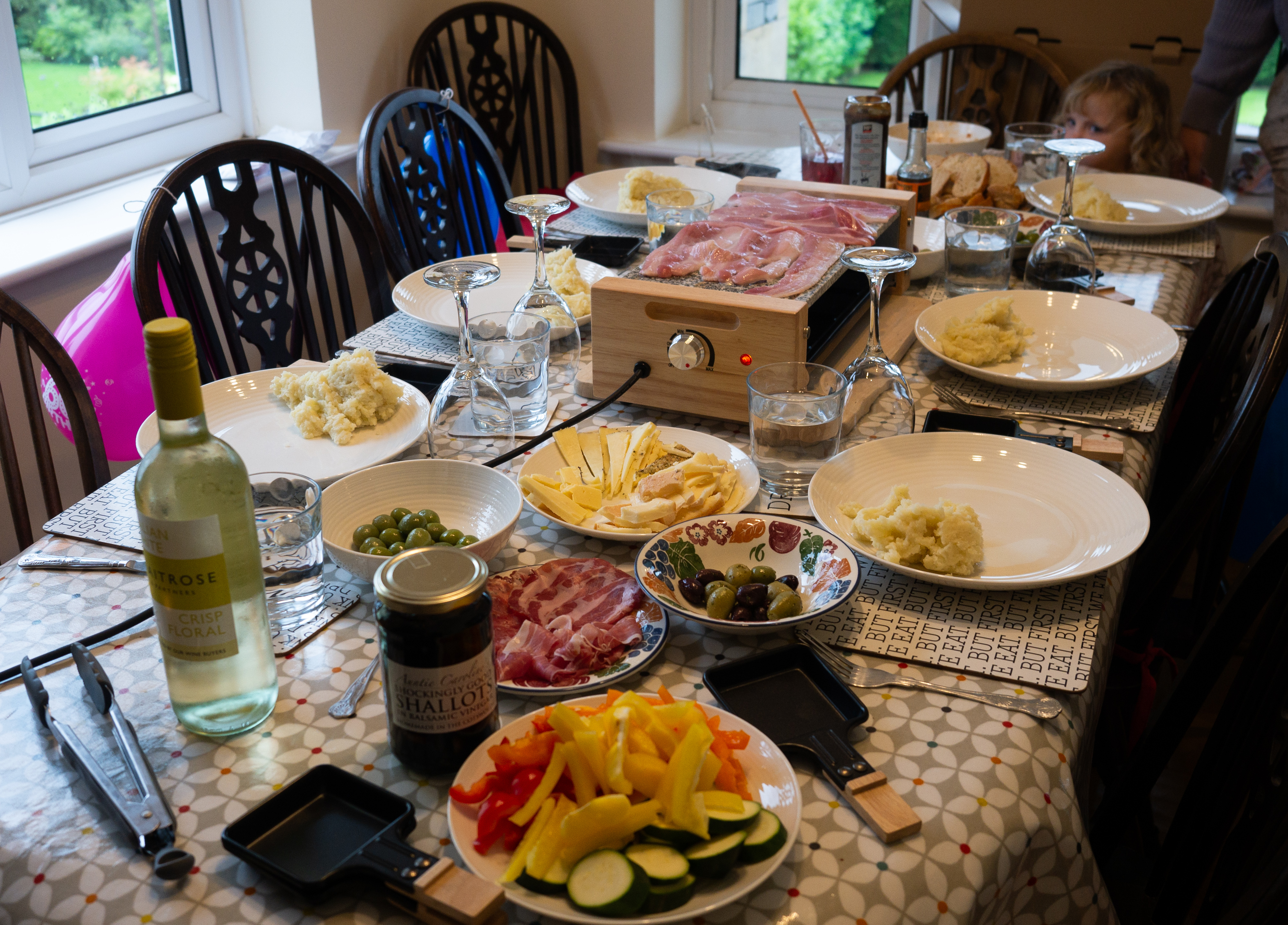
We had a selection of sliced cured meats, olives, vegetables, pickles, Gloucester Old Spot bacon, and the obligatory cheese (raclette, an English Emmental-equivalent, and a toasted hop-encrusted variety). Everything you need can be found at the motorway services. It sounds bizarre, but Gloucester services has an incredible farmshop which, although expensive, carries almost every obscure food you could want.
Clotted Cream (and Arteries)
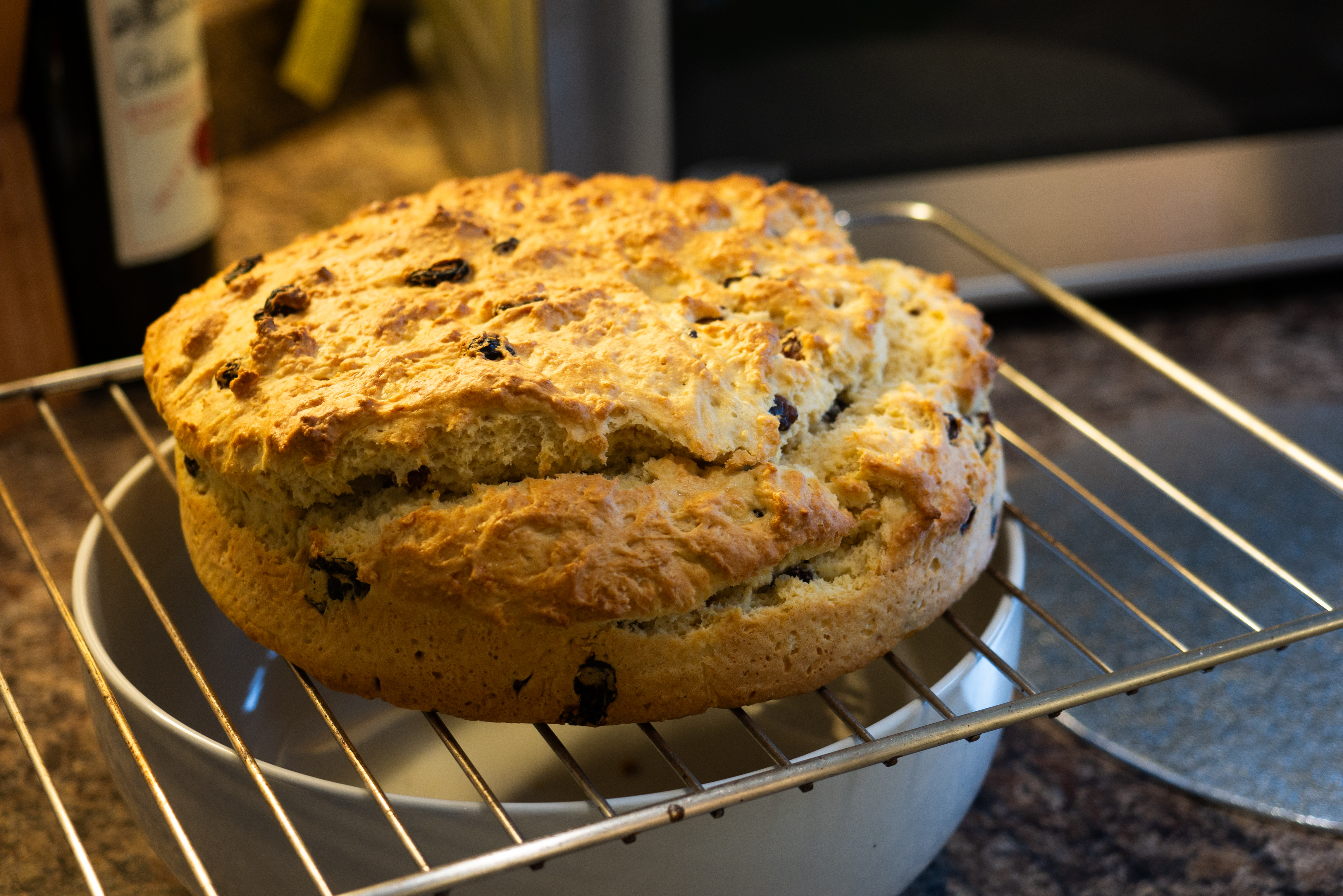
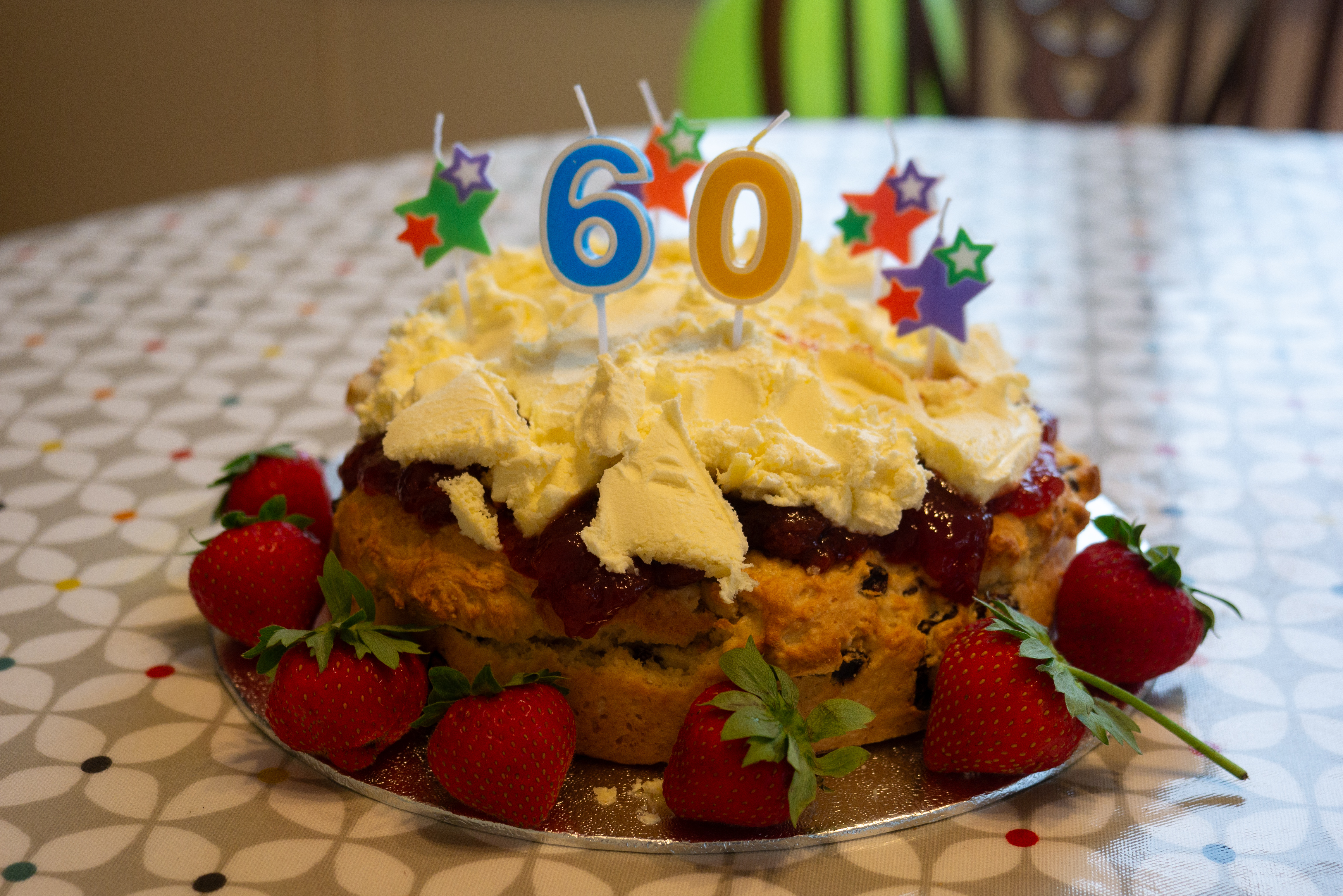
We set out to make a giant scone in lieu of a birthday cake this weekend broadly following a recipe from Ocado. I was skeptical but it ended up working rather well. It would have benefitted from another five minutes in the oven but there was a decent rise on it and it was an impressive size.
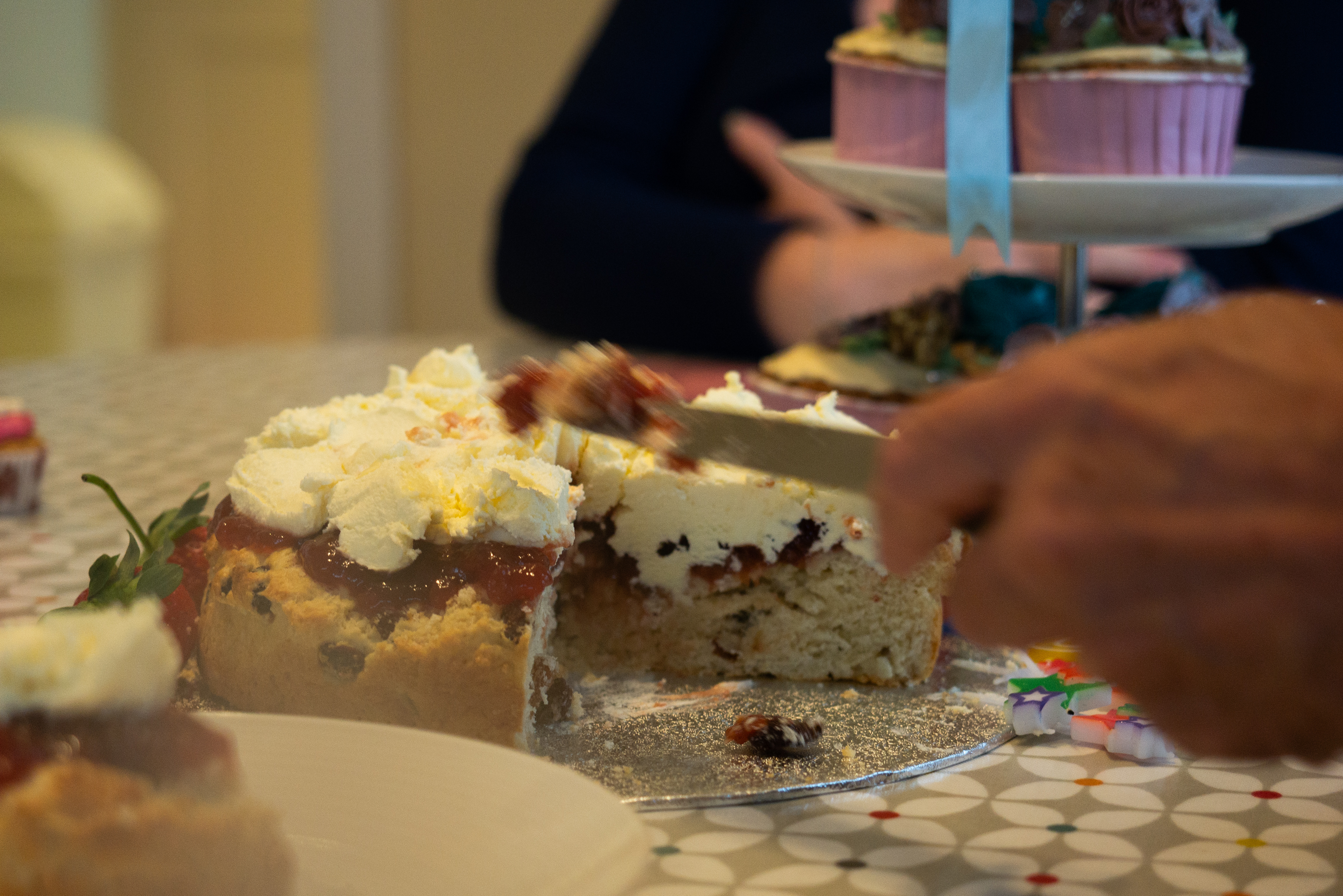
What do you serve over the world’s biggest fruit scone? Jam and clotted cream, of course! (Jam first, because we’re not monsters)
I found myself with three leftover egg yolks (the whites having made their way into a variety of gin and negroni-esque sours), a tub of clotted cream, and in need of custard. It’s tricky to find a decent recipe for custard made with clotted cream despite it featuring heavily in seasonal supermarket items around Christmas. That could be for a number of reasons. It is more expensive than double cream on average, and its role is first and foremost one of texture. Melting it makes the texture null and void.
After a few false starts, I found a recipe nested within a larger recipe on Rodda’s website, which is one of the primary and probably best known producers of clotted cream in the county.
Clotted cream custard (Borrowed from the Rodda’s website)
- 450ml milk
- 113g Rodda’s Cornish clotted cream or ½ 227g pot
- 3 tbsp caster sugar
- 2 tbsp cornflour
- 2 egg yolks
- 1 tbsp vanilla extract or paste
Method
- Add the milk and Rodda’s clotted cream to a pan over a medium heat and bring to the boil
- Meanwhile in a separate, heatproof bowl, beat the egg yolks, cornflour and sugar together to form a paste
- When the milk and clotted cream has reached simmering, take off the heat and slowly pour in a steady stream onto the eggs, sugar and cornflour mix, whisking constantly to avoid the eggs scrambling.
- Once combined, pour the mix back into the saucepan and put back on the heat. (if you have any lumps you can pour through a sieve back into the pan).
- Heat the custard mix until very thick, stirring constantly with a rubber spatula to work out any lumps. This should take 3-4 minutes.
- Once ready take off the heat and spoon into a bowl. Place a piece of clingfilm directly on the custards surface to avoid a skin forming and leave until cooled.
Being away from my rather large baking inventory, there were some other substiutions and alterations. I used a little more milk and clotted cream, and replaced the cornflour with self raising flour. Yes, I know they are not the same and that plain flour would have been a more suitable replacement, but needs must. I also chucked in an extra egg yolk because it was there, and upped the amount of sugar and flour slightly. The result is an excellent, smooth custard which isn’t overwhelmingly vanilla-y. Whether it’s better than the stuff made from double cream, I can’t really say without a side by side comparison, but it’s the only custard I could have made.
The Drink of Drinks
The subtitle might be a little overreaching, but I found myself in need of a Negroni recipe without Campari. Blasphemy, you might say, but Negroni riffs are all the rage and other amaros (potable bitters) can be substituted to make subtly (or drastically) different drinks. I started with Bombay Sapphire London dry gin and added Averna Sicilian amaro and Cocci Vermouth di Torino (sweet vermouth). For a bit of a twist, I turned the traditionally spirit forward drink into a sour with the addition of lemon juice, simple syrup, and egg white. The Black Negroni (made with Averna) can be quite potent and an acquired taste, whereas I found the sour version had a better balance without losing the key flavours. Complex and delicious. Sarah coined this one “the Sicilian Method” after an Inspector Montalbano story (a famous Sicilian detective series).
The Sicilian Method
- 1 oz (25 mL) Averna Sicilian amaro
- 1 oz (25 mL) sweet vermouth (I used Cocci Vermouth di Torino)
- 1 oz (25 mL) gin
- 1 oz (25 mL) lemon juice
- 1 tbsp (15 mL) simple syrup
- 1/2 egg white (can be left out for a vegan version, but would be best substituted with aquafaba or cocktail foamer as the end result will be a little flat and lacking in texture otherwise)
- Dash of Angostura bitters
Dry shake the ingredients (shaker with no ice) to create plenty of foam for volume. Then fill the shaker with ice and shake until well chilled. Serve and top with a dash of Angostura bitters to cut the scent of the egg white.
Landscape Sampler
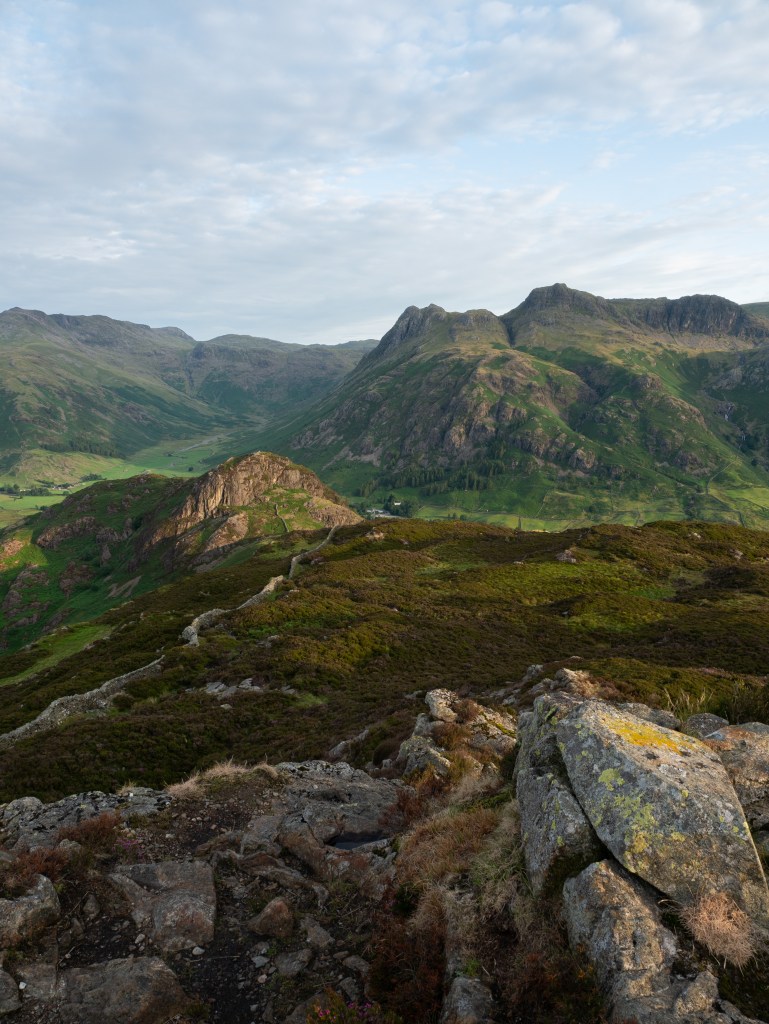
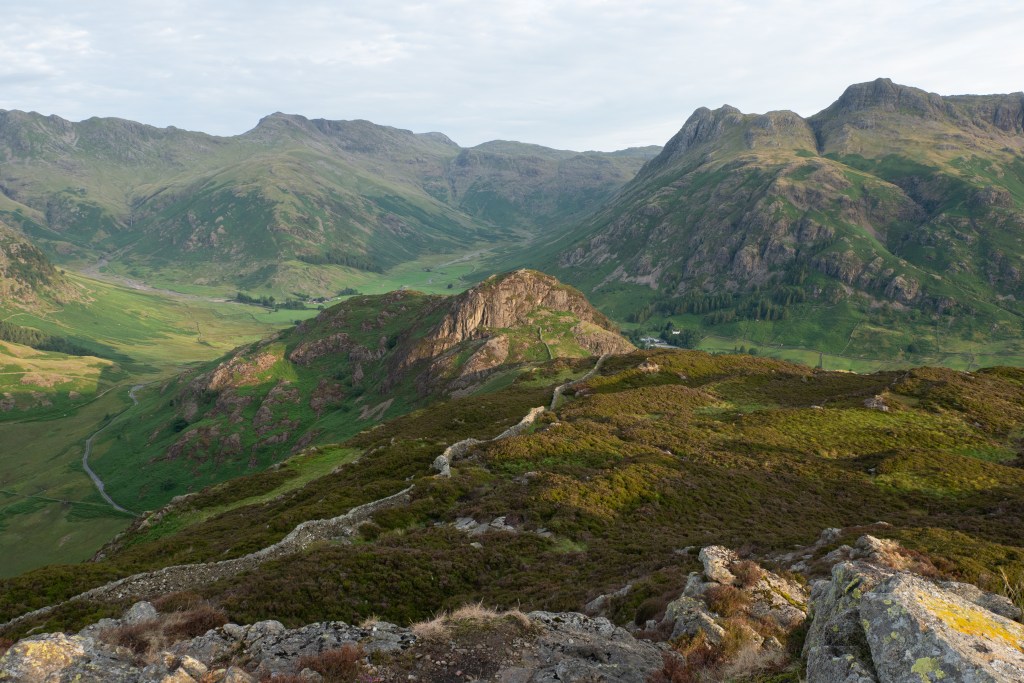
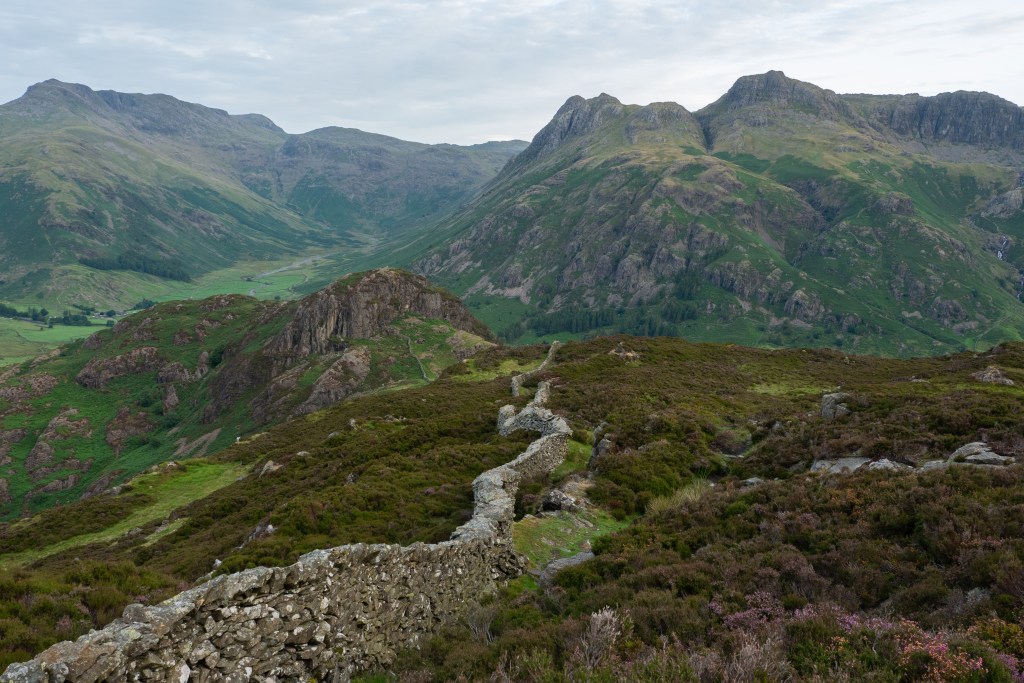
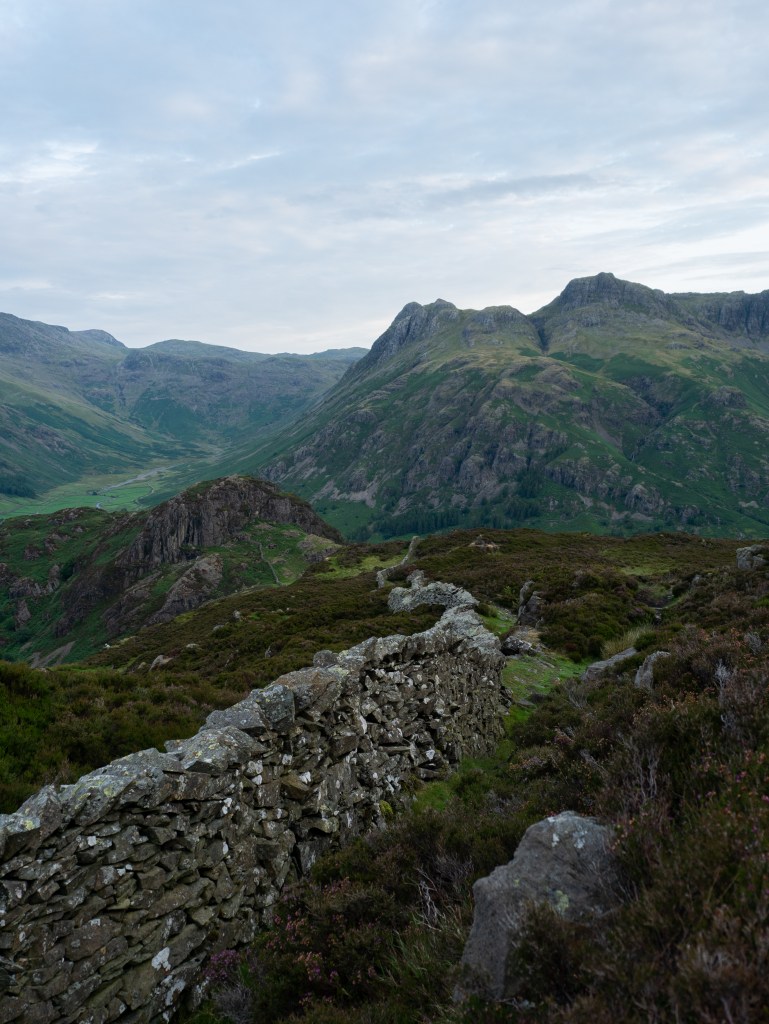
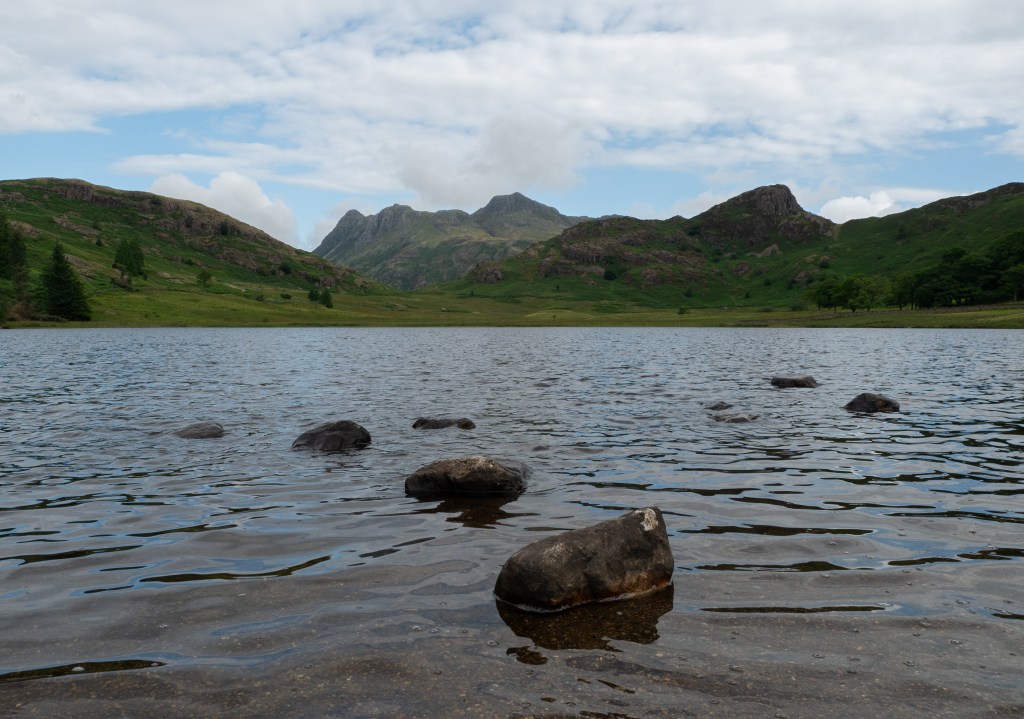
During our trip I had a little excursion with my father-in-law up to take some photos around Blea Tarn, Side Pike, and Great Langdale valley. I have never explored landscape photography in any serious way, and he is rather adept, so I spent the time learning a whole new set of rules while trekking up some rather steep trails. The advantage of having Micro Four Thirds cameras quickly becomes apparent when you have to lug a camera and lenses up the side of a mountain. I had borrowed his Olympus 12-100 f/4 Pro lens and was using my Panasonic GX7. Despite being released a decade ago, the GX7 still takes excellent shots and I’d be hard pressed to recommend a digital SLR over it for ease of use and transportation.
Even if I didn’t get the ultimate portfolio shot, it was a chance to spend some more time immersed in spectacular surroundings. It did necessitate getting up and leaving the house at half four in the morning. Landscape photography is definitely a pursuit for the winter months.



More Food
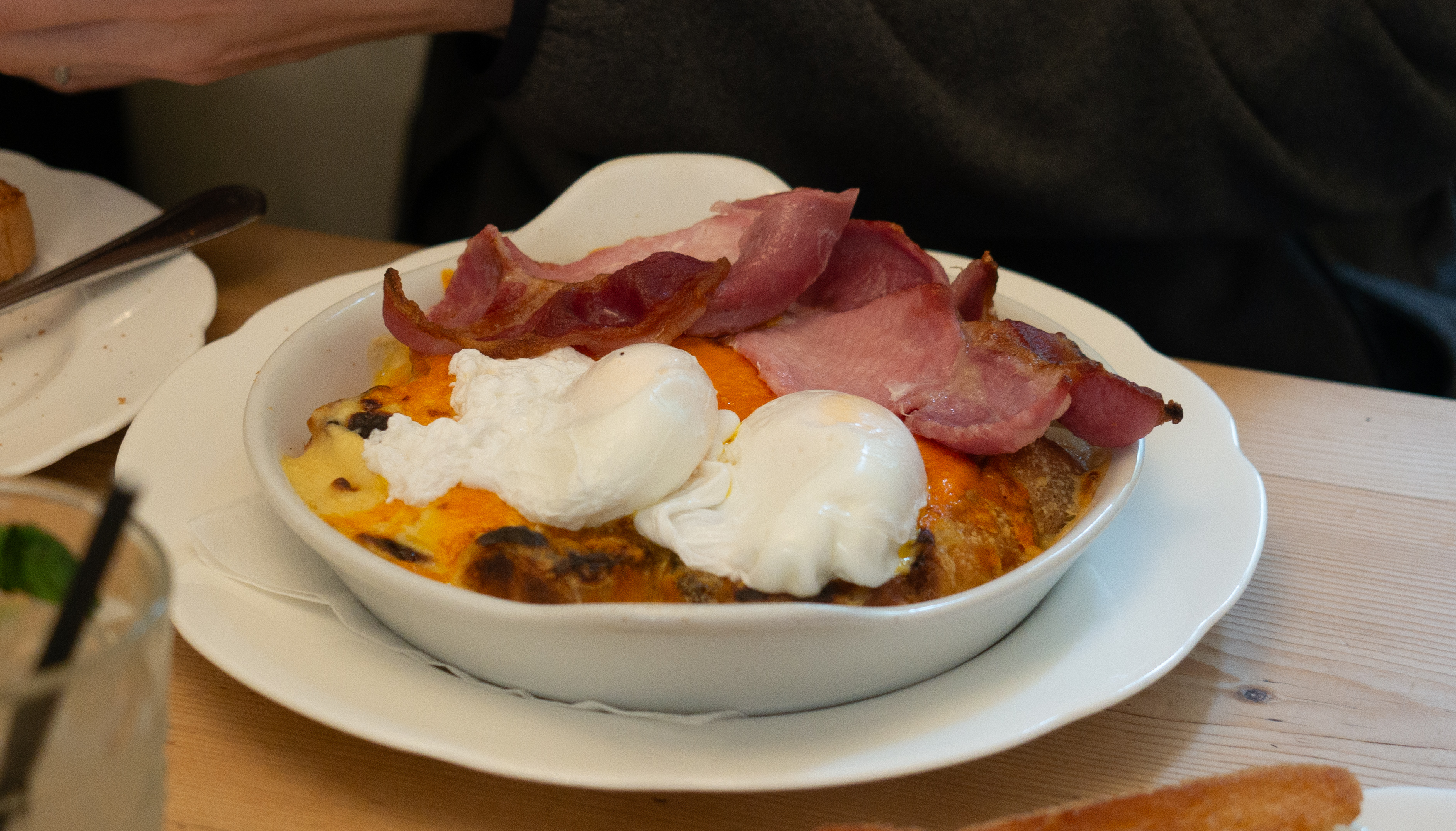
Grasmere has quite the culinary culture with plenty of cafés and restaurants. Among them is Baldry’s (which I like to think was set up as part of a cunning plan of one of Baldrick’s descendants), a traditional tea room, which also serves breakfast and lunch (and perhaps even brunch?). They serve an excellent full English breakfast and rarebit. Their tea selection is virtually unrivalled, too.
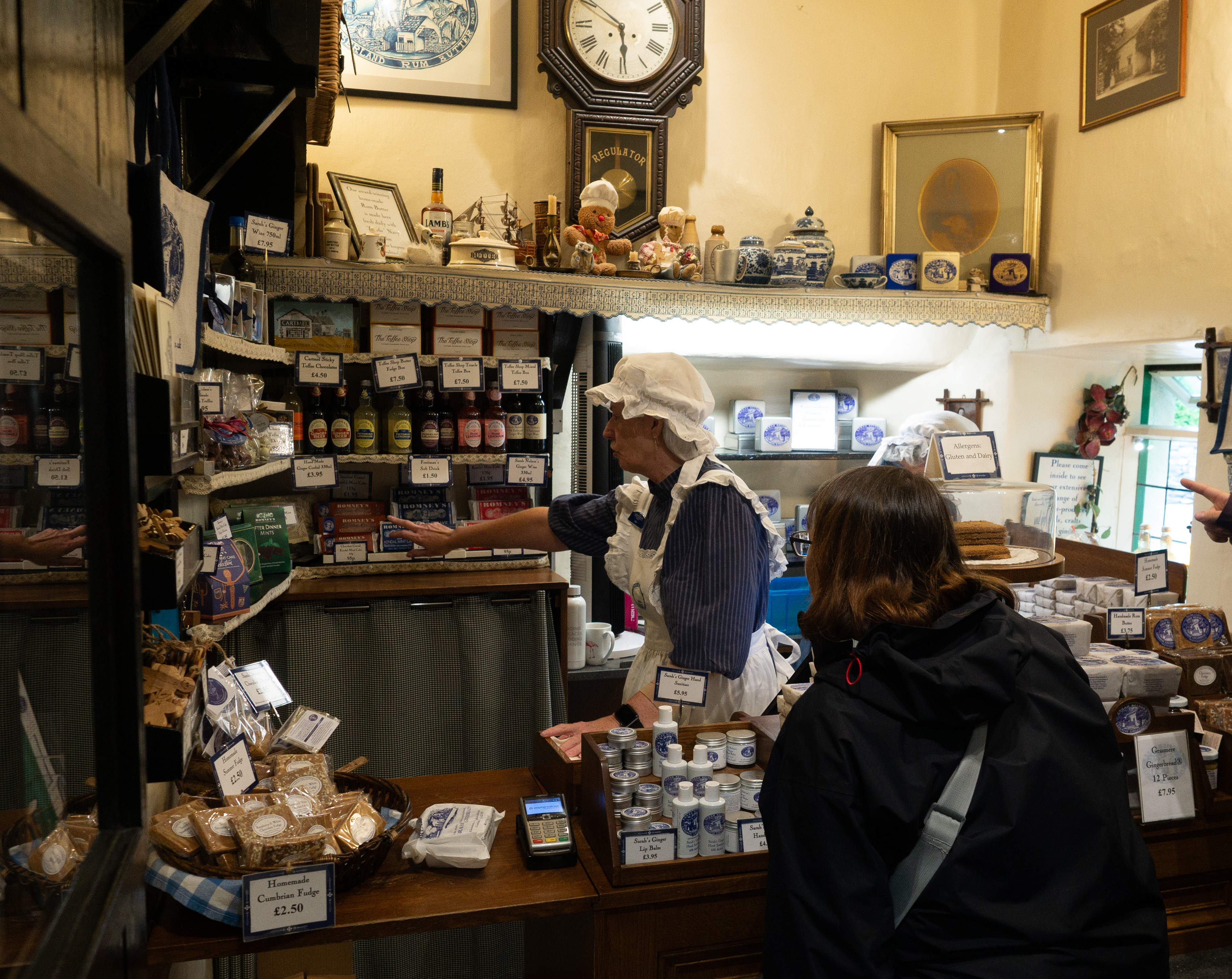
There is a strong tradition of gingerbread making in Grasmere dating back several centuries, although it is a more ancient form of the confection which is harder and spicier. More akin to something that would be taken on long sea voyages but well worth trying if you’re in the Lakes. Word of wisdom though, get there early. As the day goes on the queues grow longer and the shop is miniscule so they can only fit a few people in at a time.
 Ordinary Decent Gamer
Leave a comment