
More like Bank to Box to Bean to Cup.
Scratch that. Birth to Business to Bank to Box to Bean to Cup, if we’re being accurate about it. Yes, this is my first foray into the world of Bean to Cup coffee machines after exploring Aeropress, a manual espresso machine (Saeco Poemia), the V60, mokka, caffetiere, and Nespresso. I’ve been toying with the idea of getting a proper machine and a separate burr grinder for some time. Time, though, is a sticking point. While grinding freshly roasted beans, tamping them into a portafilter, and pulling the perfect shot would be ideal, those things take time. For the weekend that’s fine. And for me. But what of mere mortals? Having the only access to fresh coffee require a Masters degree would not go down well with family.
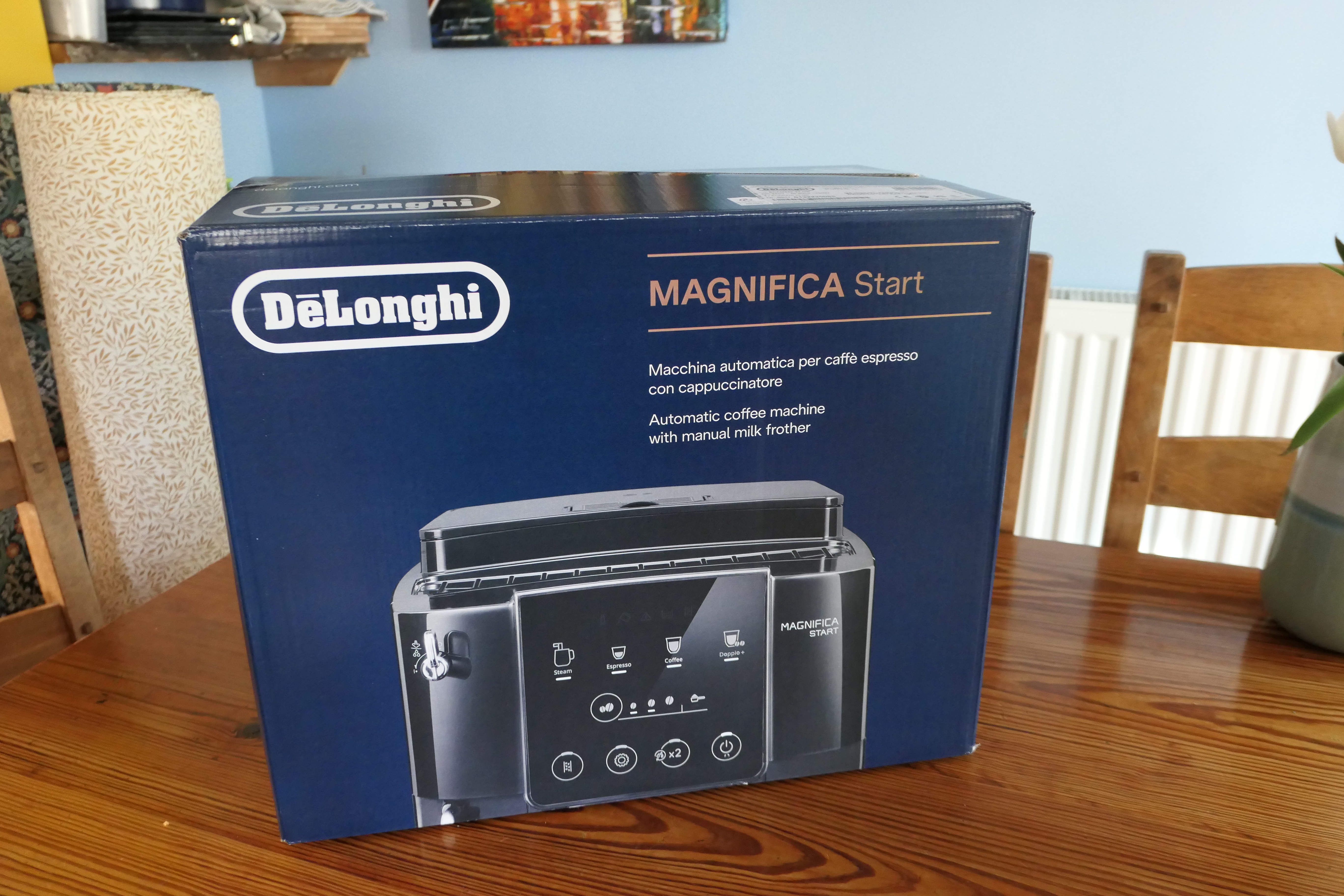
There must be another way. A way to eschew excessive waste (and annoyingly frequent emptying requirements) of coffee pod machines. A way to make better coffee, but not the best as life is ultimately a series of compromises. There is, and it does a decent job of it. Bean to Cup machines promise exactly that. Fill up the water reservoir with fresh water, the hopper with beans, and hit go. It can never be as precise and tailored as a proper home barista setup, but it offers decent coffee with minimal effort.
Can you make it great, though? James Hoffmann employs a scientific approach to coffee, and he has a whole video on dialing in Bean to Cup machines to get an optimal (pointedly not perfect) espresso. There are several tricks in video including a way of measuring the amount of coffee being ground without the machine telling you. Start dispensing a coffee and just after the grinder finishes, pull the plug/cut the power. When you turn the machine on again it will go through the process of cleaning and ejecting the coffee it assumes is used. The dry ground coffee can then be weighed, and the amount of water in the shot adjusted to find the optimal brewing ratio. You can get down to proper nerdy detail with these machines which is quite fun.
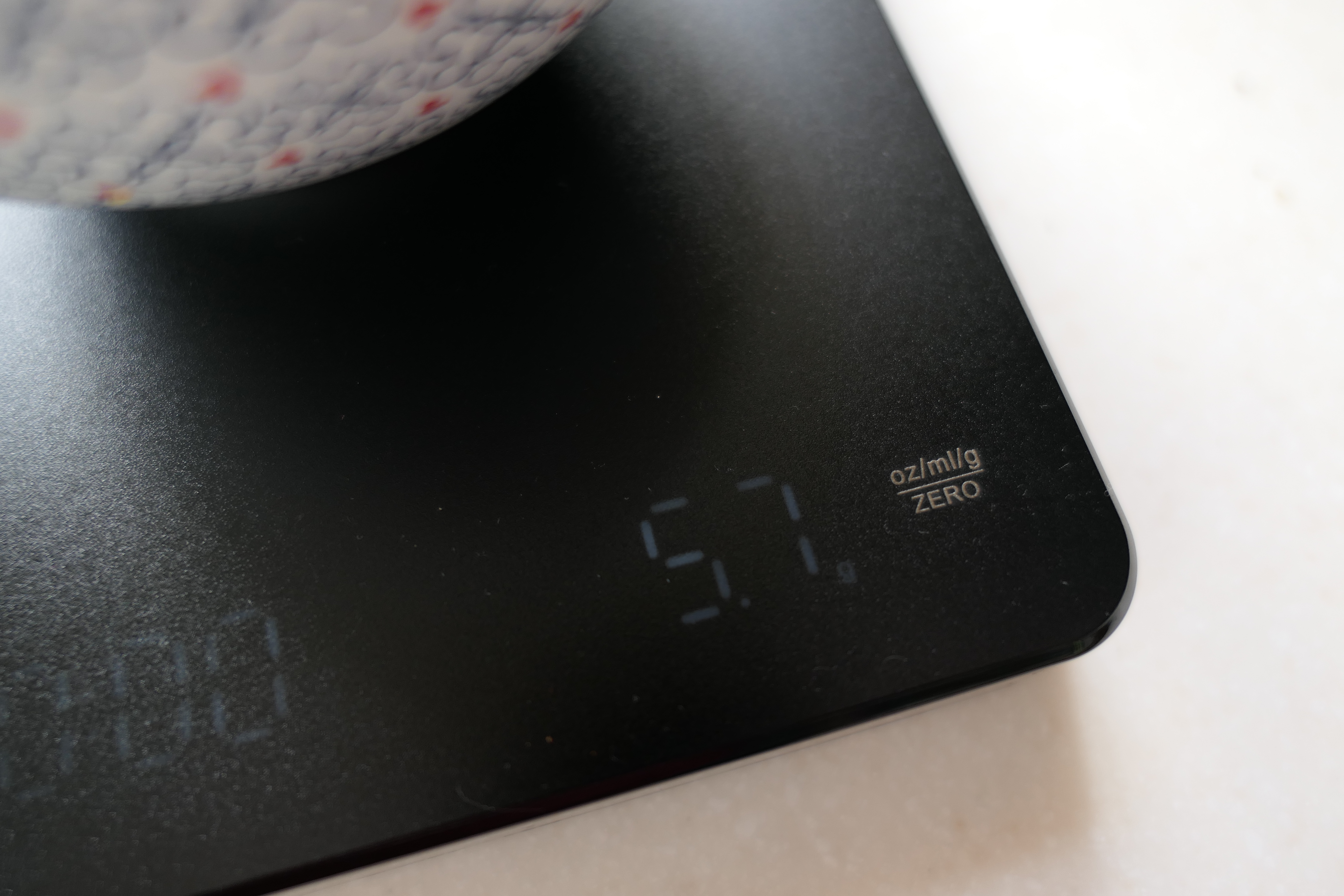

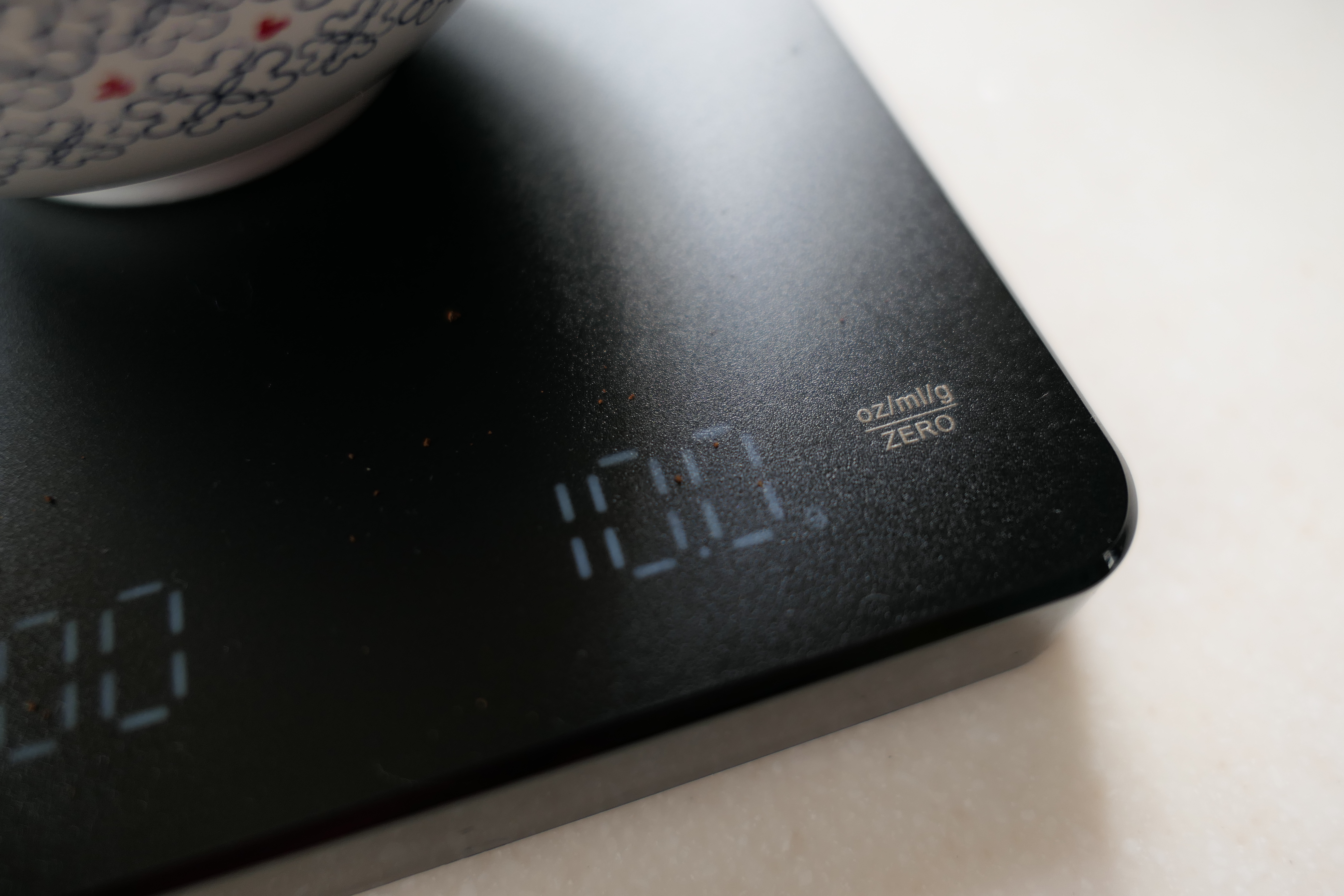

The type of coffee is crucial though. My machine has a bypass for allowing you to use ground coffee, but it doesn’t work very well. It’s not what the machine is designed to do so it’s hard to be overly harsh about the function. Bean to Cup machines are said to work better with darker roasts, and the grinders struggle with light to medium roasts. The first bag of coffee I picked up was Löfbergs Brazil single origin medium-dark roast. It was the best looking of the limited bunch in Tesco, and I have subsequently ordered some specialty coffee from Pact (who I previously bought ground coffee for my Aeropress from).
So far, so good. We’re getting good results with espresso and I’m working on my milk steaming technique for flat whites. It also works well for an espresso martini, as we found out this evening. The dual espresso function doesn’t double up the amount of ground coffee but it will produce two lower strength cups which are decent for most situations.


Continuing along the drink front, last weekend I made a Japanese-inspired twist on a Negroni. Ukiyo sakura-infused gin, Negroni, and umeshu (plum wine). A slightly sweeter but well balanced and delicious variant. I didn’t have the gin recommended in NIcholas Coldicott’s “Tokyo Cocktails” but it worked well with the cherry blossom gin, and looked great served in Okinawan glass.

Easter Baking
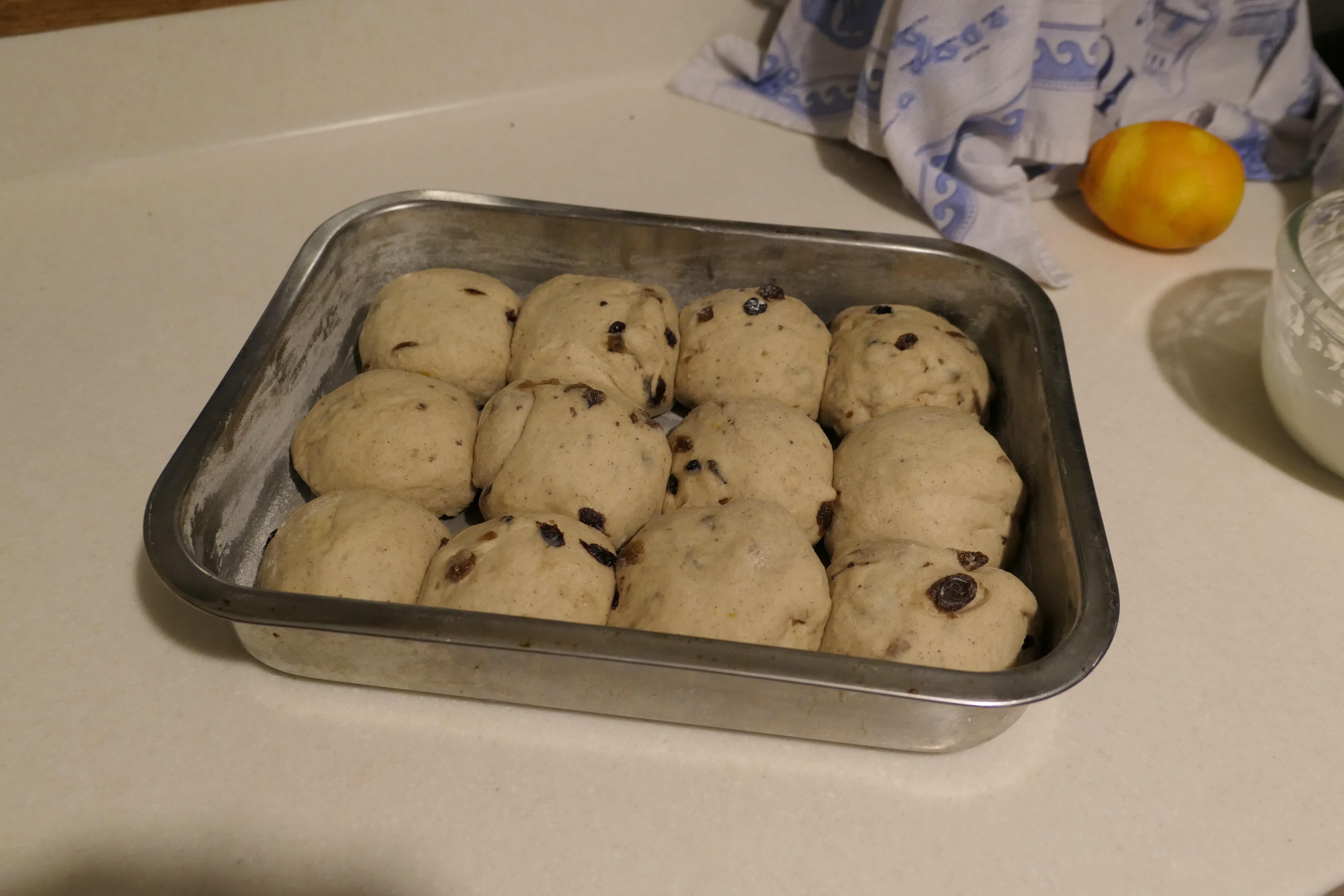
Can you really do Easter without hot cross buns? Steeped in Christian symbology, these yeast risen buns may date all the way back to the 14th century thanks to monk Thomas Rocliffe. Since the 19th century the buns have been eaten on Good Friday to commemorate the end of Lent. Religiosity aside, they’re pretty good toasted and spread with butter. They’re really not that hard to make either. I followed a recipe from recipetineats.
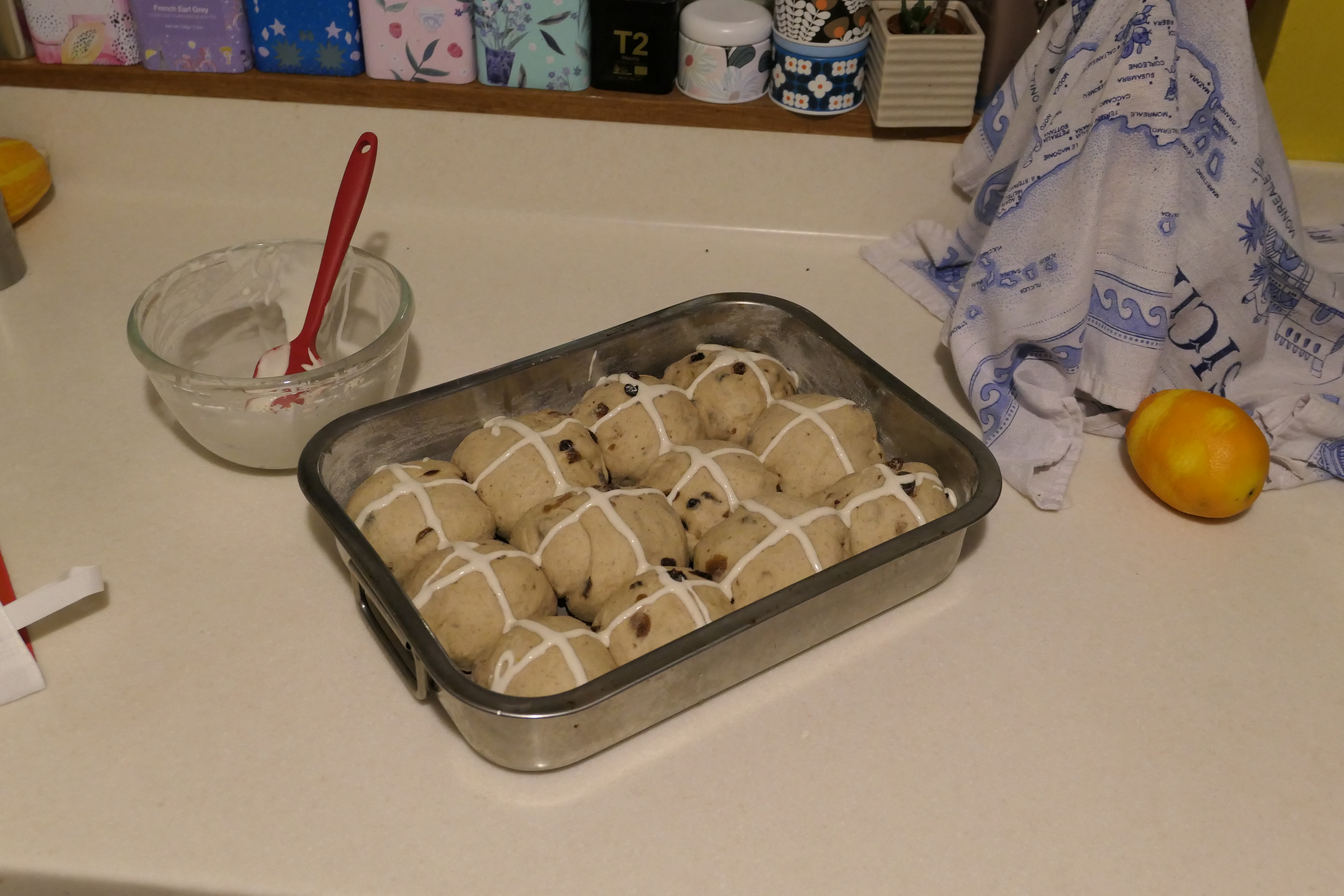
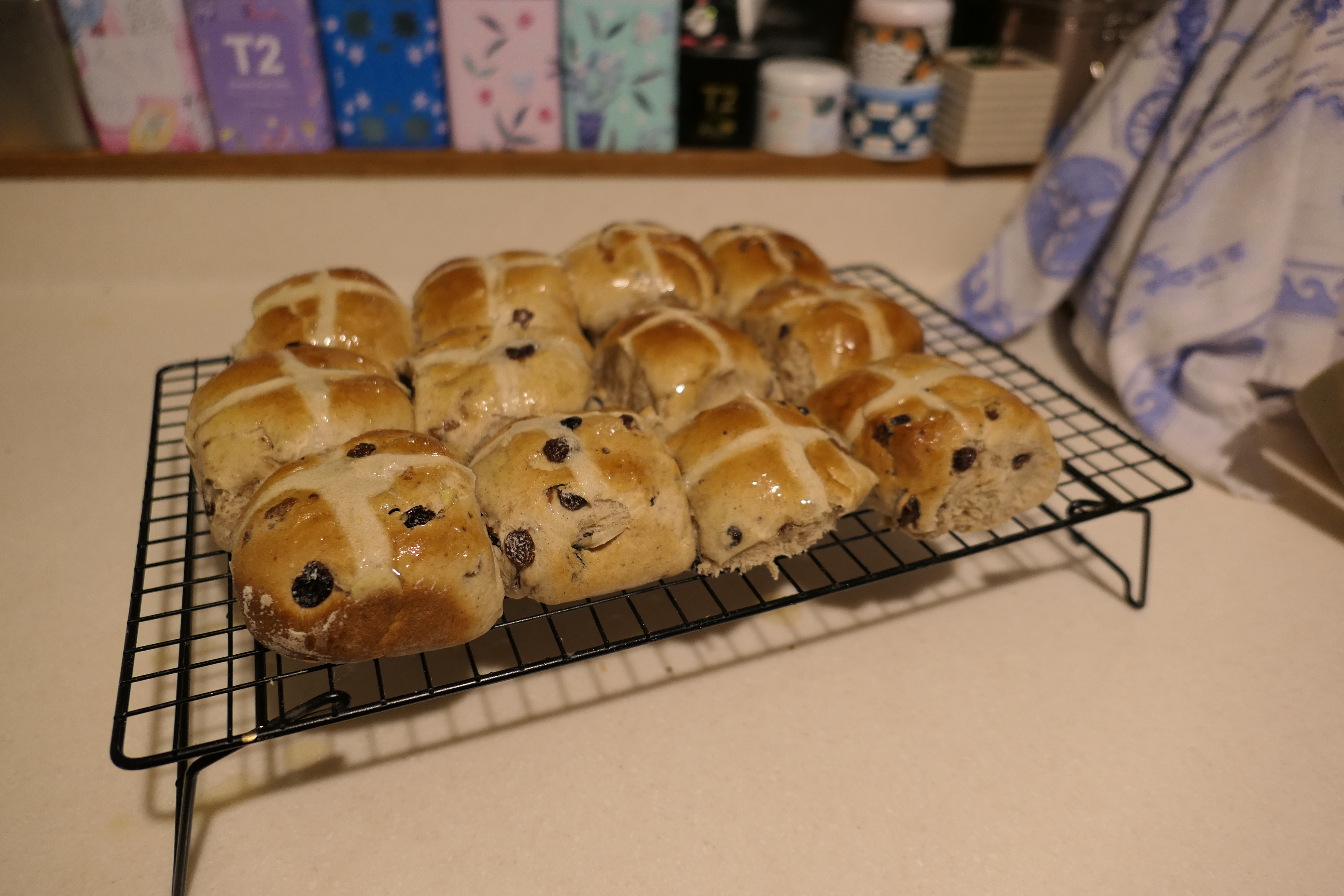
Did swearing make everything better?
Not really. Unfortunately the VanMoof X3 saga continues. I am two screws short of having the whole bike disassembled, and those particular screws have screwed me. Royally. The head has now been stripped and I have to get the screw out somehow or the bike isn’t going anywhere. I’ve tried WD40. I’ve tried heating a screwdriver to melt threadlocking glue. I’ve tried the rubber band trick (it never works). Screw extractor? Nope, didn’t work either. All that is left is to carefully drill them out, hopefully avoiding damage to the frame. Wish me luck.
 Ordinary Decent Gamer
Leave a comment