
The plucky little West German is at it again. I have un-earthed my compact 35mm camera in recent weeks and been re-learning my way around film.
My second outing with my Minox 35 GT was more successful than the first. I thought I’d try out a Kodak colour film this time with 24 exposures instead of 36. I ended up getting the focus closer on most of them, although it’s still somewhat of a challenge when you are used to a fully automated digital system which is much more forgiving.
MyPhoto in Plymouth processes 35mm film in store and (for an extra fee) I managed to get the roll developed and scanned in about an hour. It’s not the cheapest hobby in the world, but the ability to see the results in an hour felt considerably better than the week wait for black and white. The same company also run filmprocessing.co.uk so the services are available all over the UK.
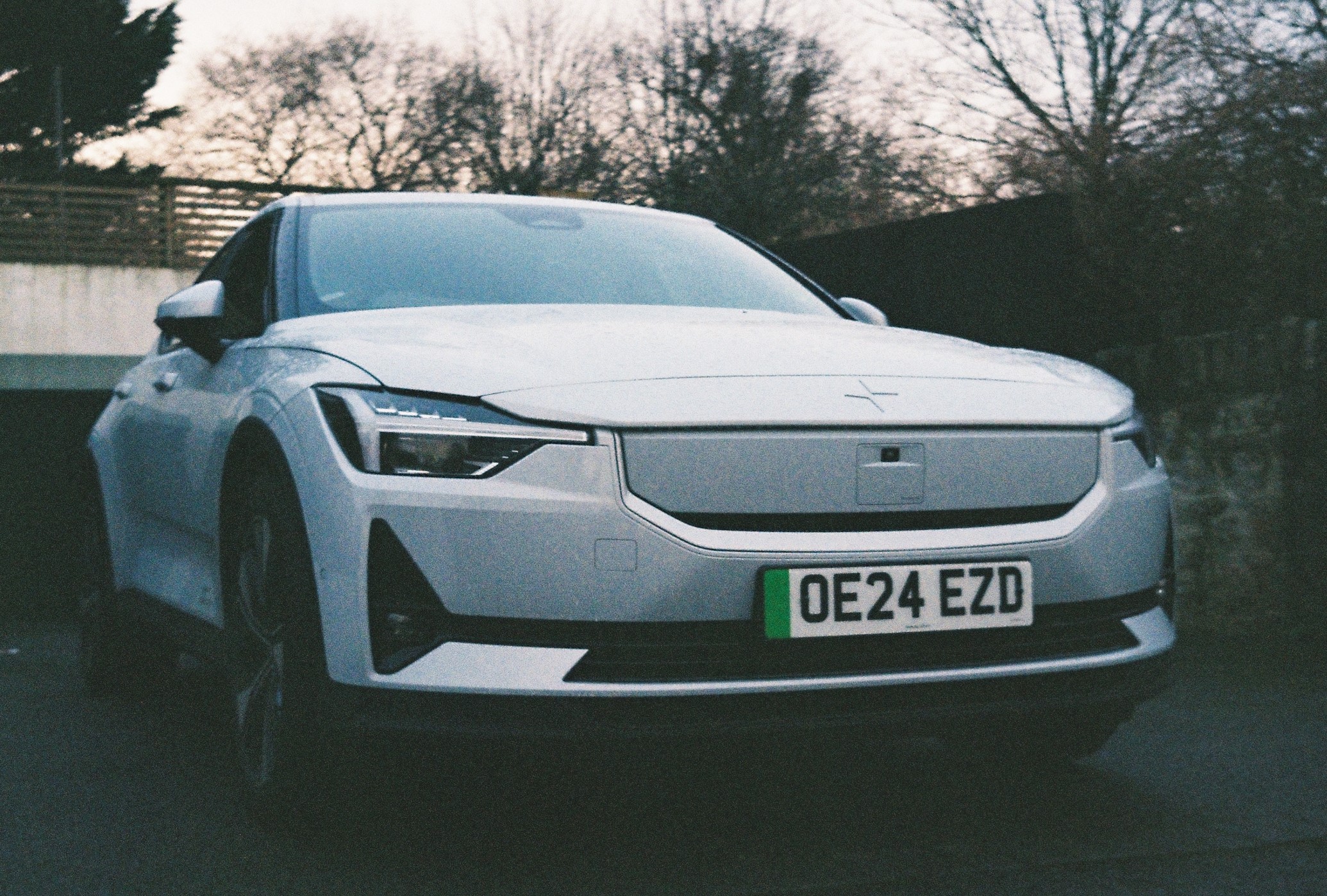


They’re far from perfect, but the film brings a warmth and softness which is harder to capture on digital. Having said that, I took my Panasonic GX7 out for a walk around Cotehele, a National Trust property just over the Cornish border, and it brought into stark contrast just how far things have come. Fast auto focus, image stablisation, and the ability to adjust every aspect of exposure at the flick of a switch. Has the Minox resurrection been a wasted experiment?
Not at all. It has been a lot of fun, and has encouraged me to think more about the exposure triangle and zone focusing. There are a lot of elements I had forgotten about that I am re-learning thanks to film. I admit, somewhat shamefully, that I am a full auto shooter most of the time. I tend to use manual modes more for video than photos, although for some applications (post mortem photography) I use aperture priority and f8 as a default given the large depth of field.

If you’re not too familiar with camera terms, exposure refers to the amount of light hitting the film (or sensor, in a digital camera). This can be modified by adjusting the aperture, how long the shutter is open (shutter speed), and sensitivity of the film or sensor (ISO). With digital cameras the ISO can be changed on the fly, whereas with film you choose the sensitivity for the entire roll. An ISO 100 film will perform admirably in bright sunny conditions, but take that same film indoors on an evening and you will struggle to get adequately exposed shots. The Minox 35 GT is an aperture priority camera. This means it has a built in light meter which the camera uses to adjust the shutter speed accordingly based on the conditions, and the aperture that you set manually. There is some concern that the unavailability of the original battery would lead to some inaccurate metering, but I haven’t really found this an issue.
It’s a fun little camera and would be great for street photography given it’s small size and quiet operation.

Godzilla Minus One
This one slipped by me at the time of release, but it’s safe to say it is a fantastic addition to the Godzilla franchise. Not just a good monster movie, but an all round heart-wrenching emotional rollercoaster. The film follows a disgraced former kamikaze pilot beginning at the end of World War 2 and the immediate aftermath and struggles faced by ordinary people living in Tokyo slums. A story that begins with utter despair clutches at tiny rays of hope, and thankfully has a satisfying conclusion. I don’t want to give too much away as it’s better going into it without knowing the fine details. Think Jaws, but with a giant sea dinosaur. Suffice to say you should go and watch it, but be prepared for some tears. The effects are absolutely fantastic, too.

 Ordinary Decent Gamer
Leave a comment