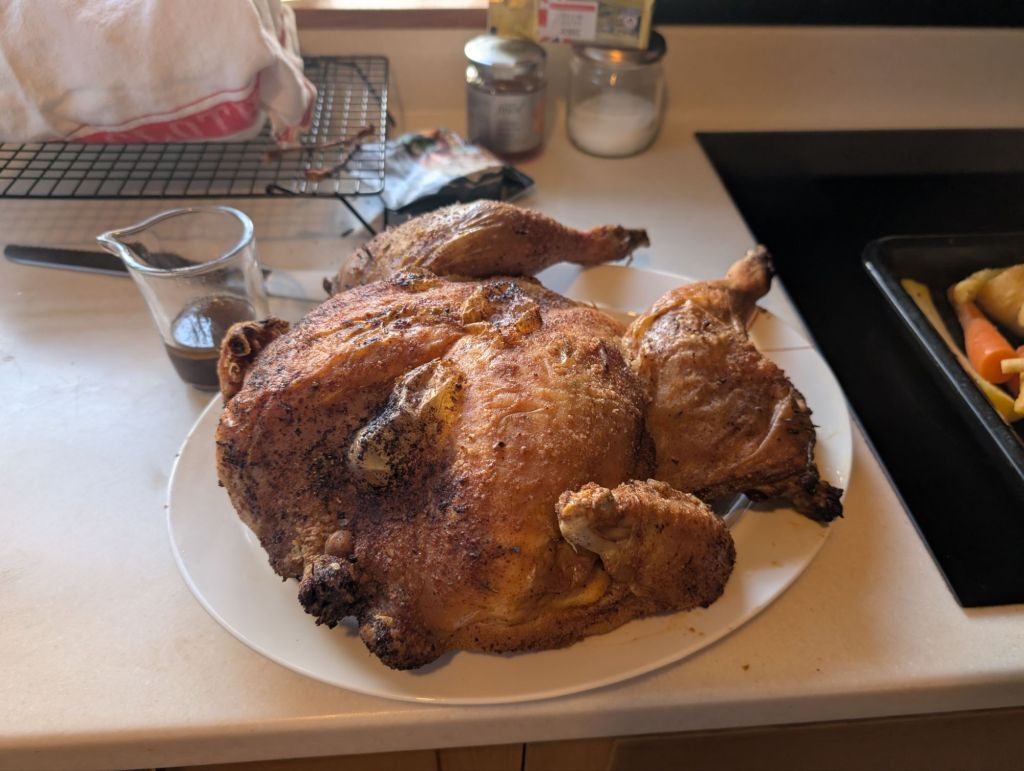
Which day is it? Depends on who you ask…
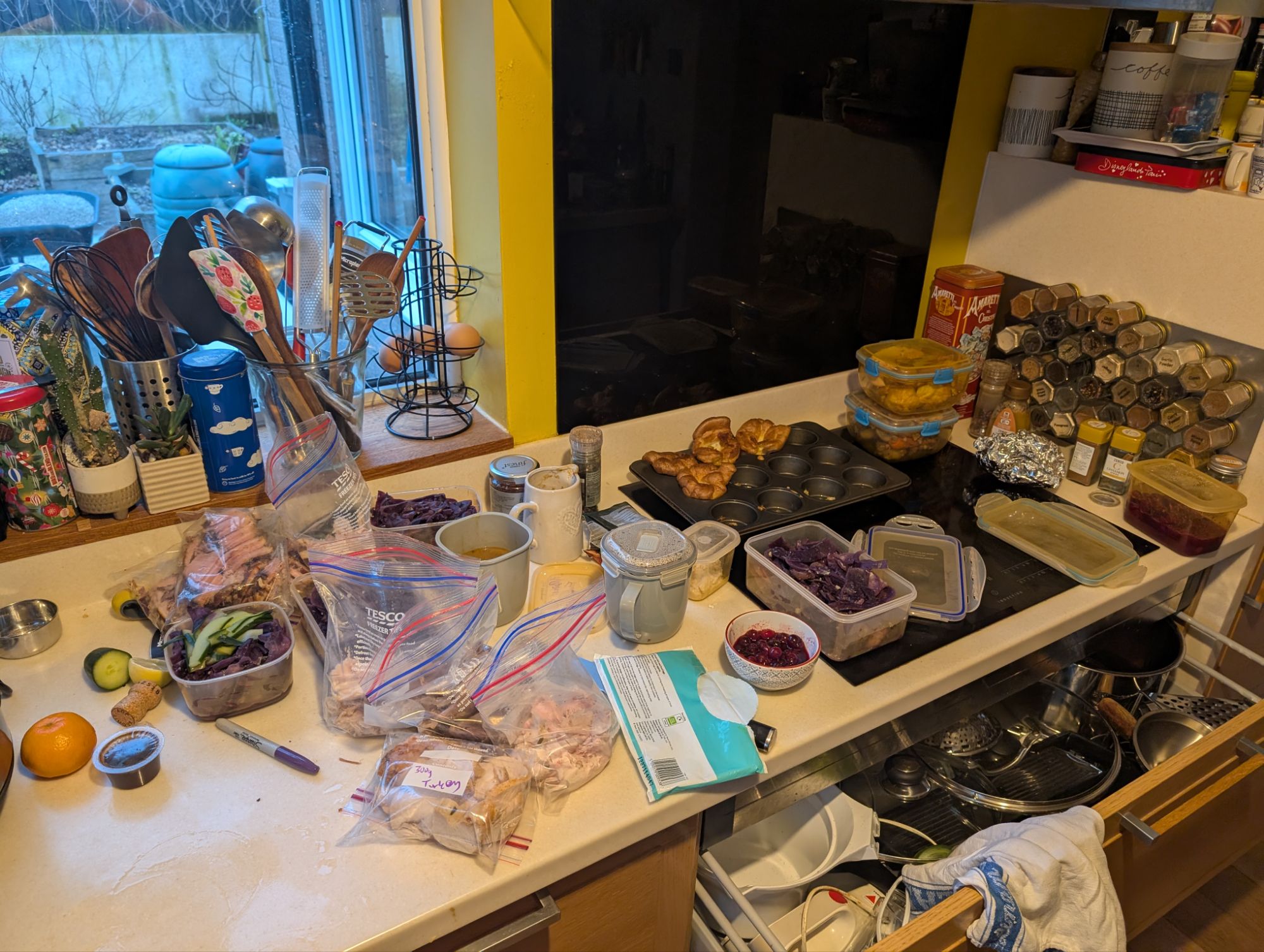
Yes, we have just passed Twixmas and entered 2026. This is a particularly weird time of the year. There is so much build up and excitement leading to Christmas day that the slump following it is almost unavoidable. It is a time for sitting around the house playing games and eating chocolate, and polishing off the fifth attempt to disguise turkey. Personally, I like turkey and have no issue eating it into the New Year, but I know that is a controversial take. Most people handle it like an agent of biological warfare which requires autoclaving at an unbelievable temperature for forty hours to ensure that no enjoyment can be had.
Regular readers will be familiar with my seasonal turkey obsession. Collecting the turkey was an annual tradition in our house, and it’s one I want to keep going for my own family. Every year we would go to granda’s house to pick up the turkey he’d collected from a local farm. This included a mandatory weigh in on the bathroom scales, of course. Having rituals and traditions is important, whether they are deeply rooted in religious belief or created by an individual family. They can be as important as you make them, and give you something to look forward to and plan for. This turkey ritual has morphed over the years, and now we pick up ours from Ben’s farm shop in Yealmpton. We travelled to Perkins Village outside Exeter for a couple of years, but the traffic became unbearable at that time of year so that plan was scrapped.
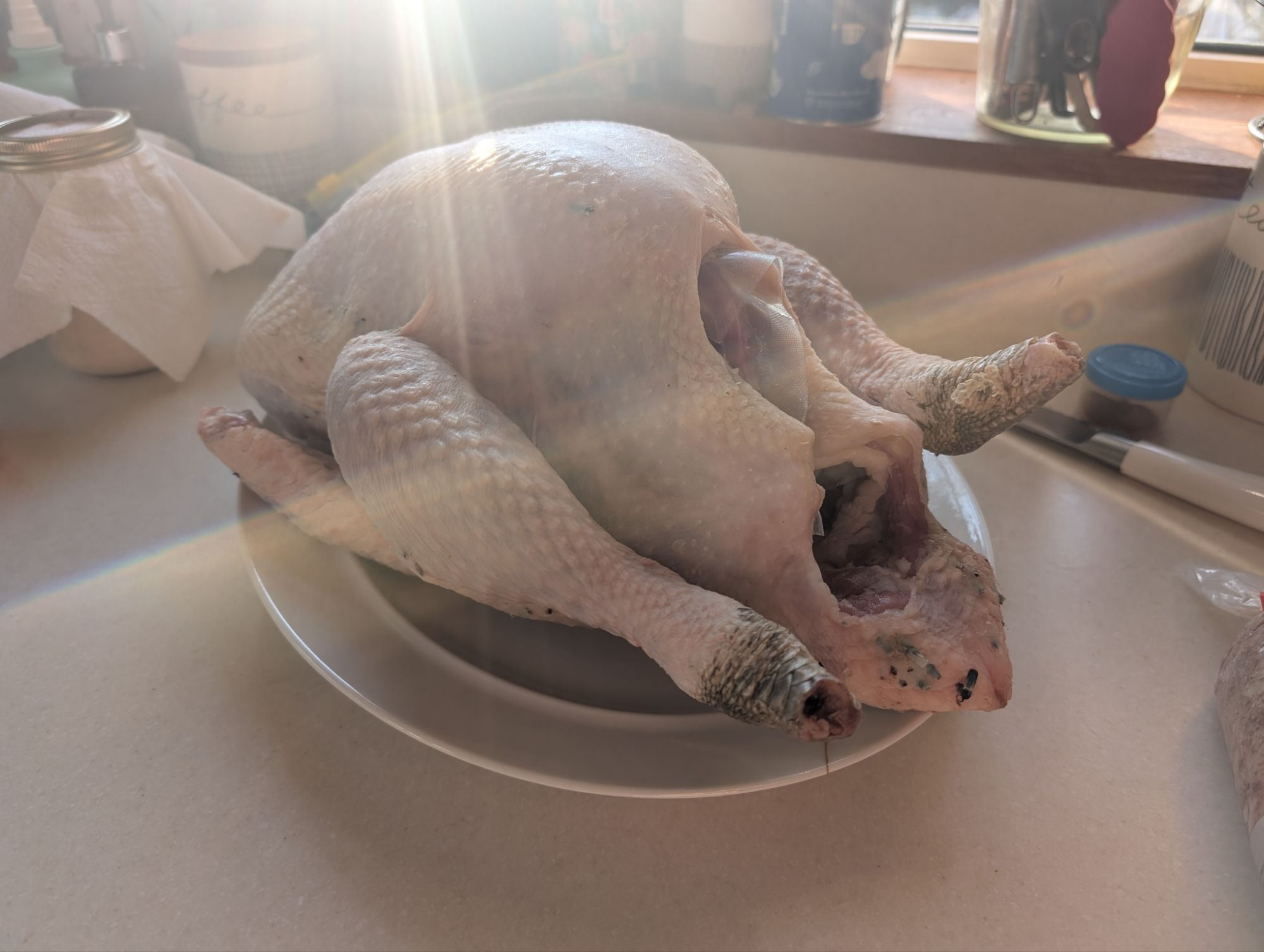
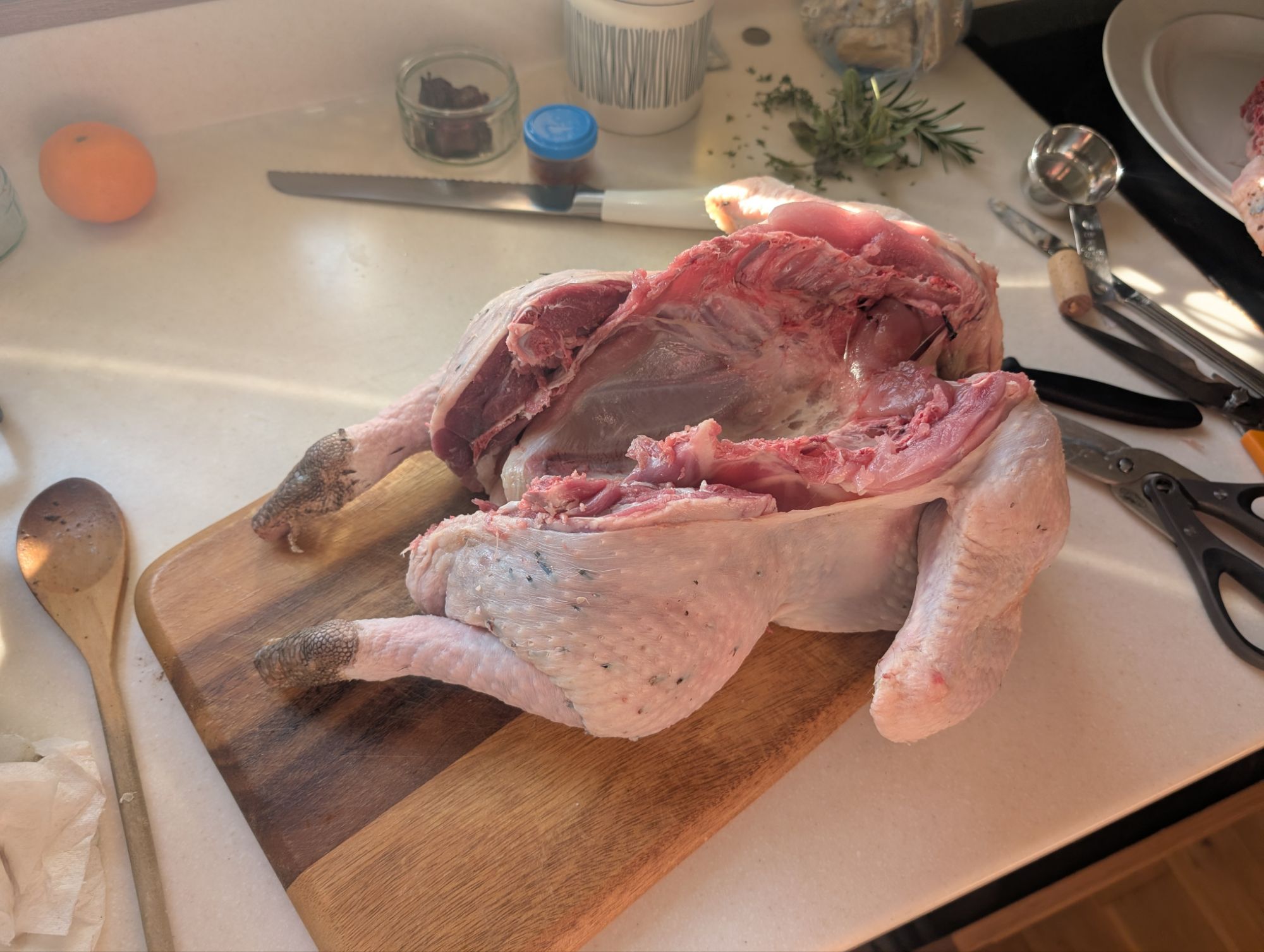
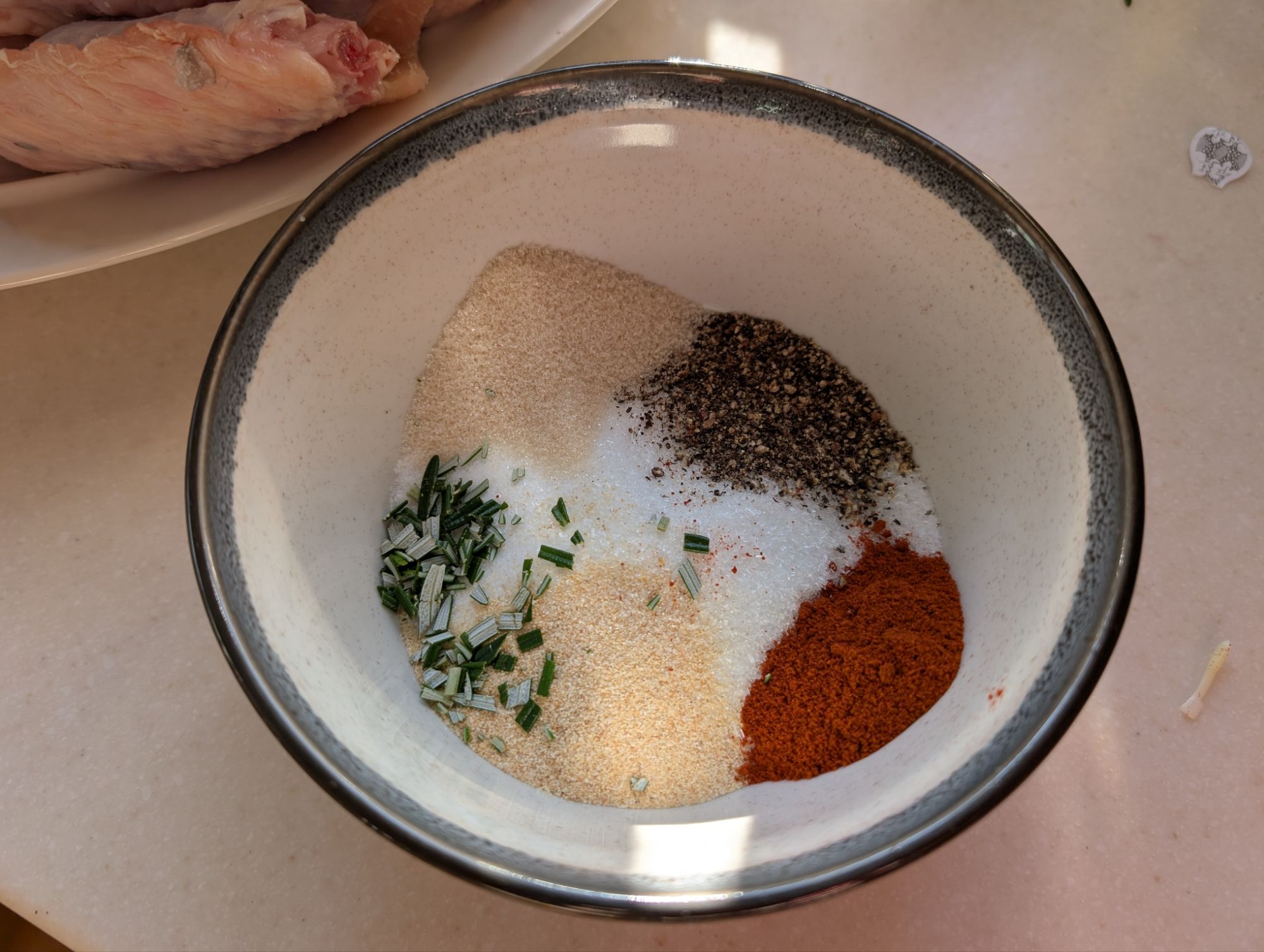
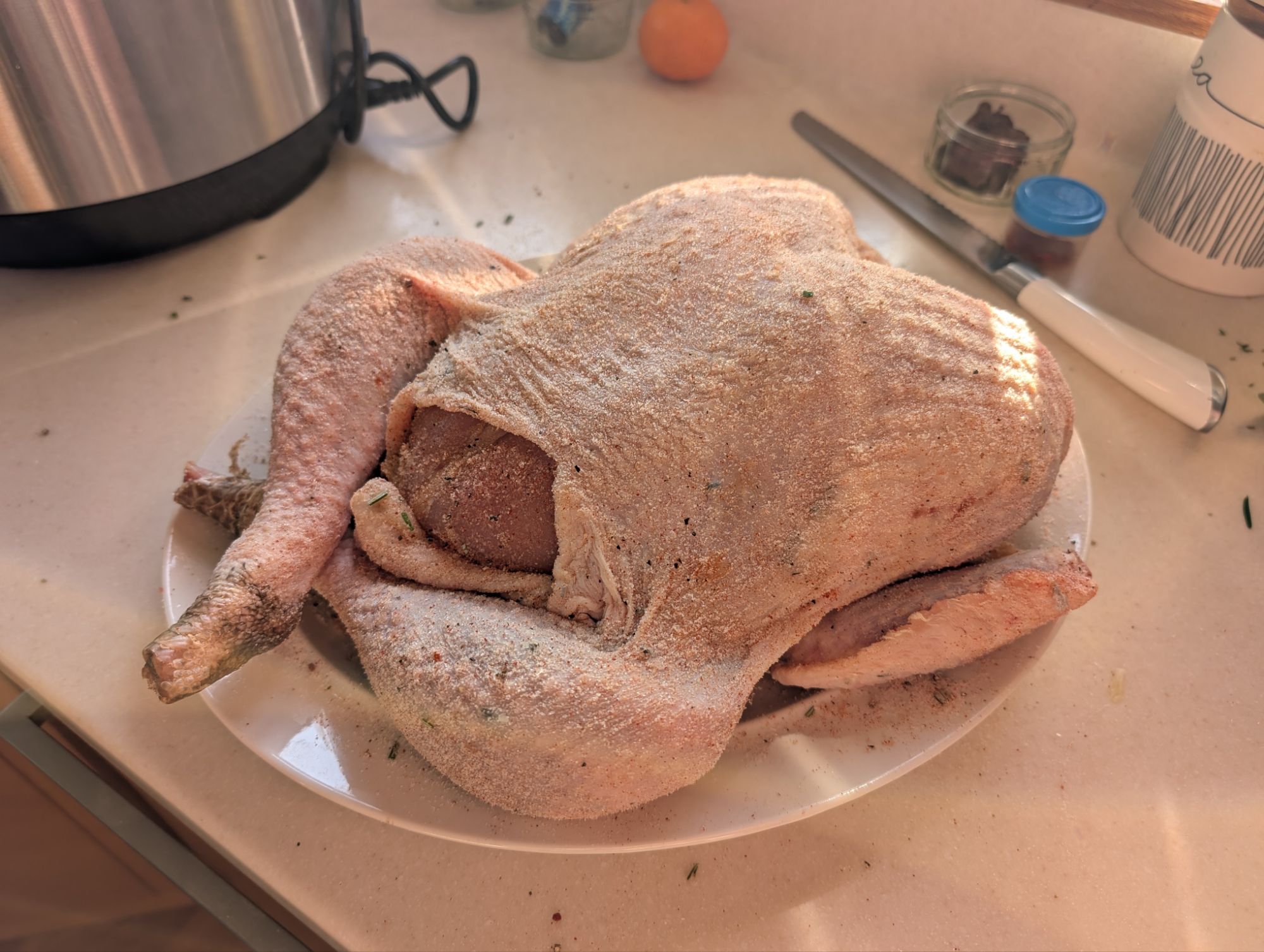
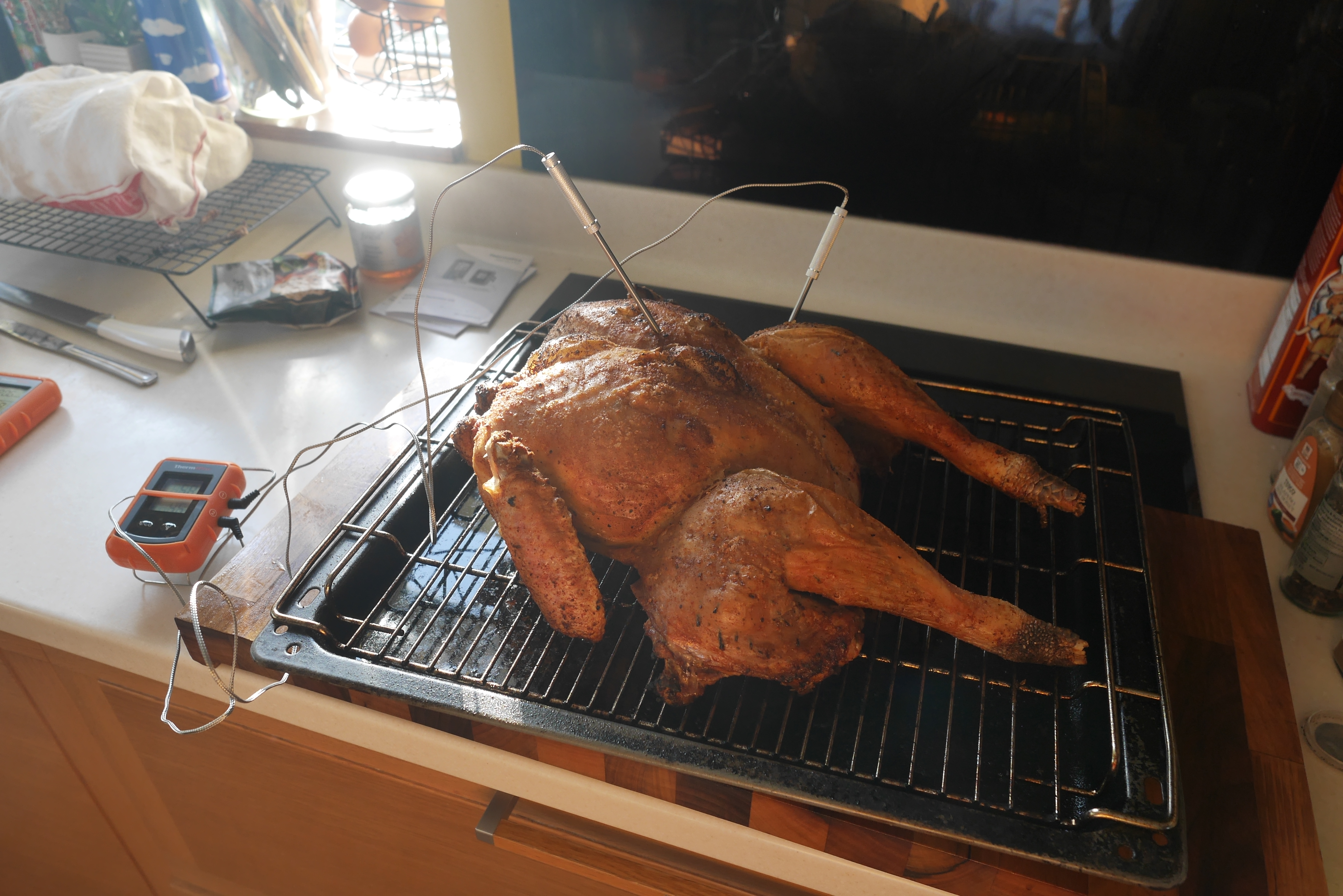
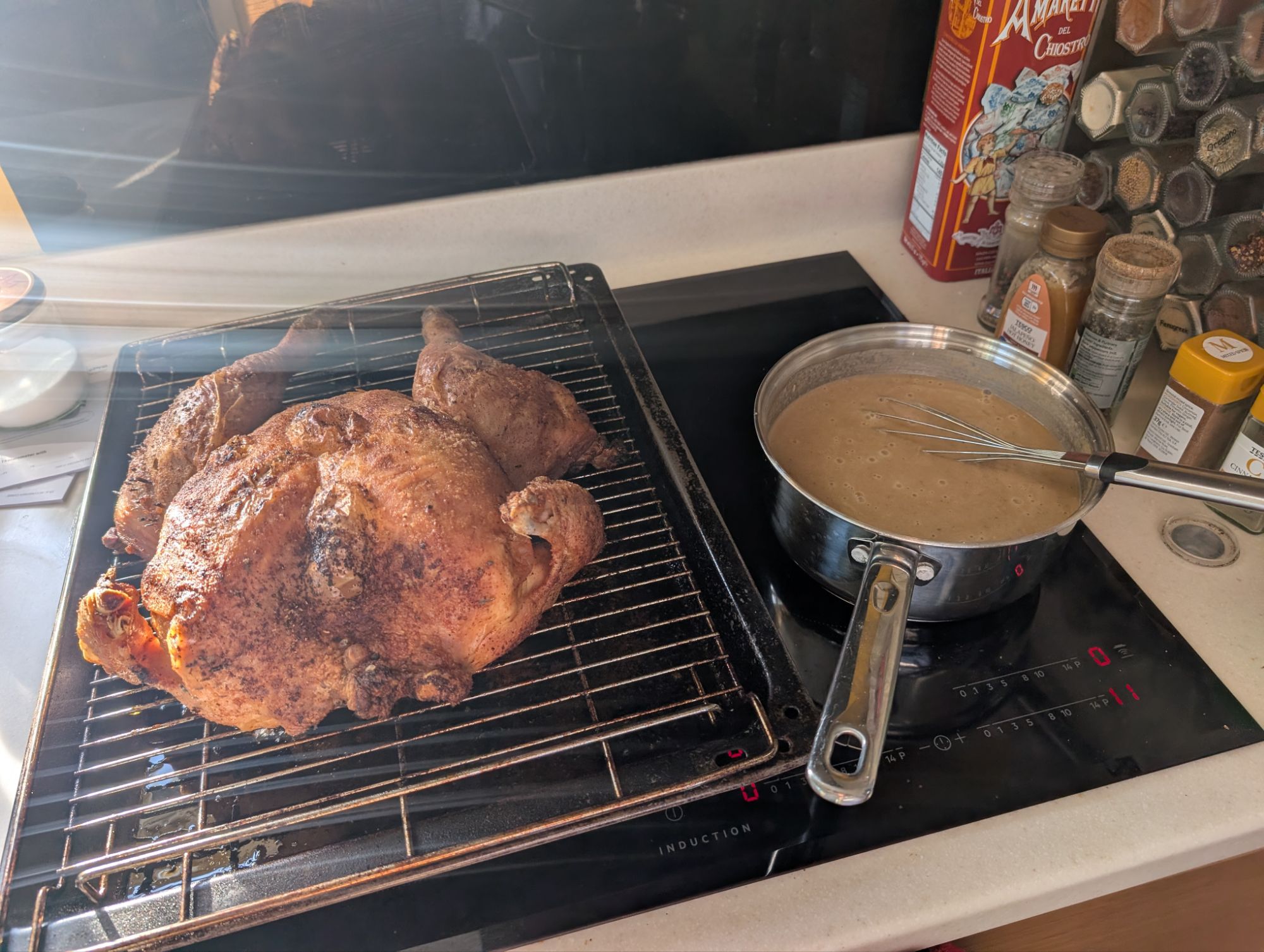
The first step, as in any cooking endeavour, is to get hold of quality ingredients. Does your turkey always disappoint? If you buy the cheapest possible one, it’s more than likely going to taste cheap. That’s not to say there isn’t a ceiling on the price. You can spend a lot more for relatively little benefit, but there are other considerations including organic and free range animals if you take animal welfare into consideration. I tend to spatchcock turkey to give a more even surface area for cooking. The biggest advantage is that a 4.7kg turkey can cook in less than an hour with this method. I opted for a dry brine rather than wet brine this year for a change, which gave exceptionally crispy skin but I did miss the additional moisture added by the wet brining.
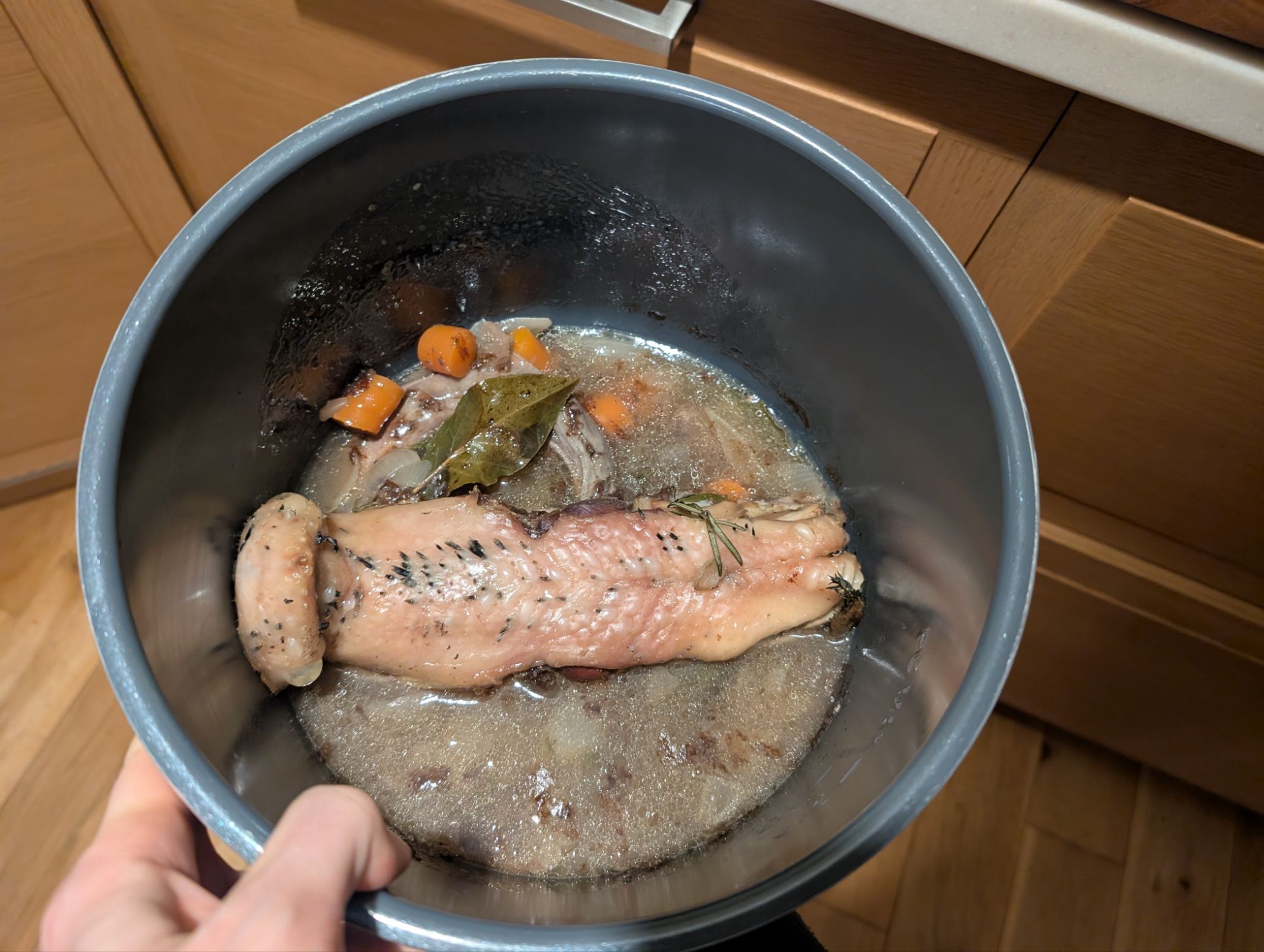
The age old question: what do you do with the giblets? I tend to either roast them or fry them off and stick them in the pressure cooker with some vegetables to make a stock. This stock is then used as the base for the gravy, blended with the meat from the neck and heart. The stock was mixed with the roast turkey juices and thickened with a roux (butter and flour), no bisto required.
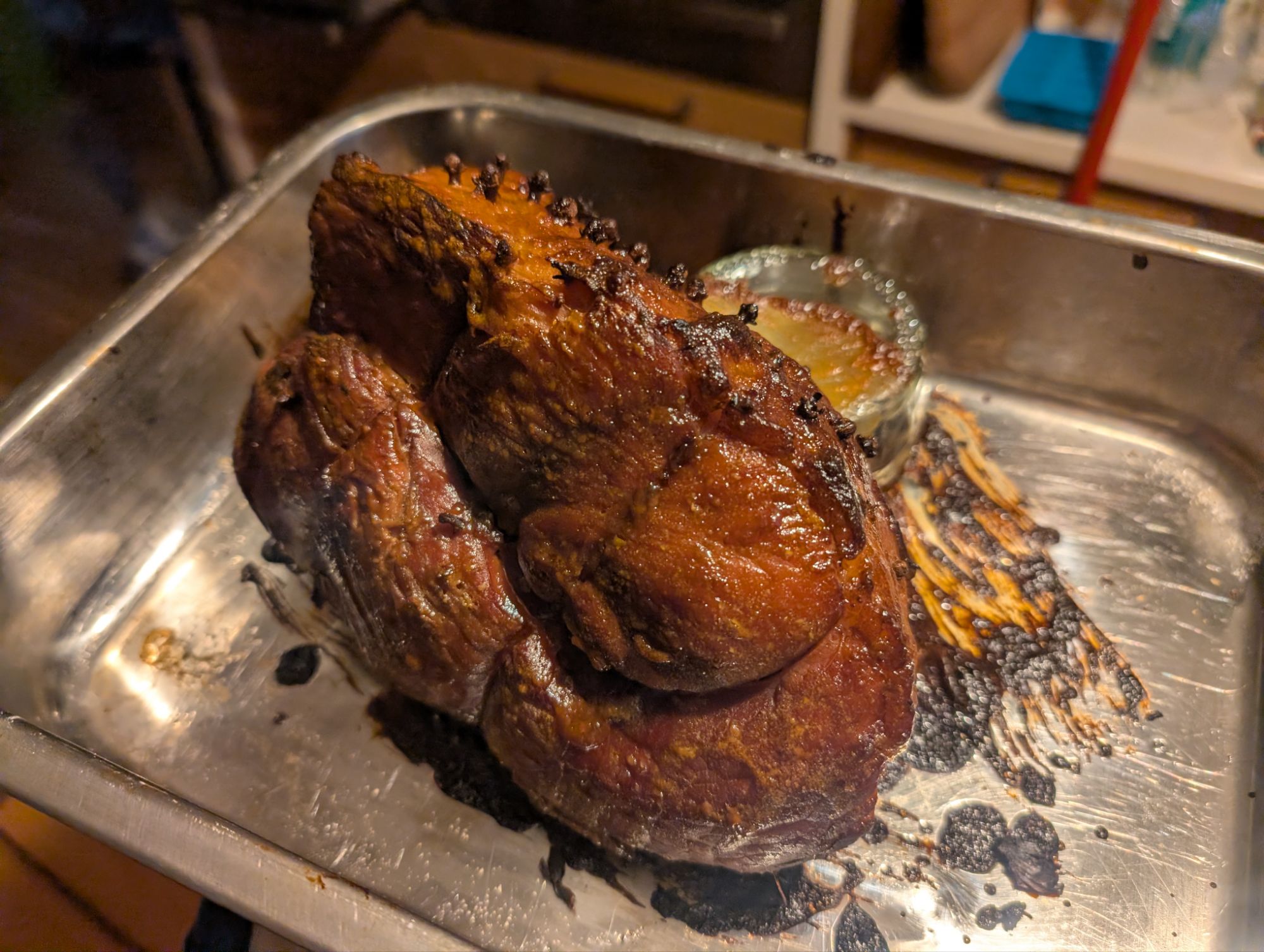
I don’t have a great picture of the ham, but this year I went for one simmered in cola and glazed with a honey, mustard, and maple sauce concoction. The flavour was great, but I think the recipe over-egged the cooking time considerably. I don’t cook ham much the rest of the year so this is an area I need a bit more experience in.
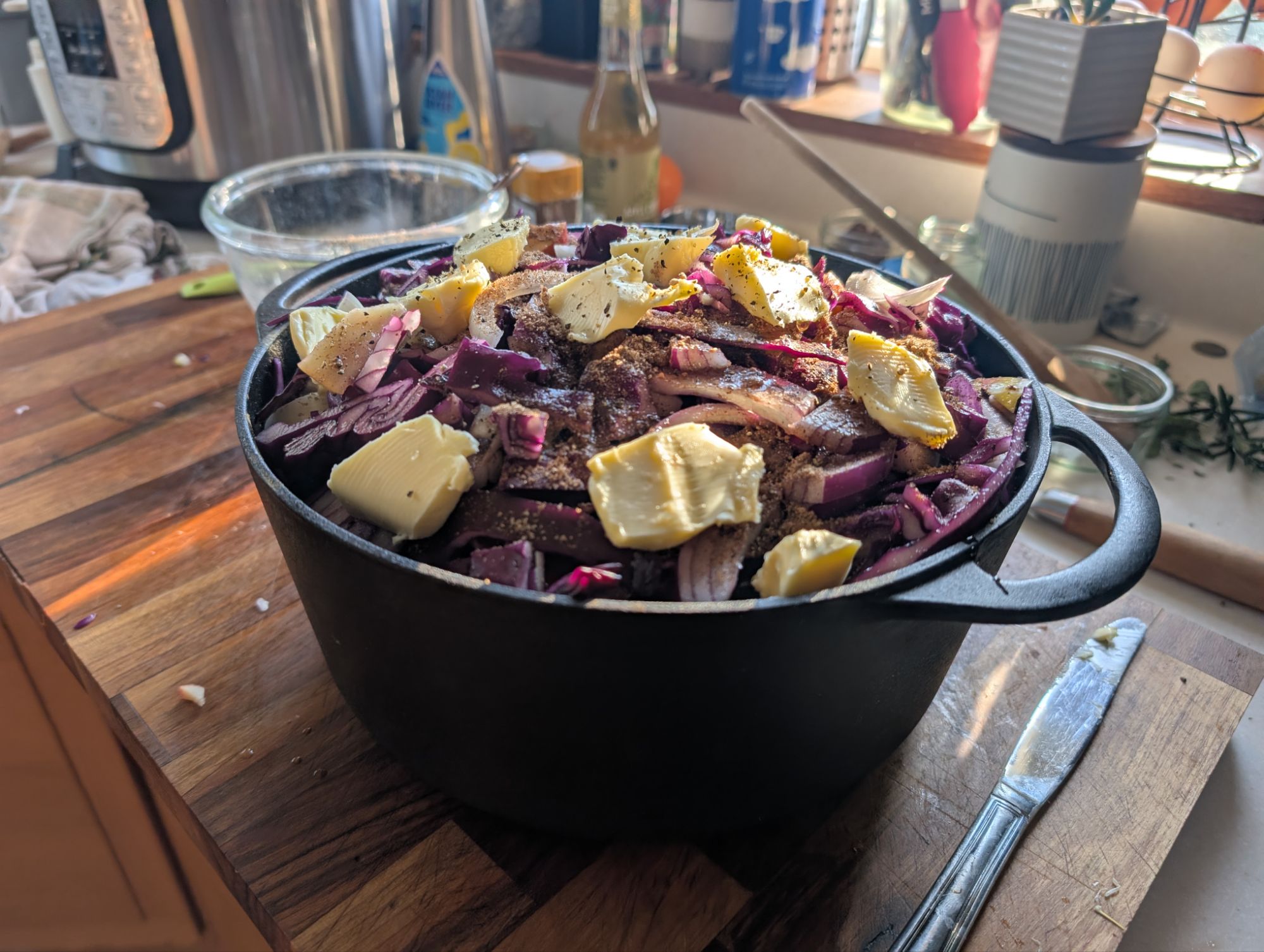
Another traditional side for us is braised red cabbage. I used a Delia Smith recipe which worked well, although I made far too much. The lid just about fit on it. It could have done with some heavier spicing too, and more apple.
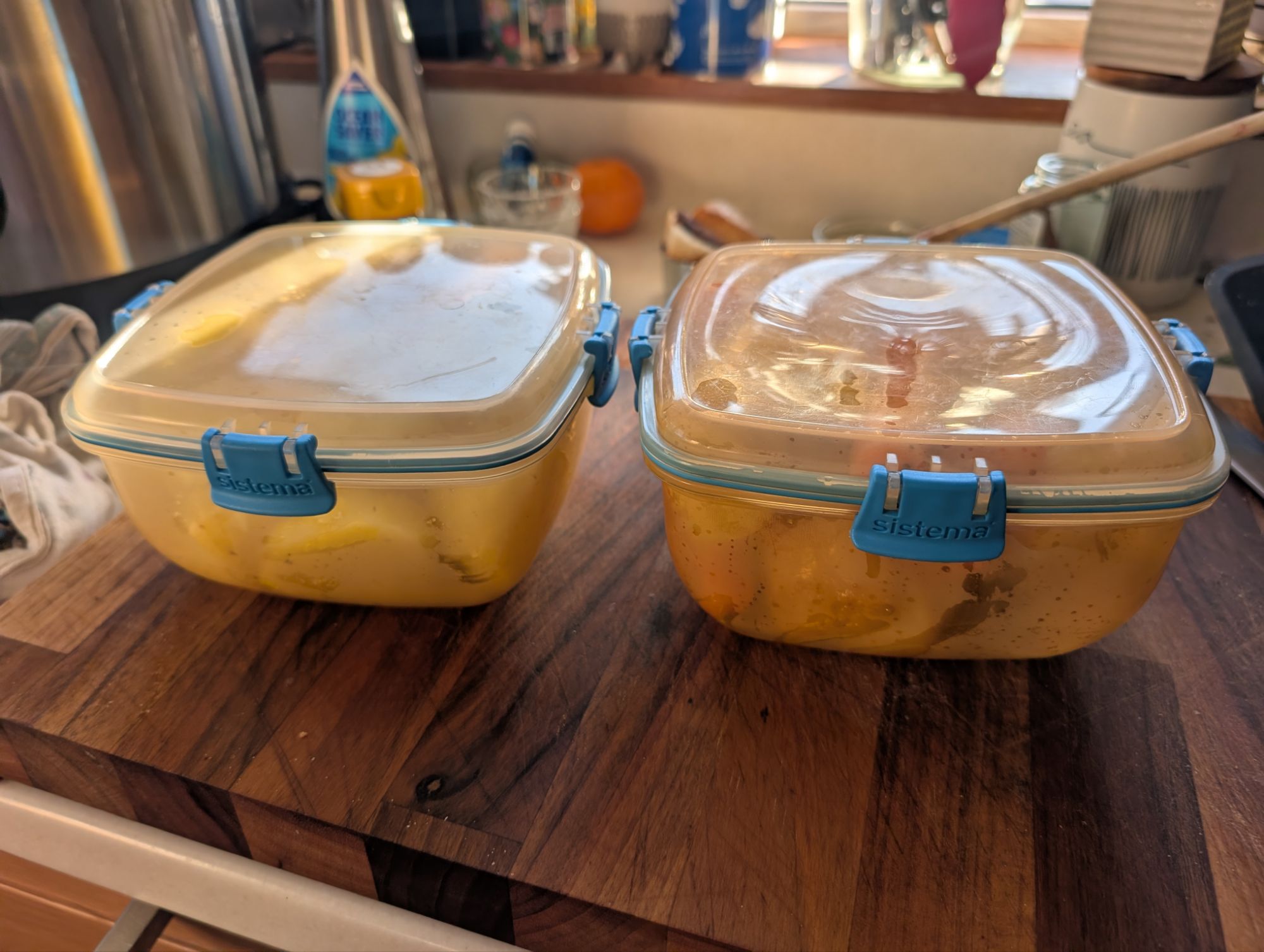
Most of the preparations other than the turkey, sprouts, and Yorkshire puddings were finished on Christmas Eve. This made cooking on the big day a relaxed experience and much more pleasant. Plenty of time to sit down and enjoy opening presents with the family.
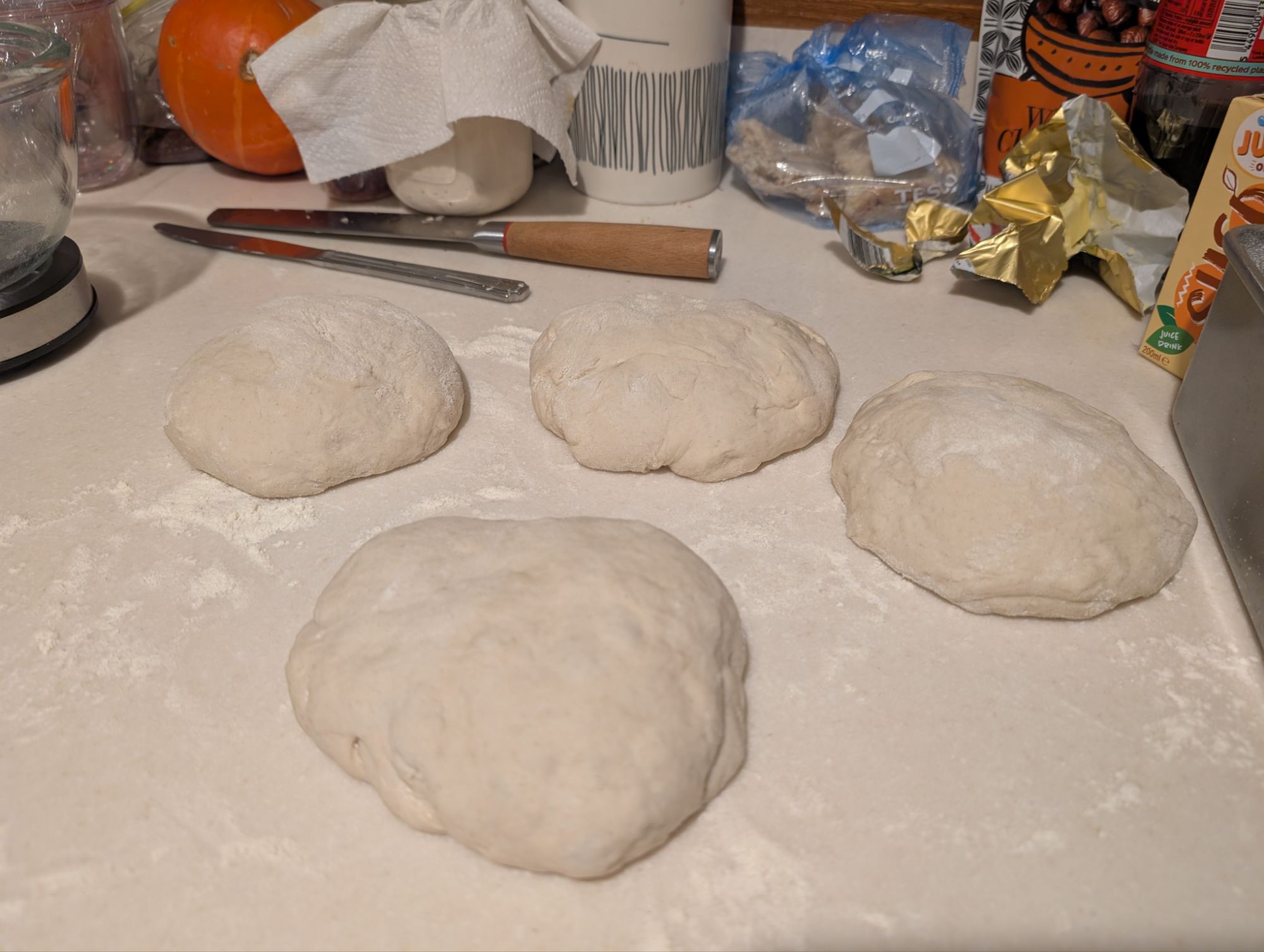
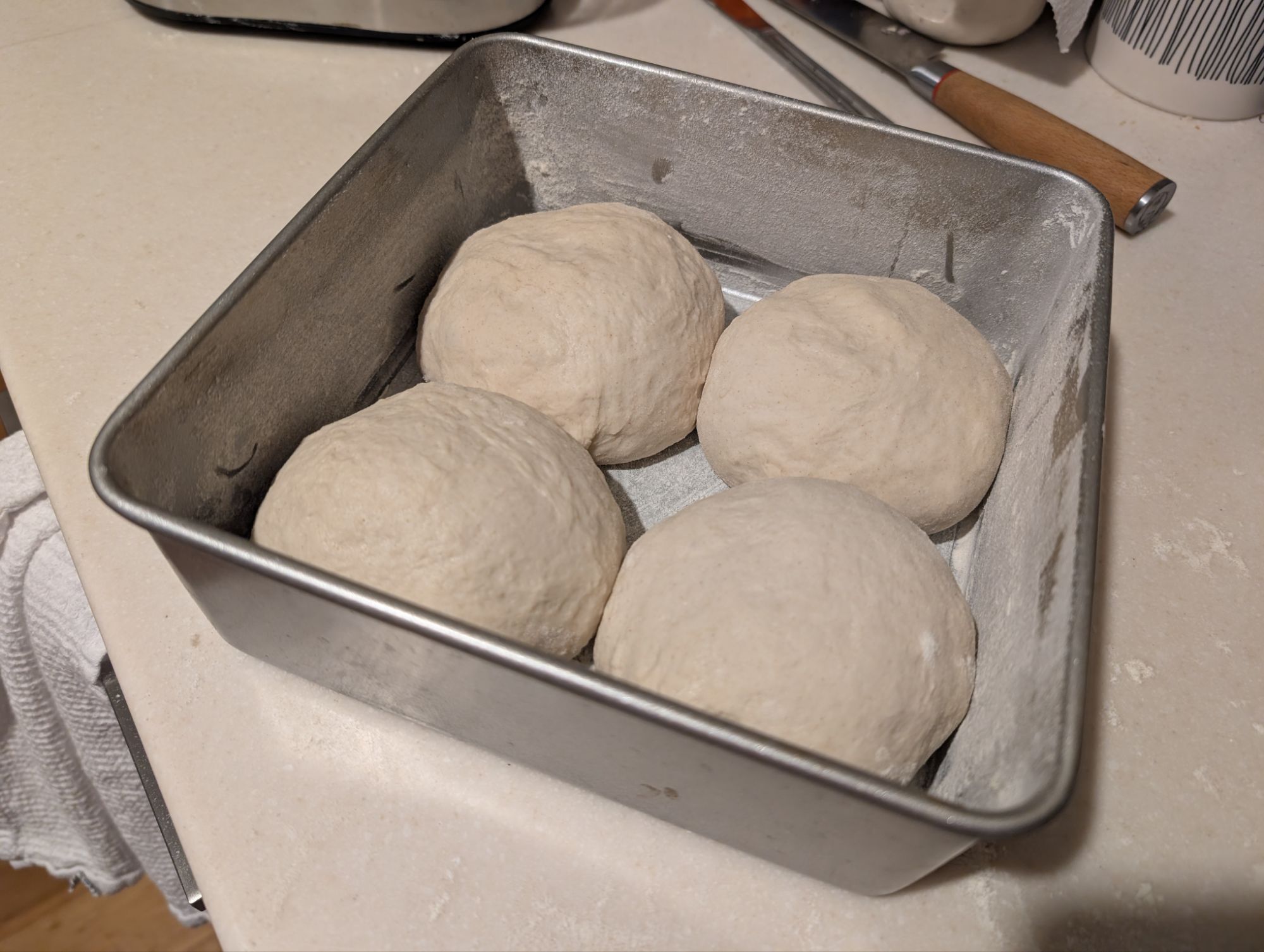
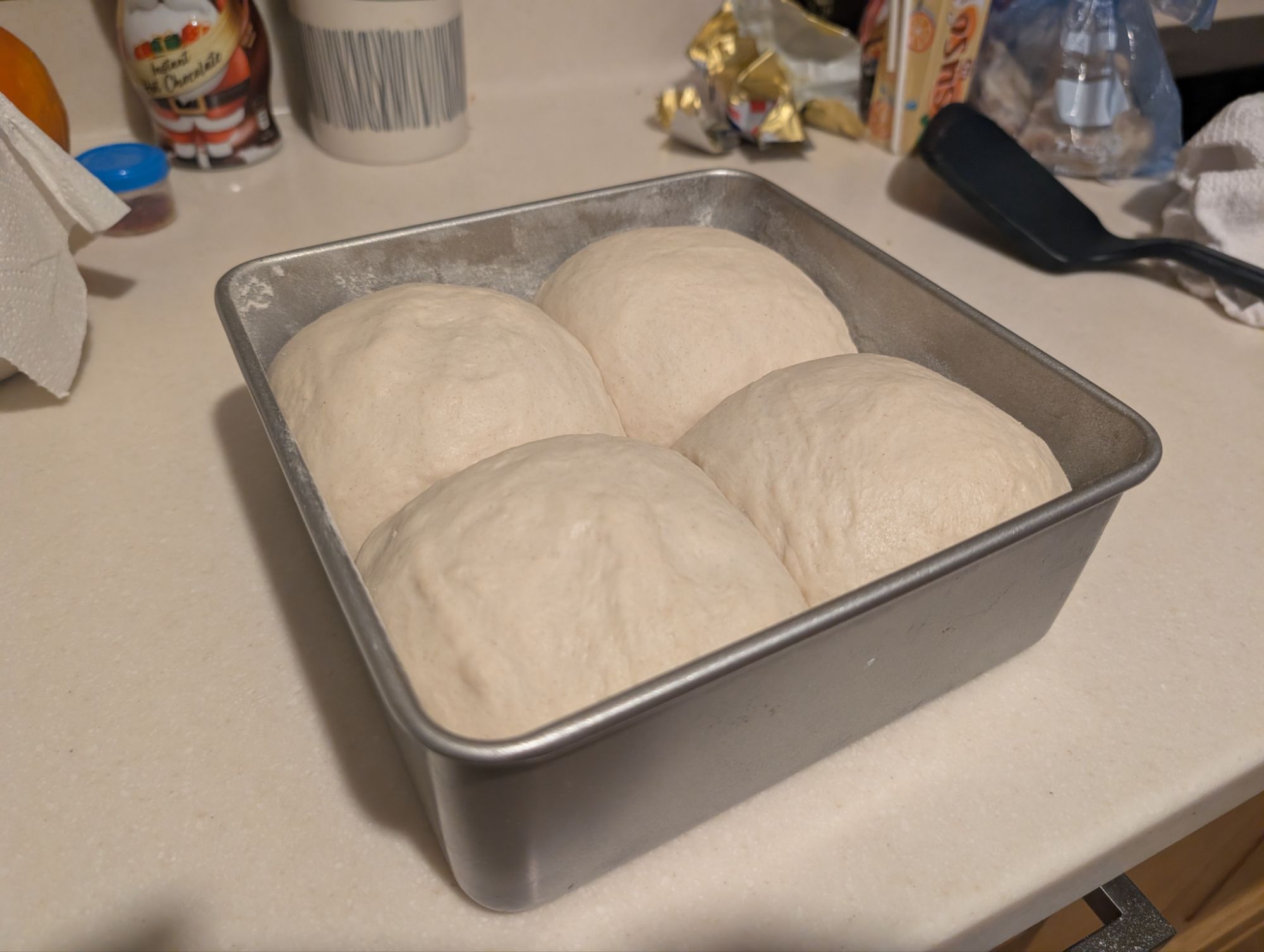
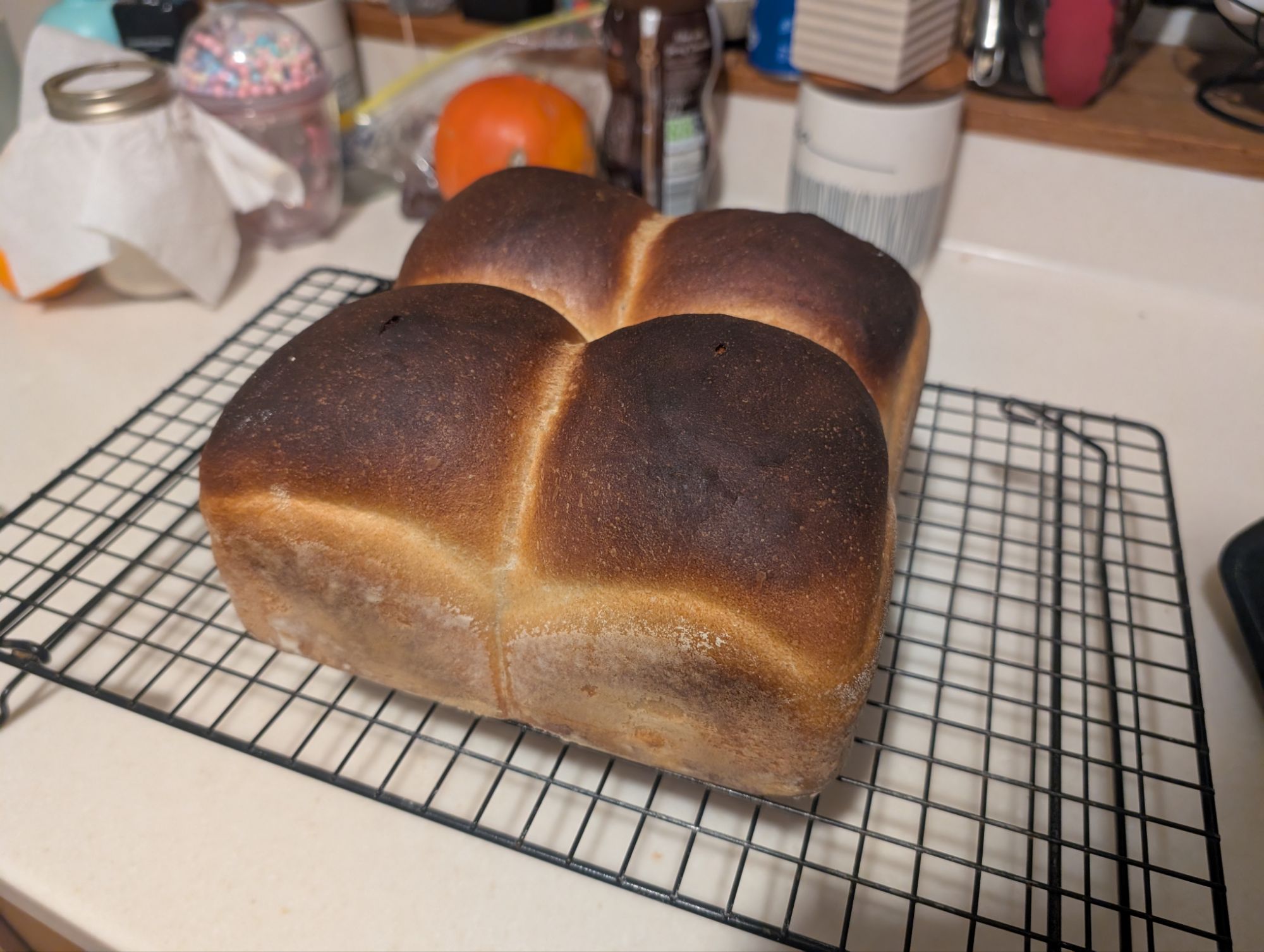
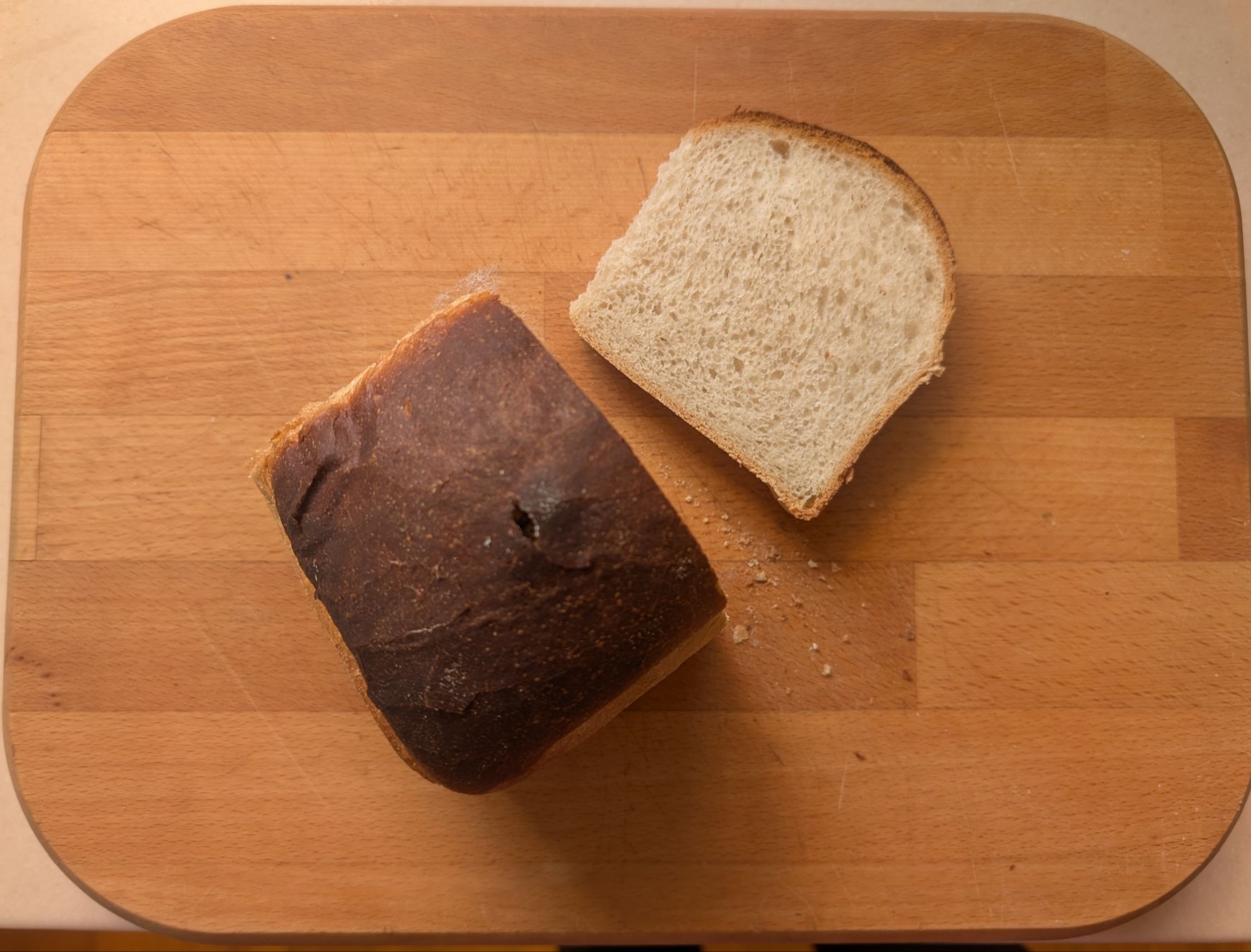
Another season association deeply embedded in my psyche is Nutty Krust bread. This is a batch loaf made by Irwin’s in Northern Ireland (although alternatives are available) which has a uniquely dense (but not too dense) crumb and thick crust which is perfect for toasting. It also makes excellent breadcrumbs for stuffing (another tradition from mum). Nutty Krust isn’t readily available in Plymouth, unfortunately. I am yet to see a batch loaf outside of Ireland, but that didn’t stop me. One website went out of it’s way to re-create Nutty Krust at home, and having made it on several occasions I can testify to the quality of the recipe. The only thing is the oven temperature and baking time which lacks some precision. I did bake it at the highest temperature I could for about half of the cooking time but cut it back to 240 degrees C (or thereabouts) to avoid burning it too much. It’s important for the crust, but the bread still needs to be edible at the end of the day. That recipe makes four mini loaves. The Irwin’s website describes a drawn out fermentation process, but it’s not really required and the result is perfect as is.
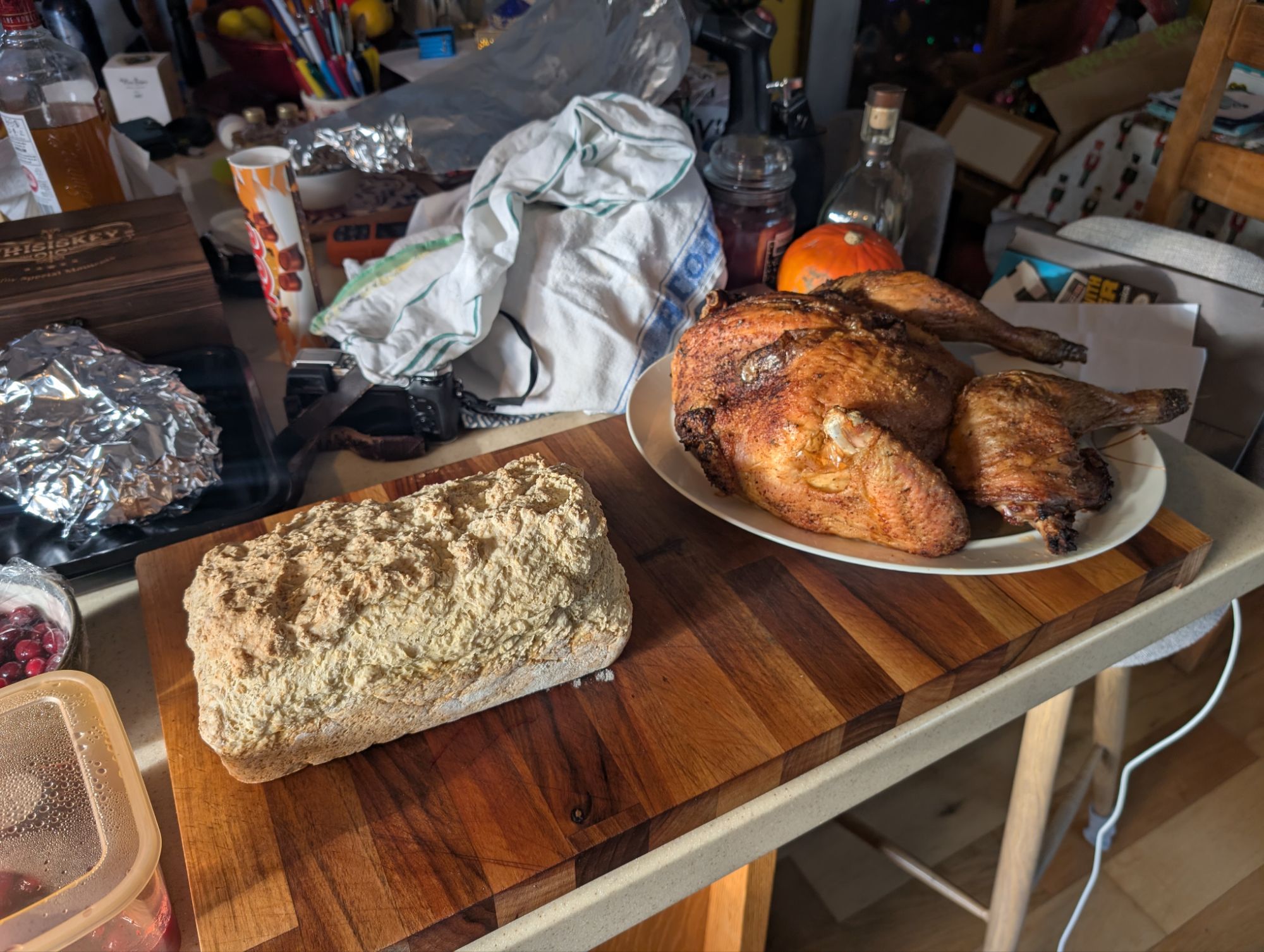
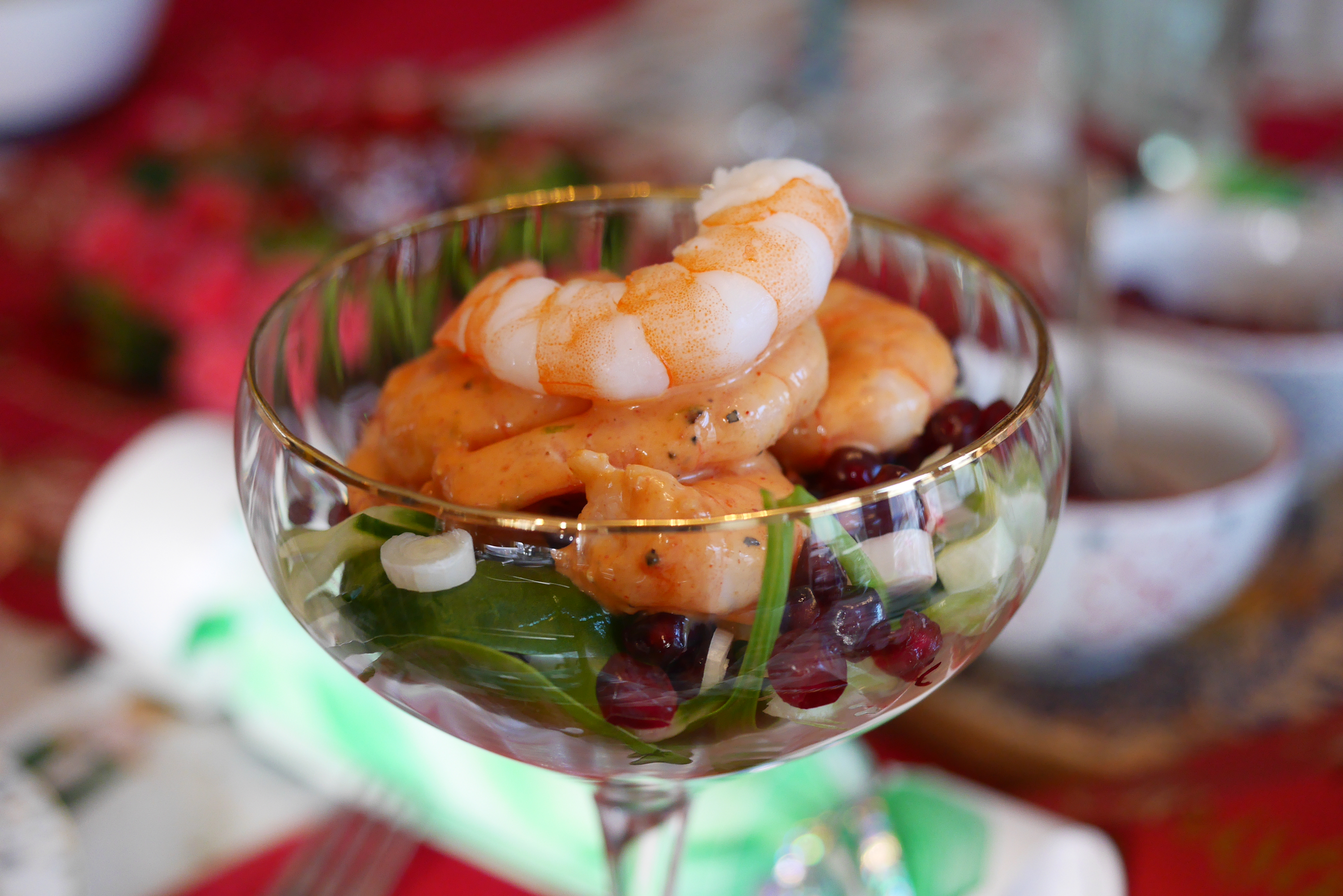
This year the starter was a twist on a traditional recipe. A gojuchang prawn cocktail, served over quick pickled cucumber and pomegranate seeds, with a side of wheaten bread. It was pleasant, although I put much less of the chilli paste in it than in the original recipe as I didn’t want to blow our heads off.
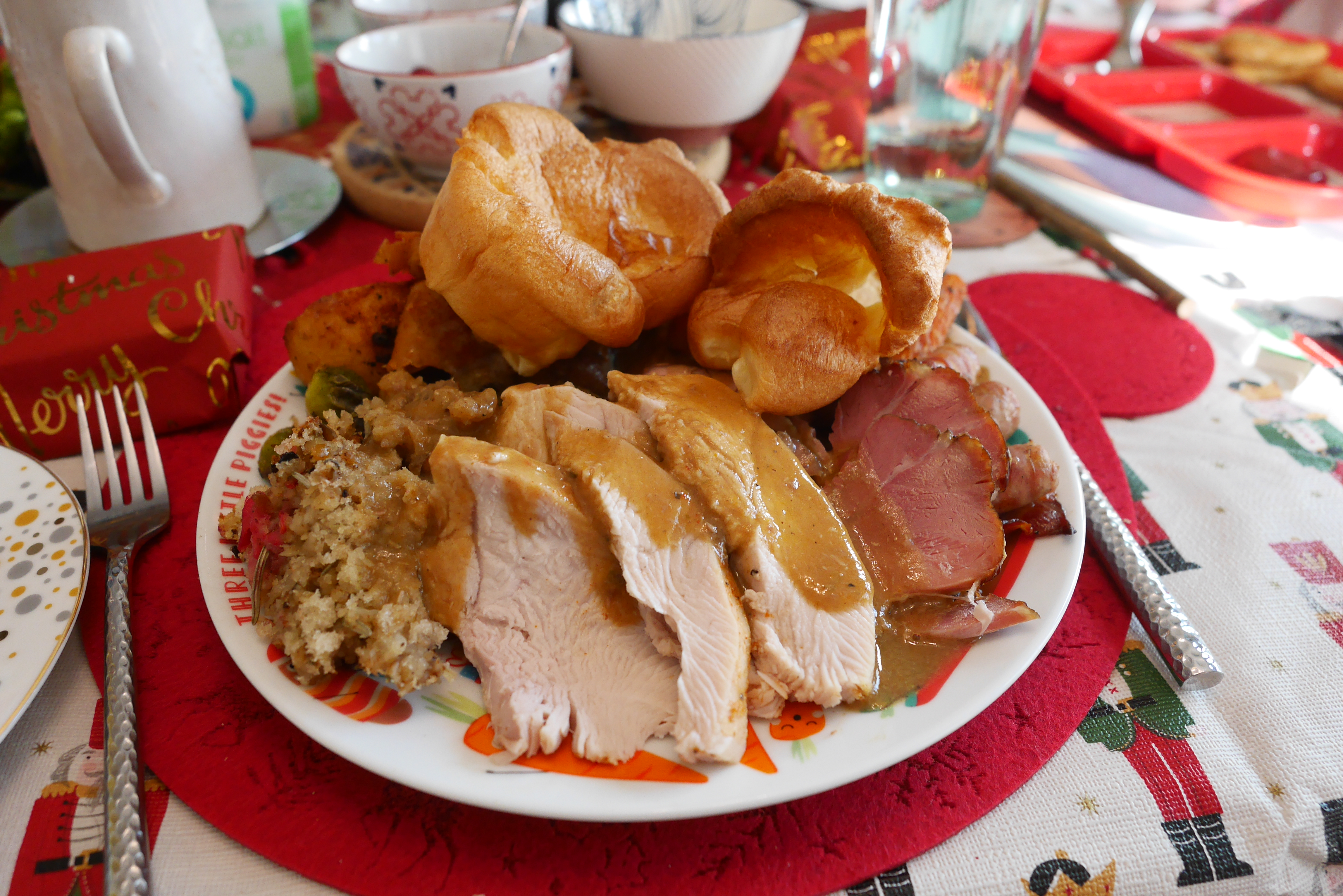
The dinner plate, as always, was ridiculous. There are so many elements to a Christmas dinner that it is nearly impossible to fit them on the plate. It was enough food to tide us over for the rest of the day (and into the next). The Yorkshire puddings were made with a cold tray, and cold oil. Yes, it does work.
Not everything worked out as intended. Way back I made a Charlotte Royale after seeing it on Bake Off. It worked perfectly, although it was time consuming to put together.
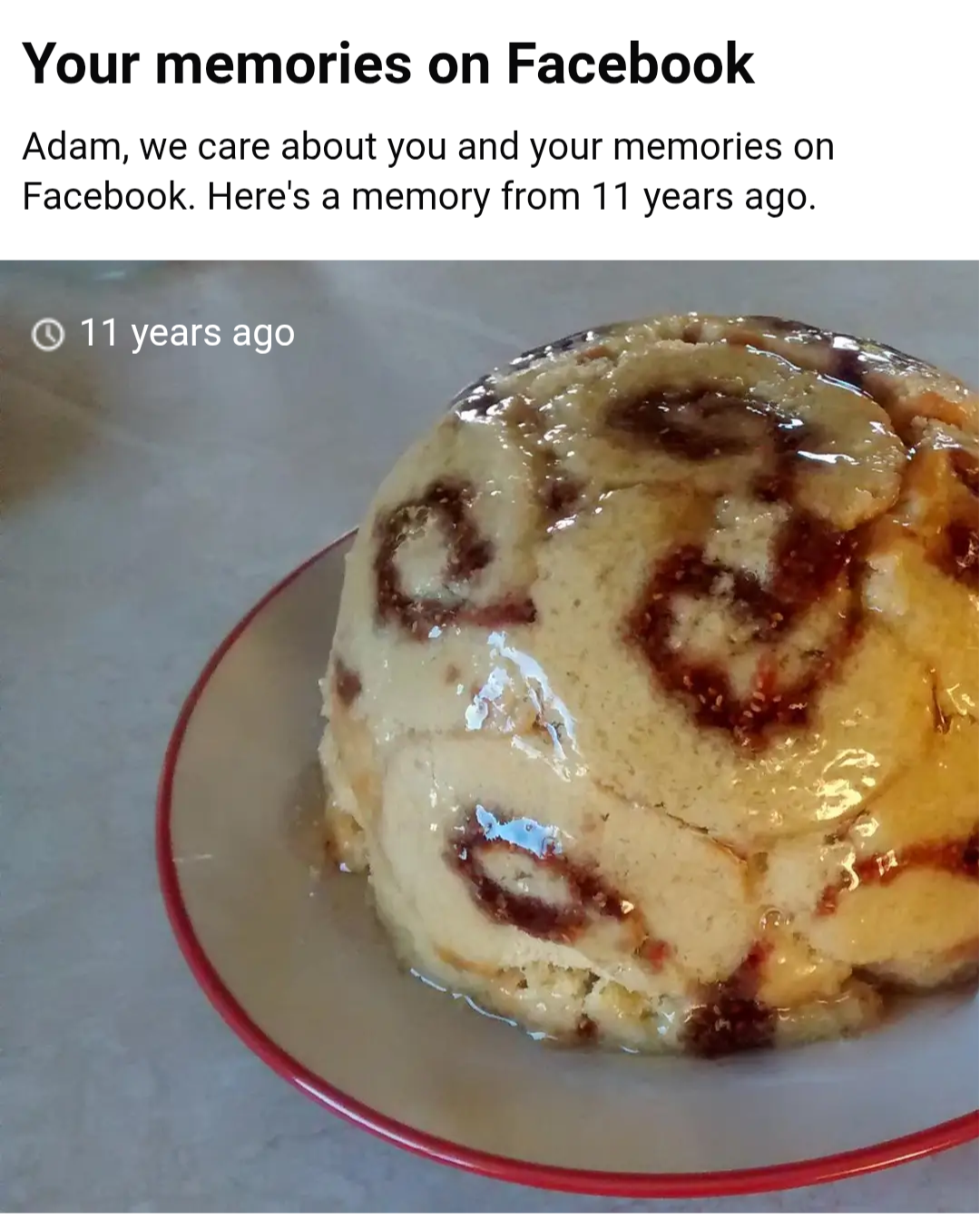
This year I attempted to recreate the glory days of my baking, but due to a swiss roll malfunction (lack of tins, dodgy recipe), the sponge was much too thin and had a weird texture. I managed to assemble it but it was less impressive. The scale of the operation was quite something though. First I made a raspberry puree which I added to some homemade custard. This mixture was combined with gelatine to create the bavarois for the filling.
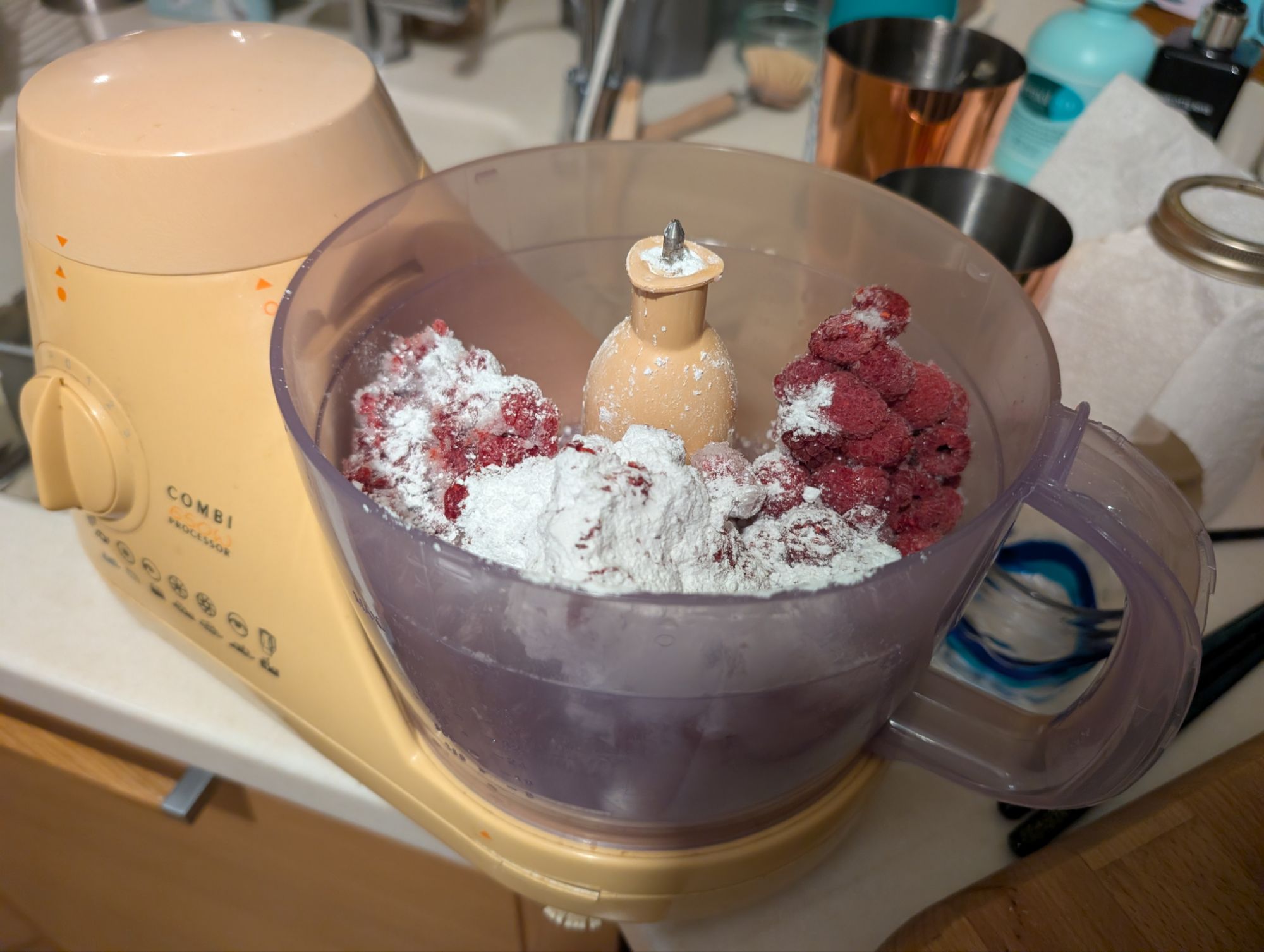
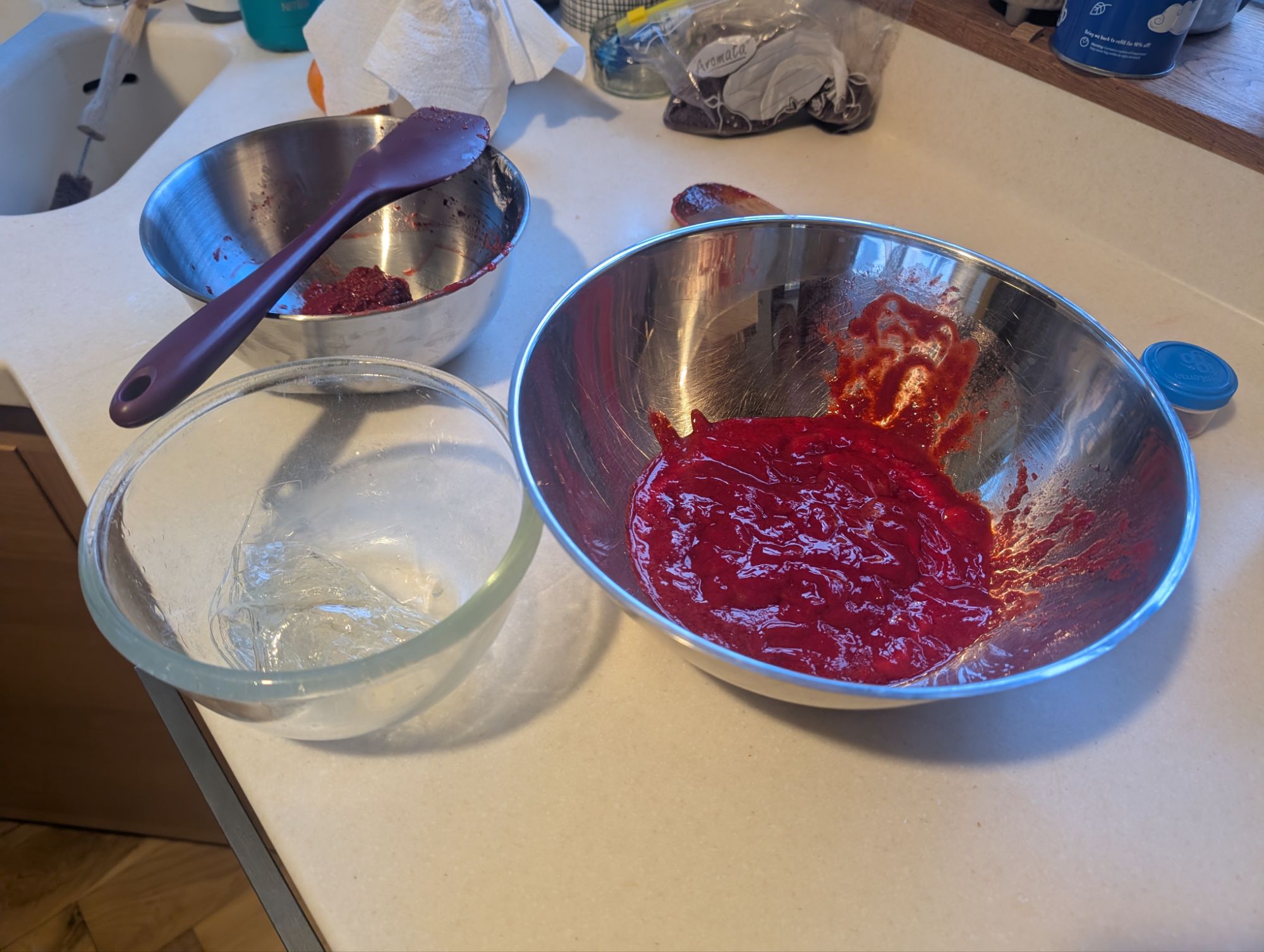
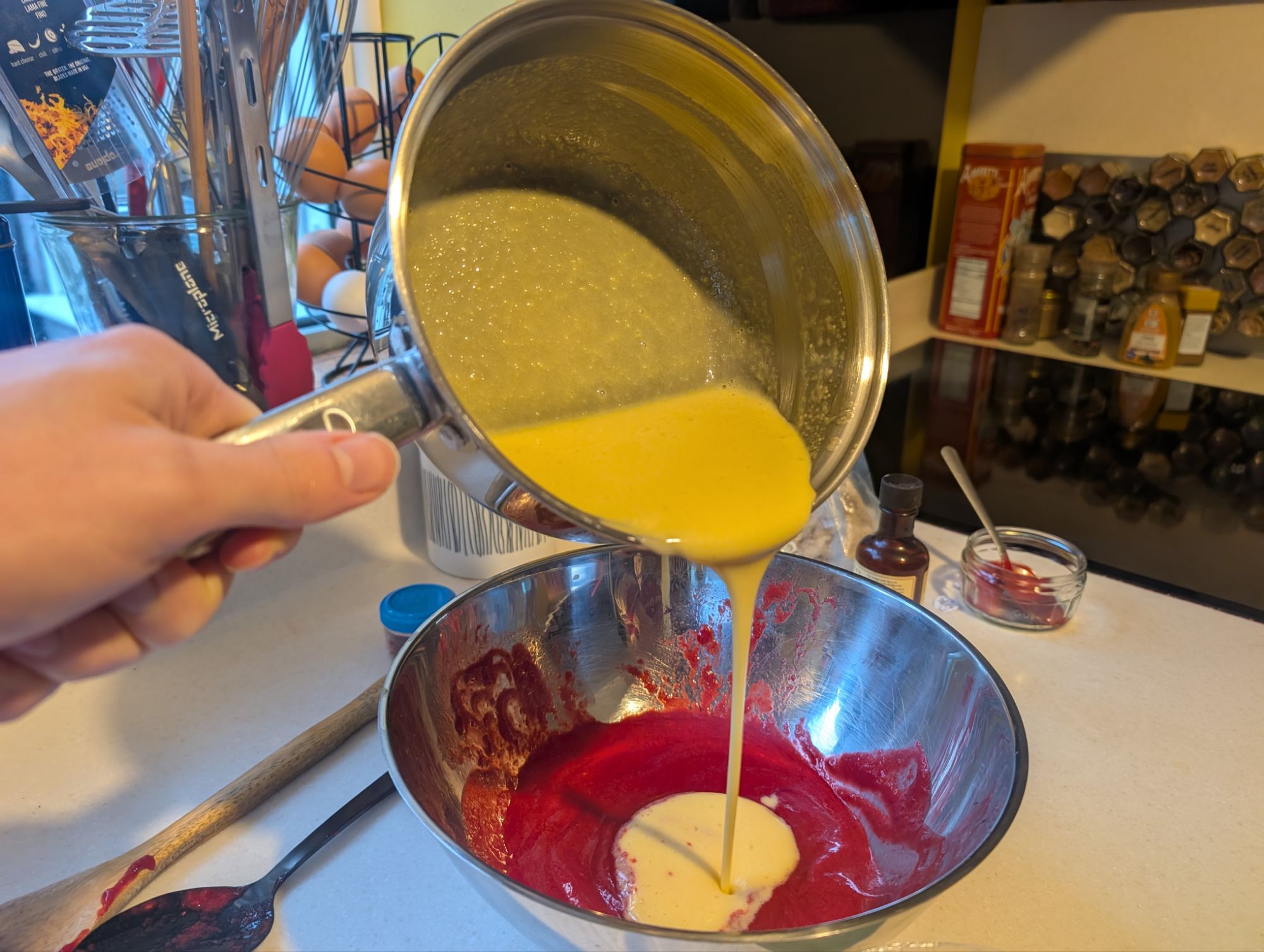
The sponge recipe used eight eggs (probably a red flag), and two swiss roll tins. I had precisely zero swiss roll tins, so I opted for the biggest roasting tin we owned. I did produce two sponges from this, but they were distinctly flat and relatively inelastic. Functional, but not as I had hoped.
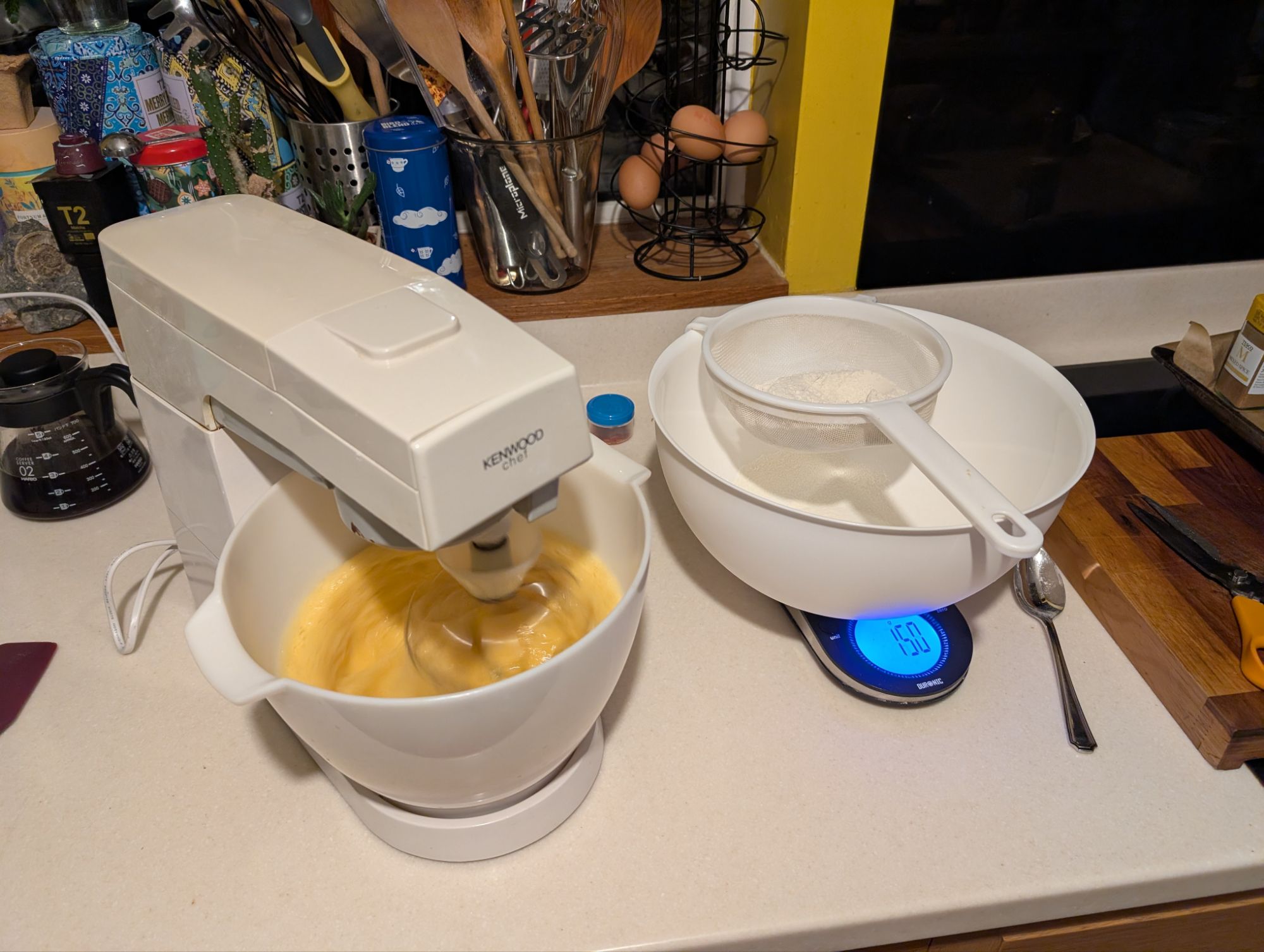
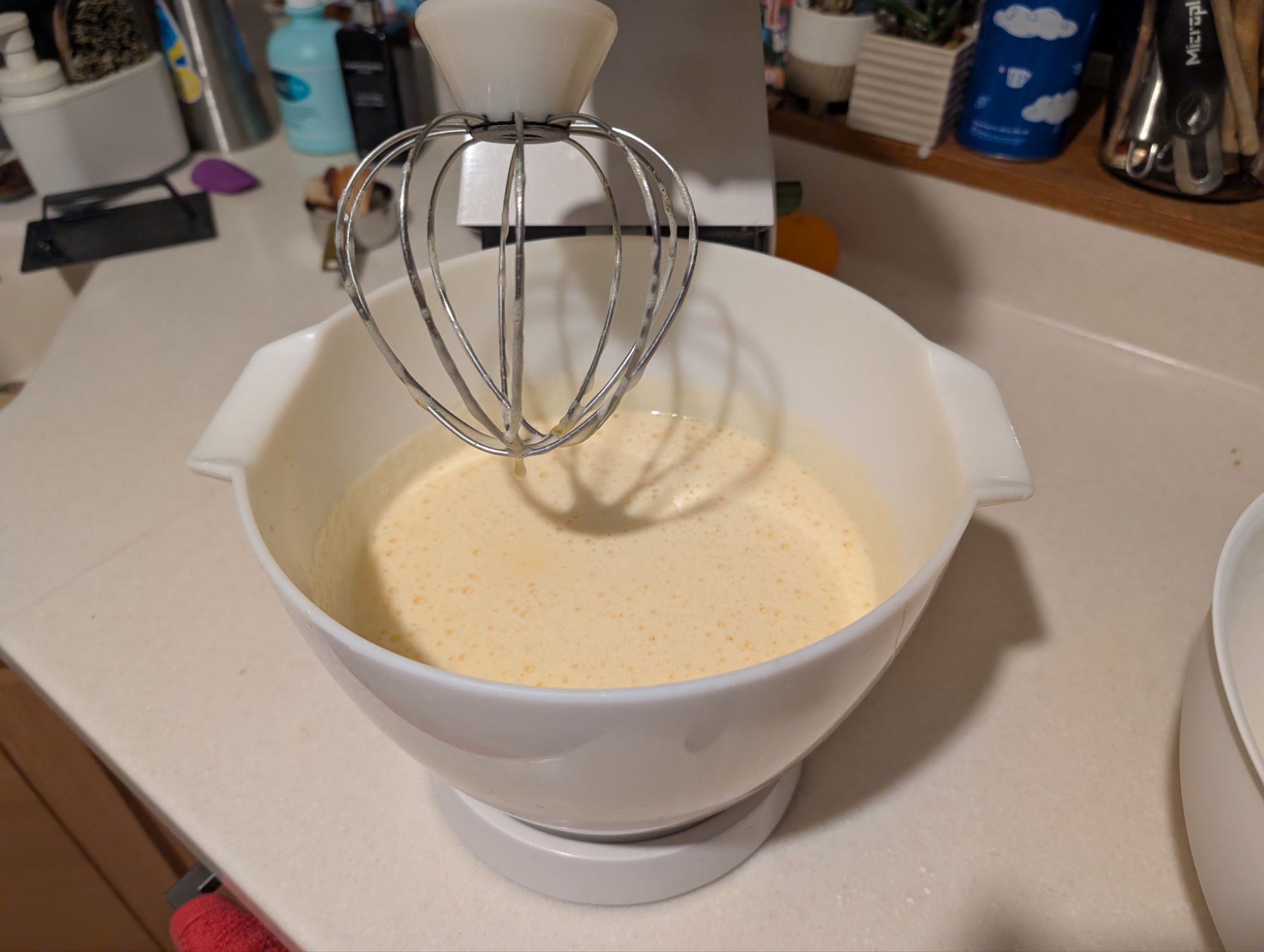
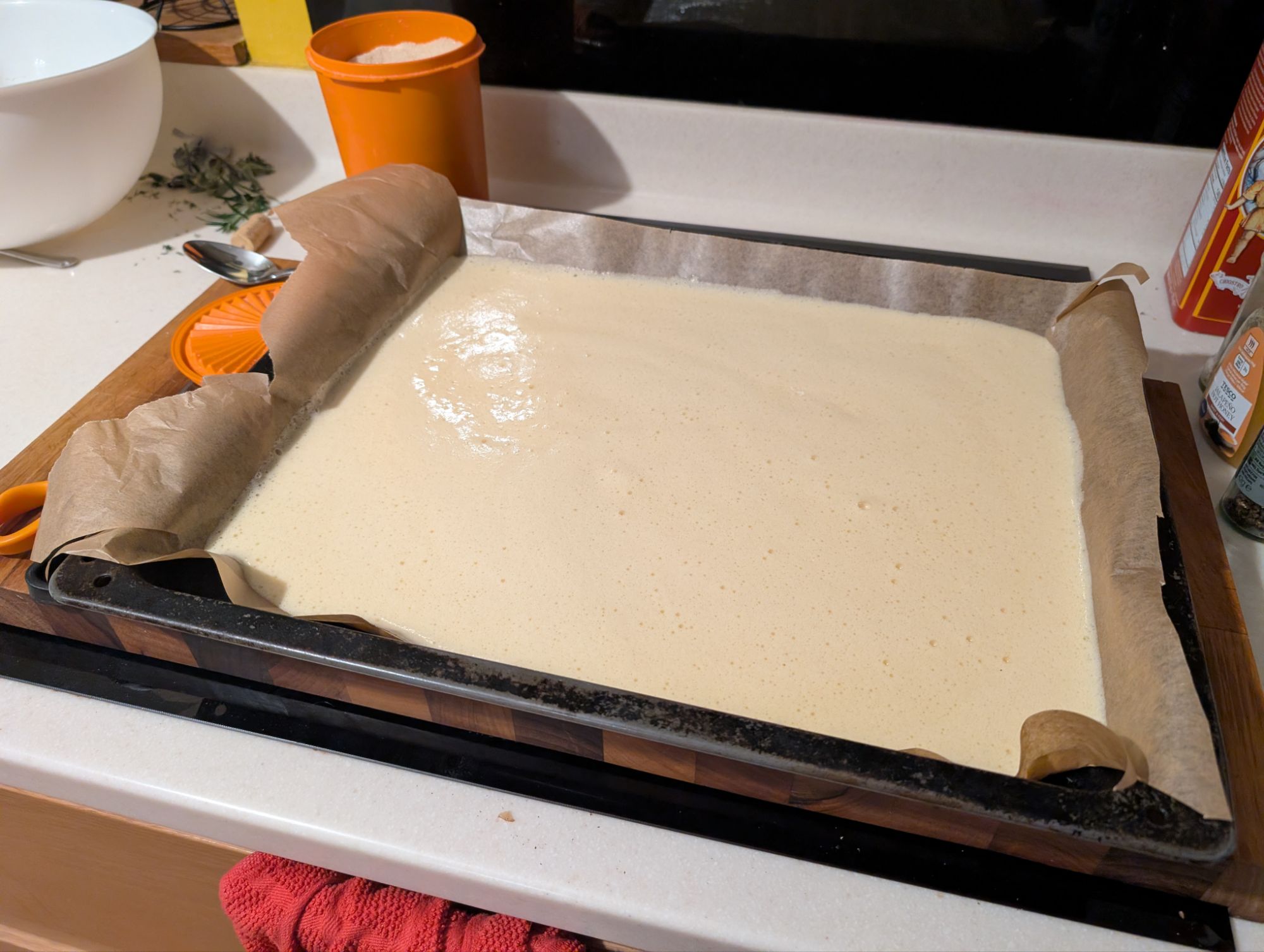
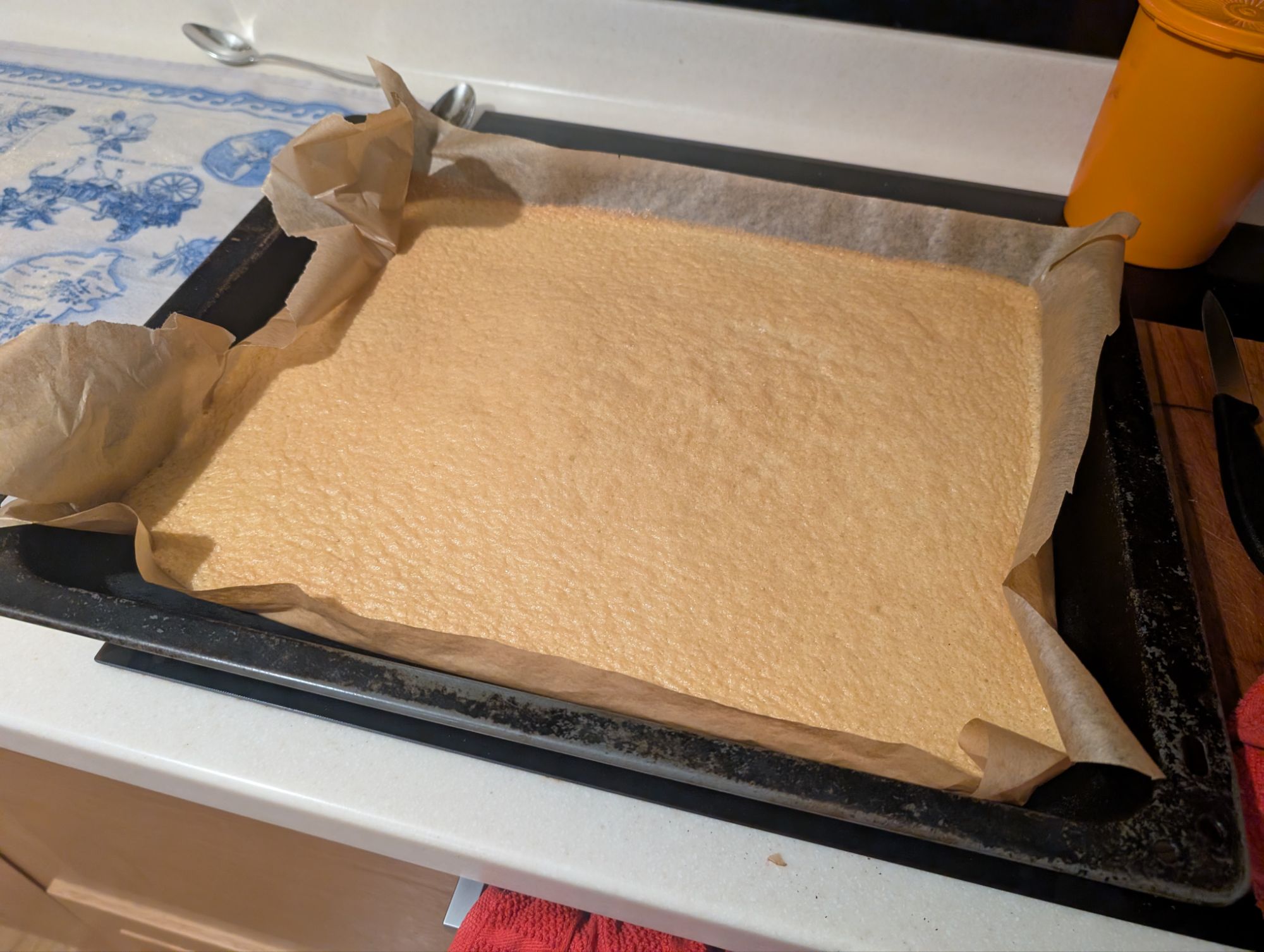
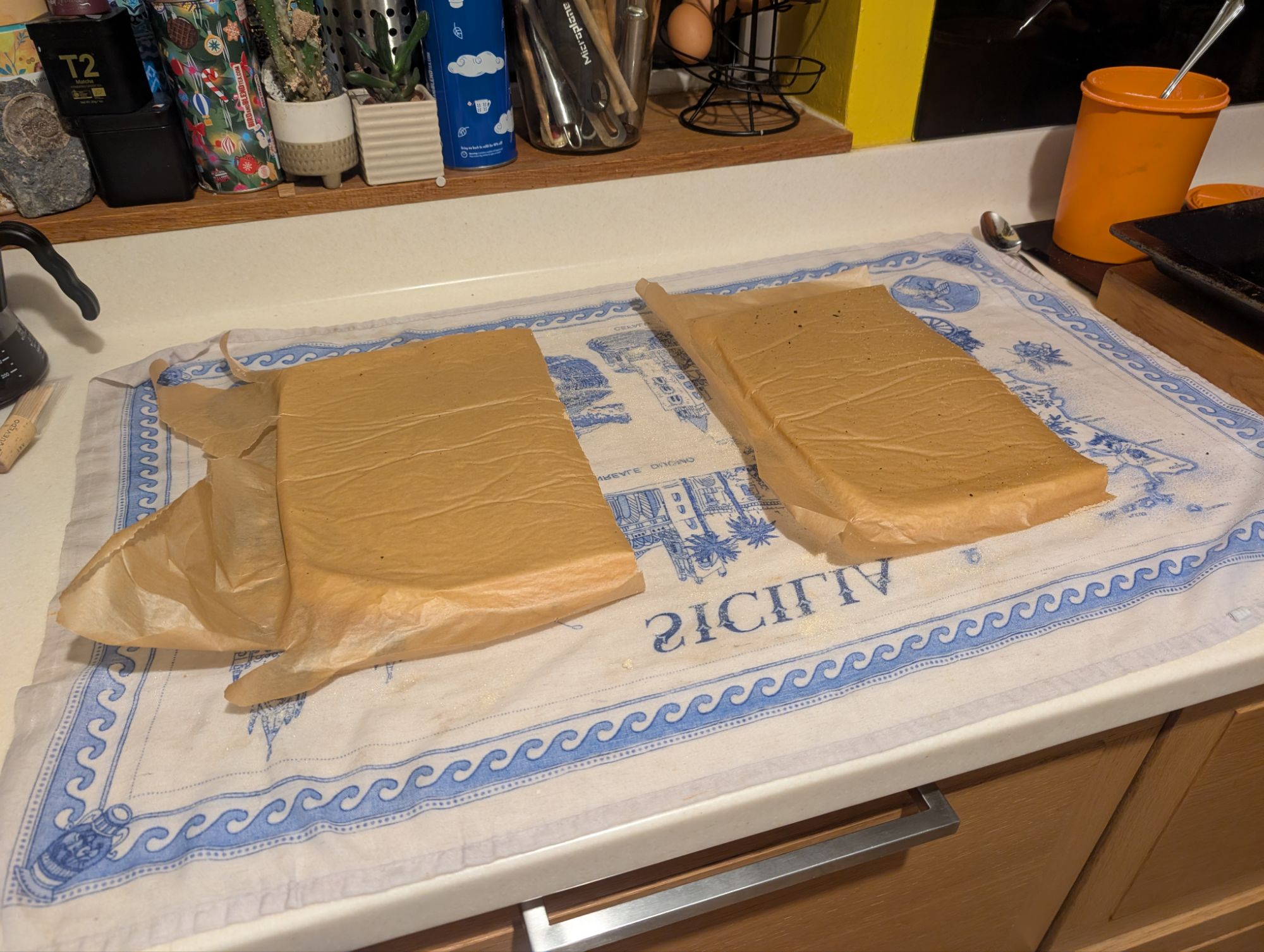
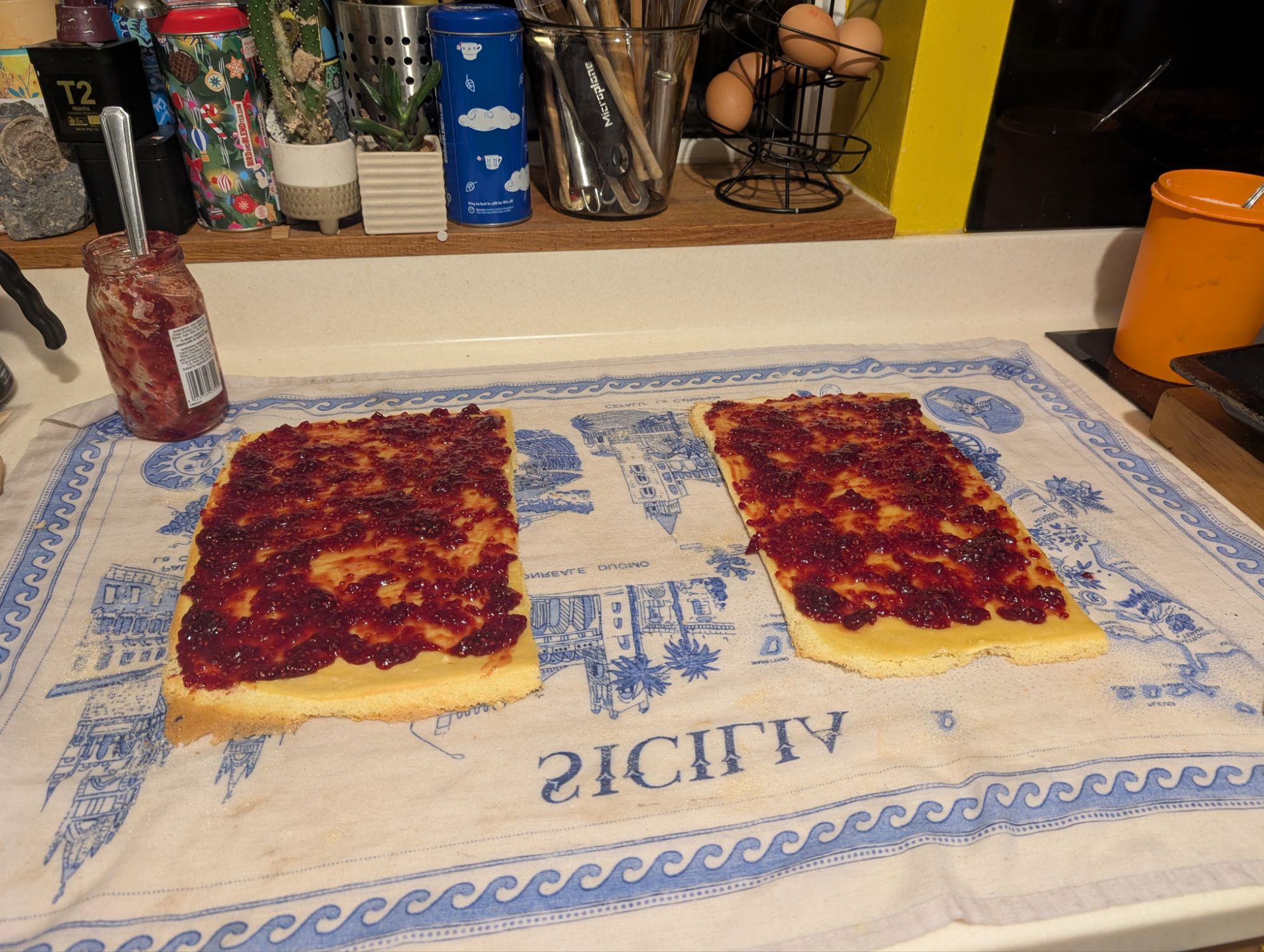
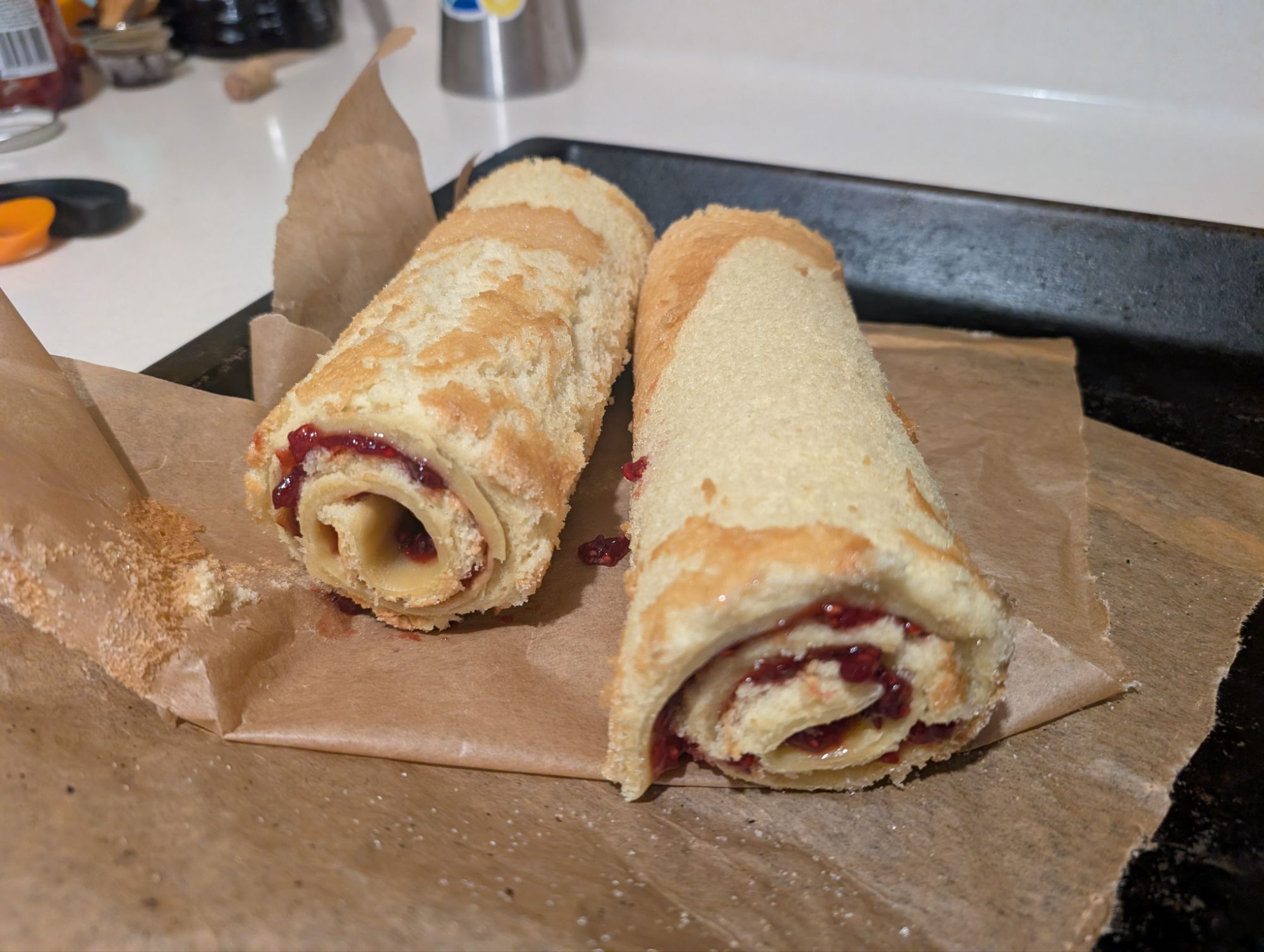
The swiss rolls were then sliced into 1cm rounds and used to line a (clingfilm-lined) bowl, then I added raspberry jelly and the bavarois. The whole thing was allowed to set in the fridge overnight, then turned out.
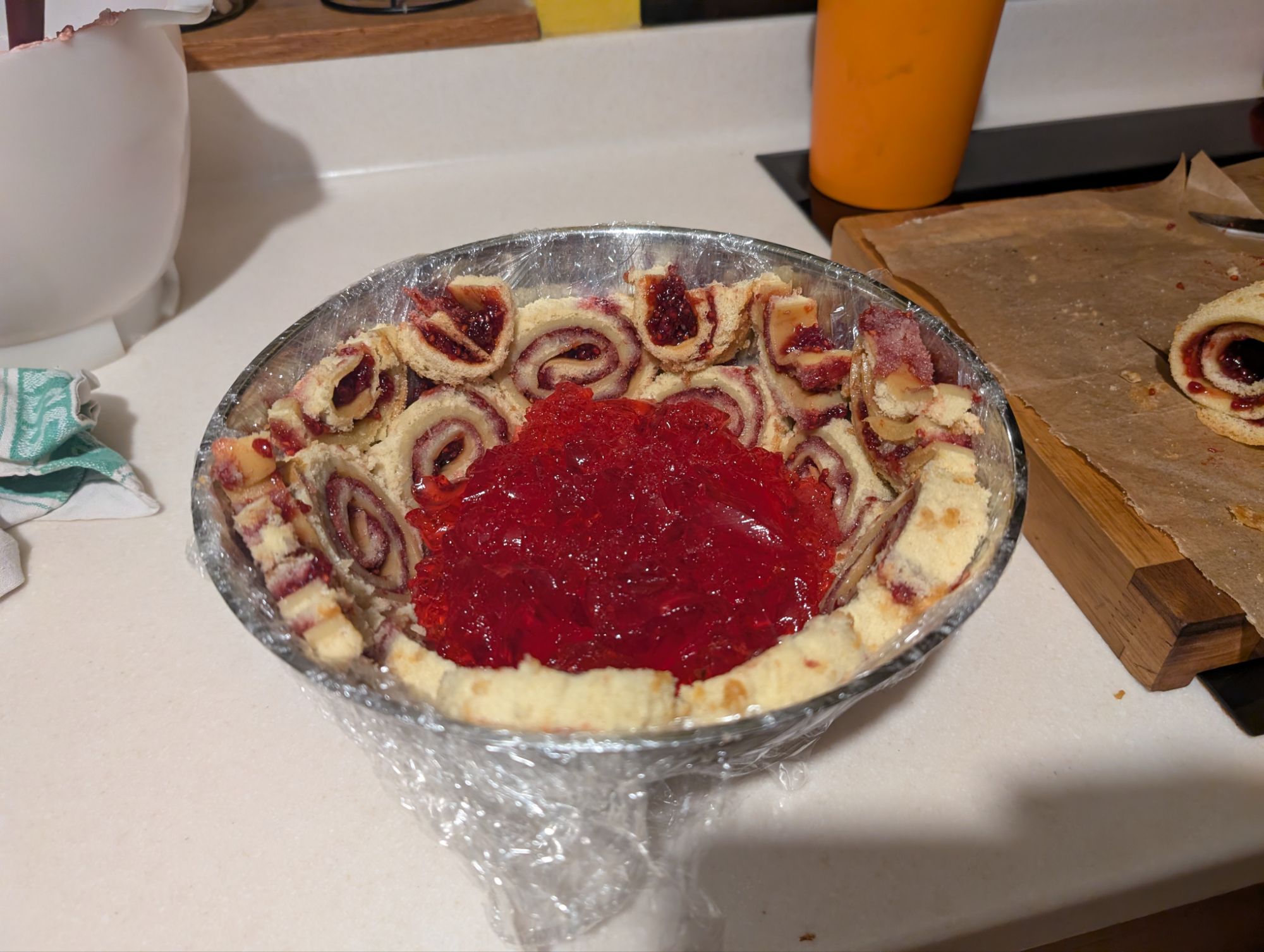
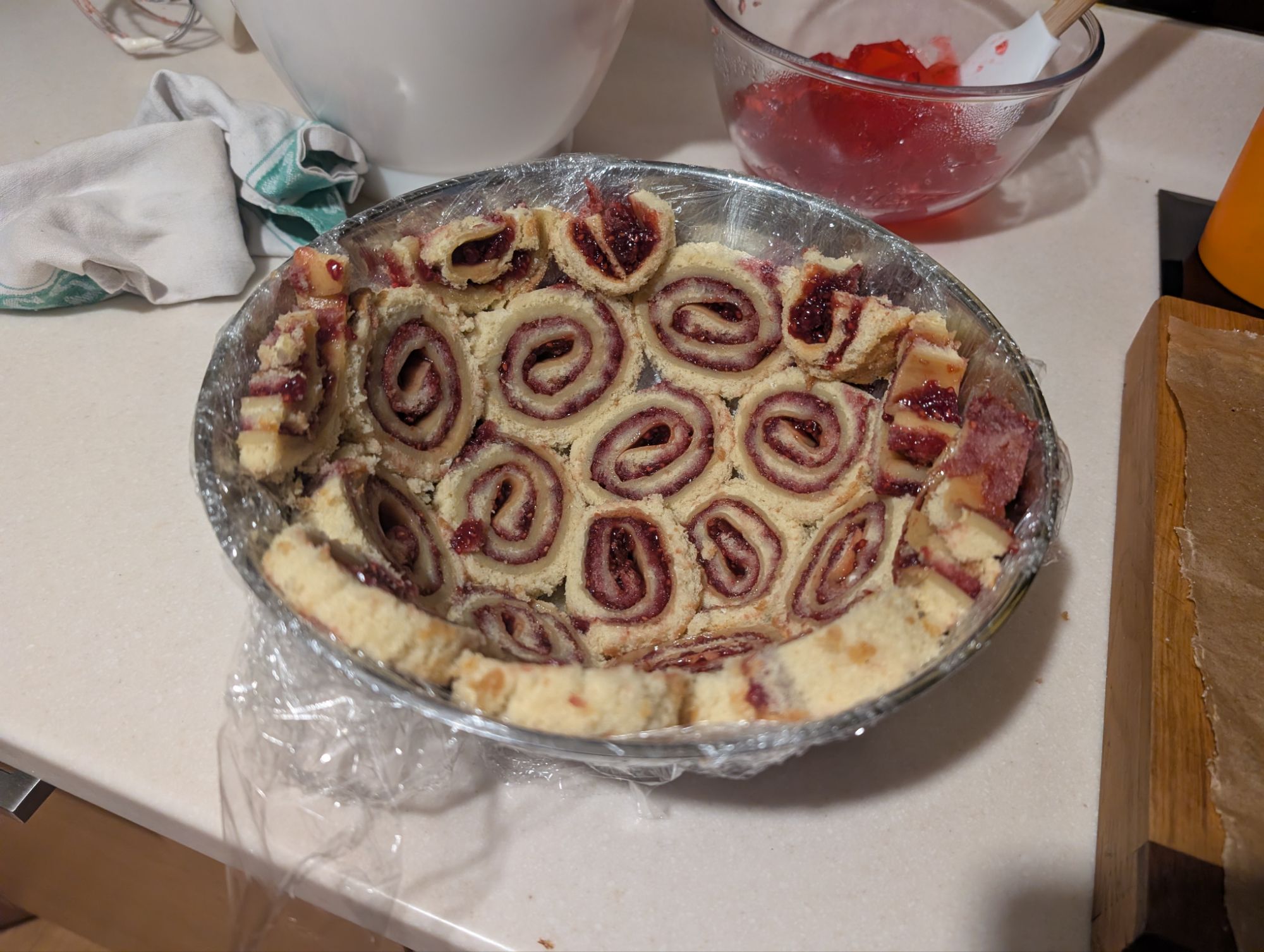
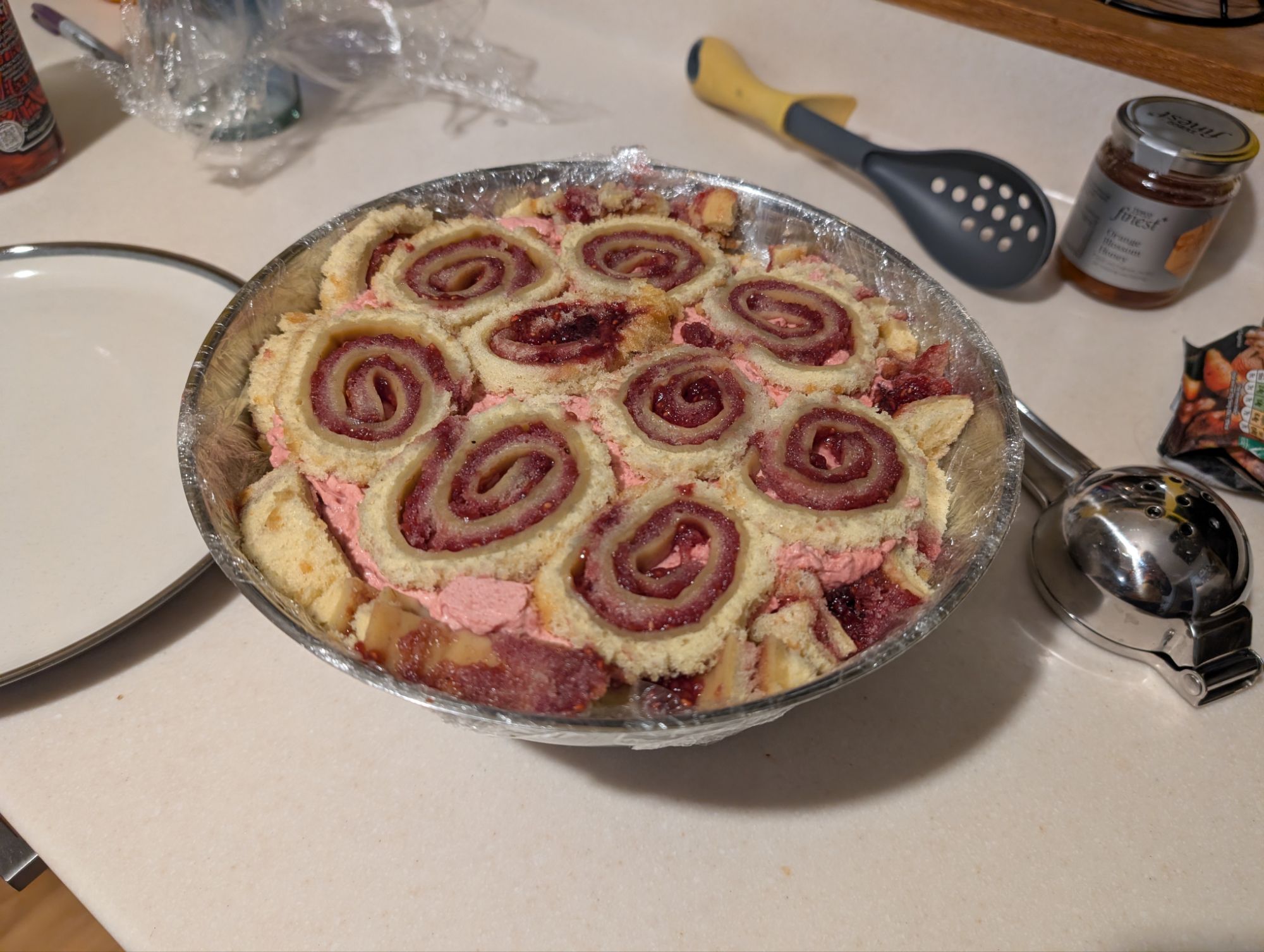
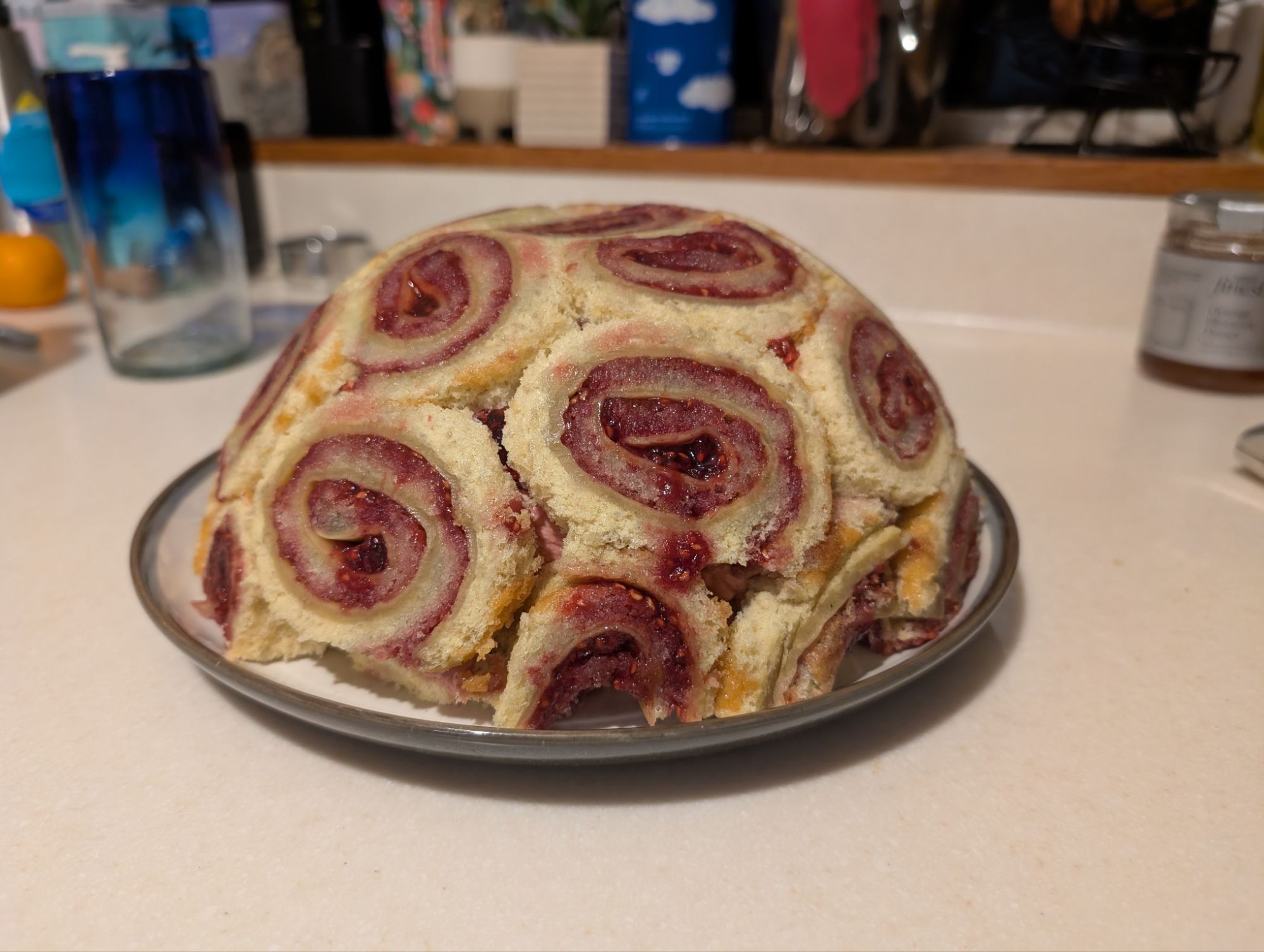
Part of the problem is that I didn’t glaze the finished product (the original used an arrowroot and sugar syrup), but the real issue was the texture of the swiss roll. Far too tough. The filling was delicious though, and we still managed to finish it after several days of concerted effort.
That was a lot of food. For now I will leave you with a St-Germain margarita, a delicious way to celebrate. Happy New Year, and stay tuned for some of the games I’ve been playing over Christmas.



Leave a Reply