Cocktail history and etymology. What’s not to like?
RE9 Update
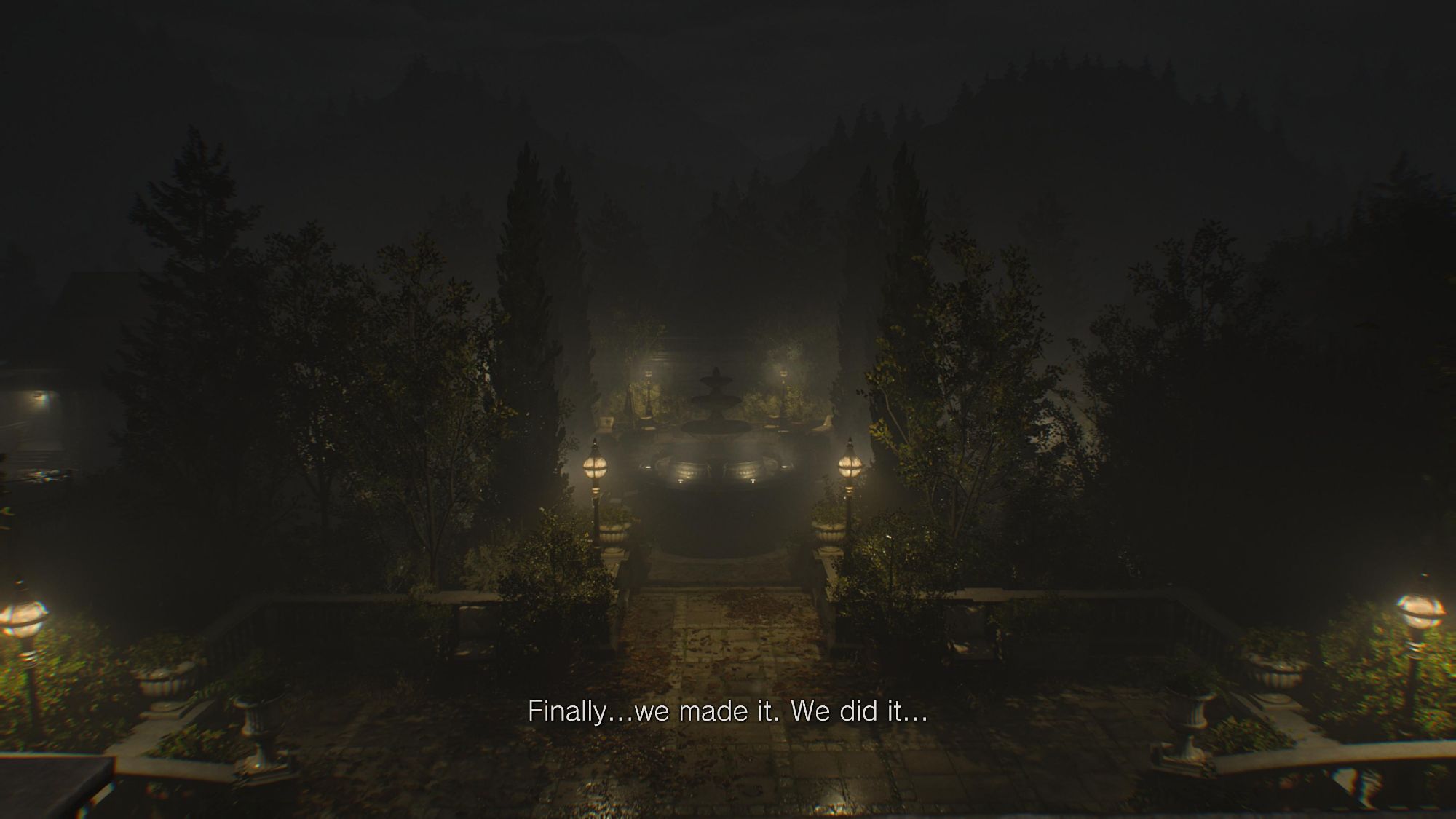
After a terrifying start, we’re in the midst of a Leon-centric segment in Resident Evil Requiem. It’s a great game and not one we want to rush to completion. We’ve also had a smattering of Cyberpunk 2077: Phantom Liberty which has been a lot of fun. But why dwell on games when there are important cocktails to discuss…
Cocktails
The sun couldn’t last forever, but the rain hasn’t dampened our enthusiasm. The latest cocktail experiment is a St. Stephen’s Sour, in an attempt to find something using orgeat syrup and the other ingredients in our cabinet. It seems as though every recipe I come across is “2 parts x + 1 part y + 1/2 part z“, and invariably z is an ingredient which I don’t have and is difficult to obtain locally. Plymouth isn’t filled with specialty liquor shops so it does limit spontaneity when you have to order off a specialist online retailer.
St. Stephen’s Sour
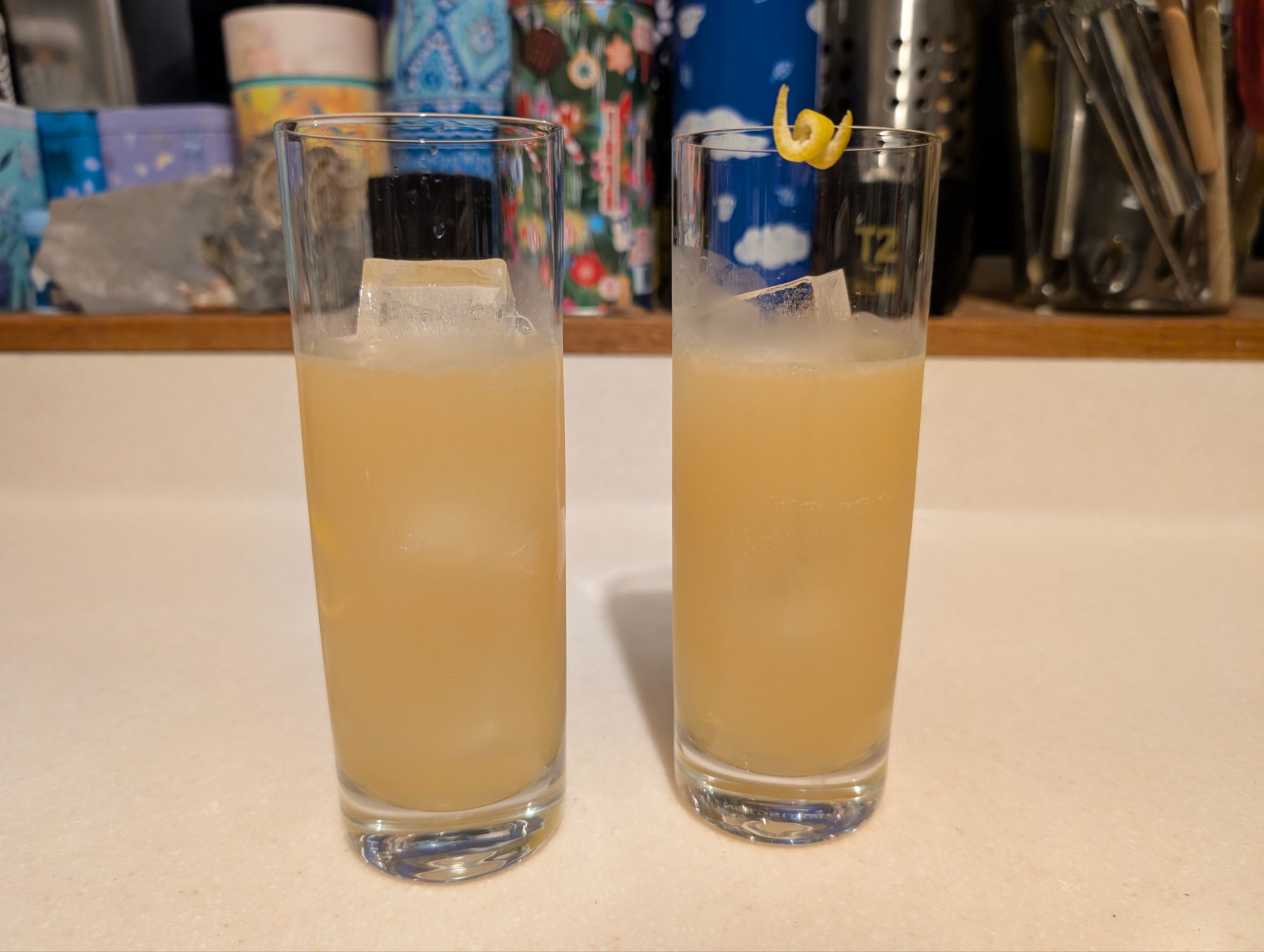
The St. Stephen’s Sour, recipe from Difford’s Guide, uses 1 part cognac, 1 part rum, 3/4 part lemon juice, and 1/2 part orgeat syrup, shaken and strained into a glass with ice and a lemon twist. There’s more than a touch of amaretto sour here, although without the same degree of sweetness and a little more complexity. It’s one of the better drinks I’ve tried recently.
I enjoy immersing myself (pun intended) in the world around cocktails, and the history behind each drink. Some stretch back centuries (punch, for example) and others have appeared this century. This drink is adapted from a 2014 recipe by Jeffrey Morgenthaler, working in Clyde Common in Portland, Oregon, USA.
There are only so many basic formulas in cocktail making. This is fundamentally a sour build, combining a base spirit with citrus and a sugar syrup. In this case the citrus is lemon juice, and the sweetener is orgeat syrup which is made from almonds, sugar, and orange flower water. It is a common component in many tiki cocktails and best prepared fresh, but there are only so many hours in the day and premade bottles are readily available online.
Brunch
Although we may think of brunch as a thoroughly modern phenomenon, a line from the Independent would disagree, with a reference to the term in 1895. According to that source, this was Oxford University slang (interestingly, tea-dinner at the Union Club was a “smug”). Leave it to students to come up with one of the most catchy portmanteaus, likely enjoyed with a hangover when one couldn’t make it in time for breakfast.
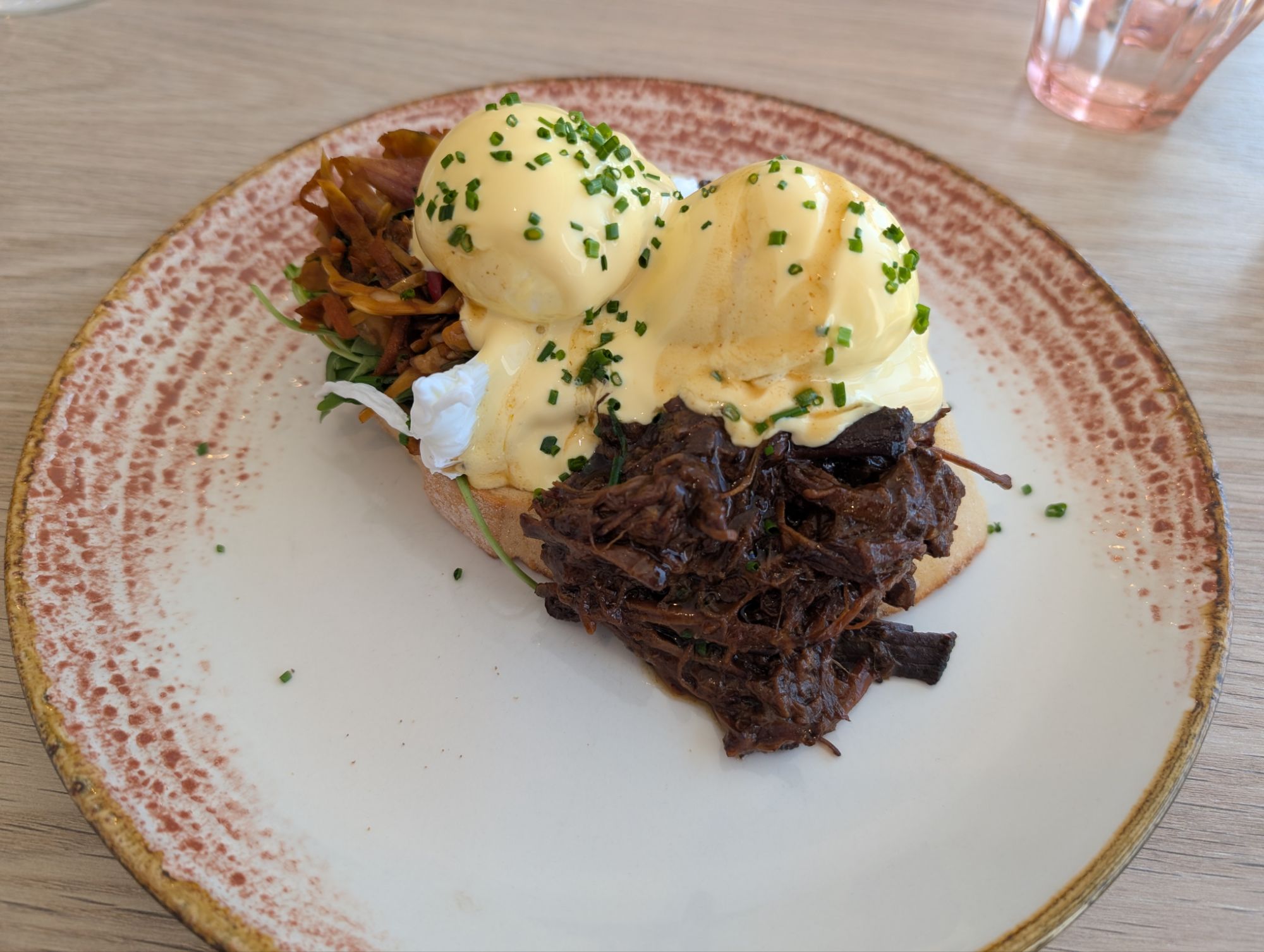
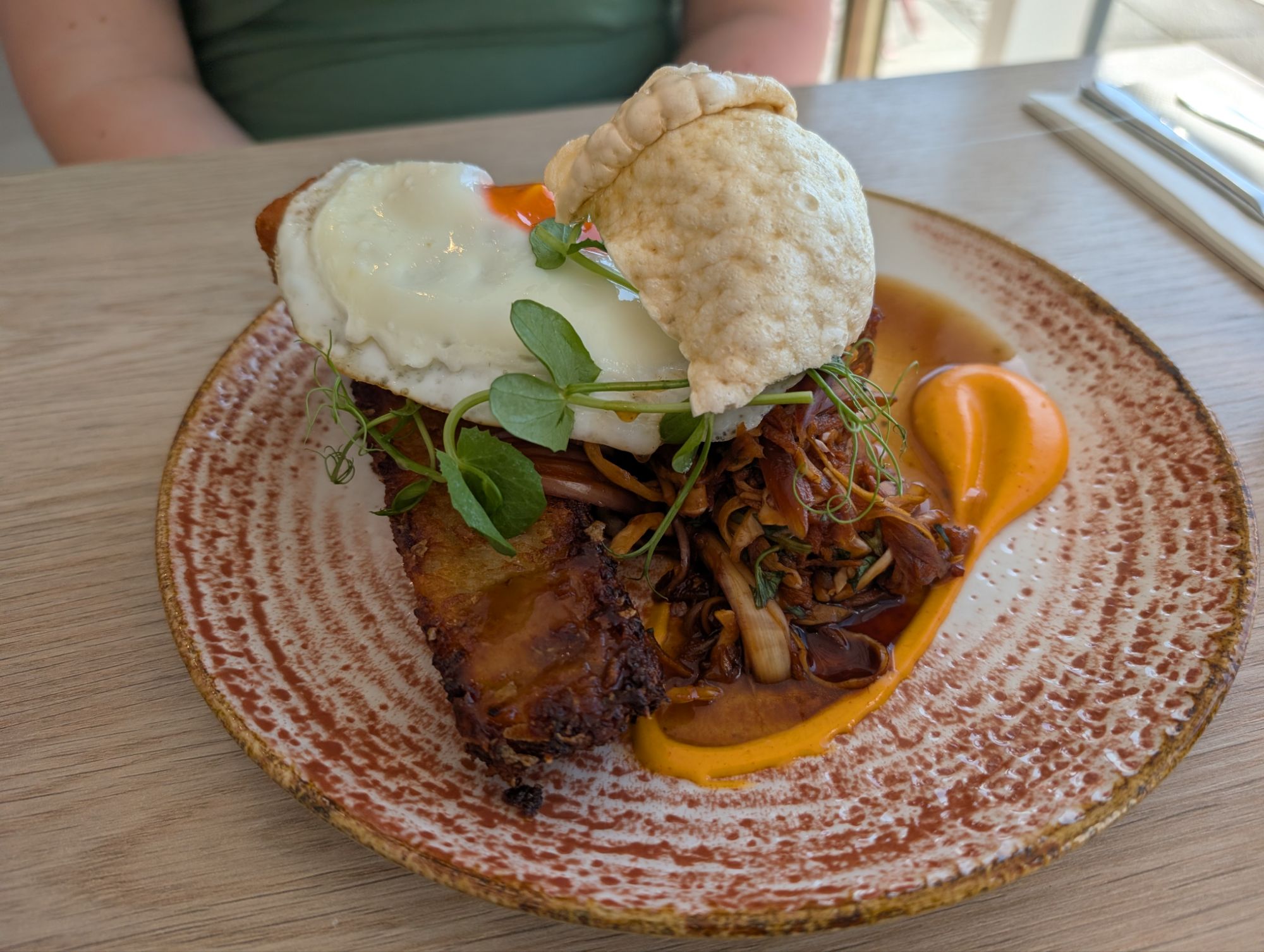
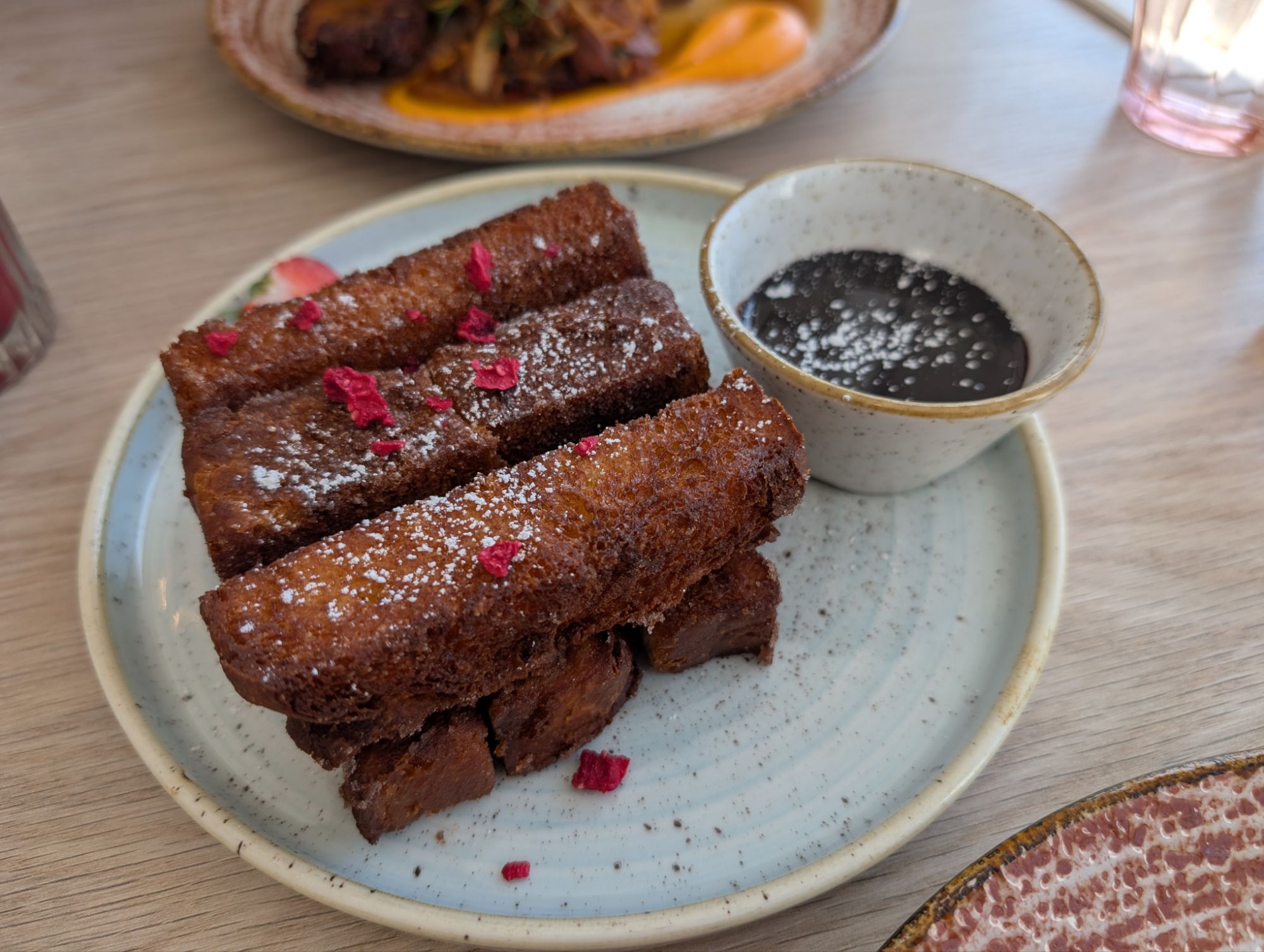
Etymology aside, brunch is everywhere these days. Our research into the subject included two visits over the course of a week, and was as close to death by food as I have come in some time. First up was Signature Strawberries in Sutton Harbour. A business that started as a supplier of chocolate-dipped strawberries has expanded into a thriving café/brunch spot. We tried the beef brisket eggs benedict, the pork belly, and french toast fingers. The food was excellent, although we did overdo it. The richness was a tad much, so next time we will order a little less.
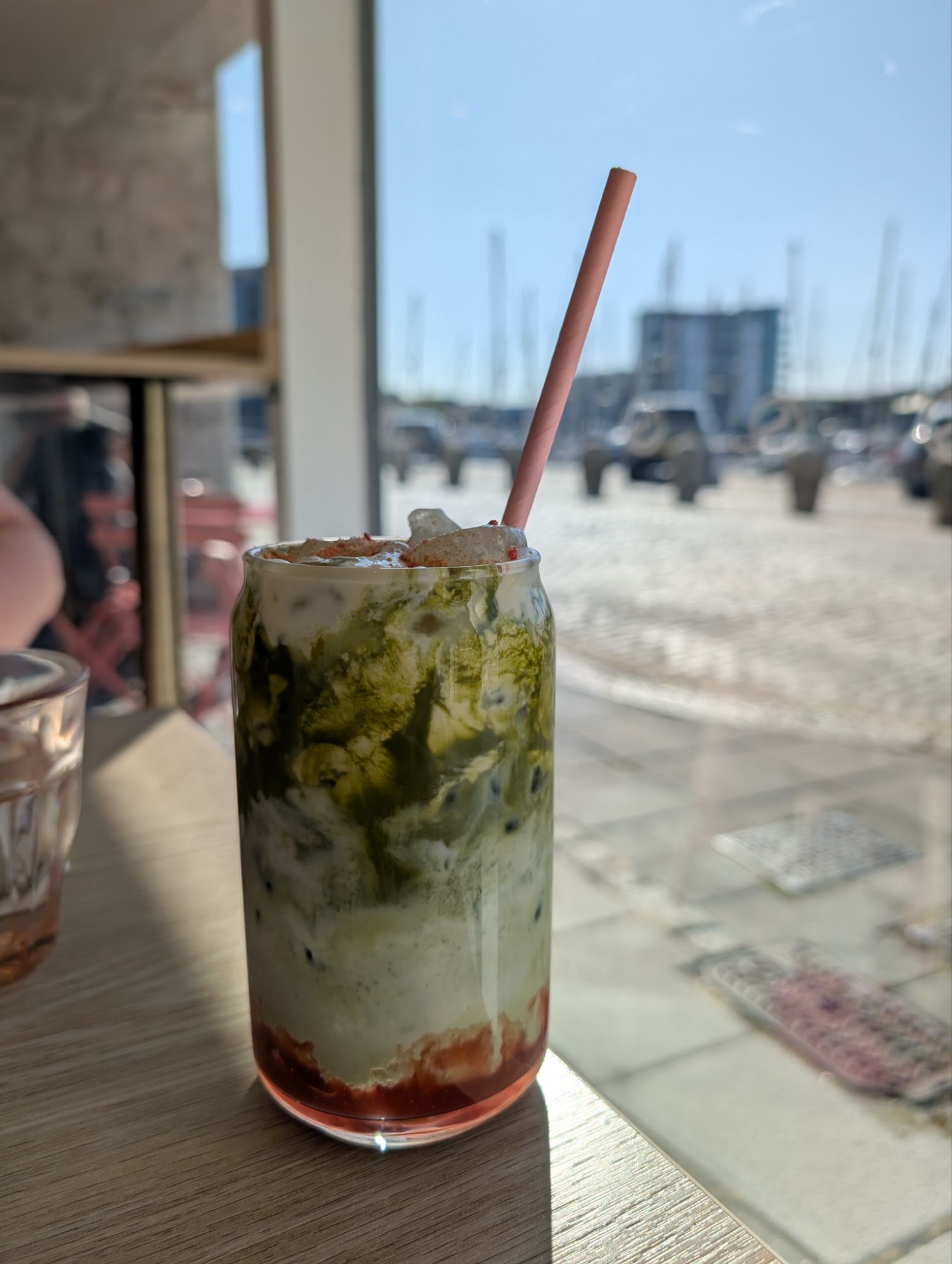
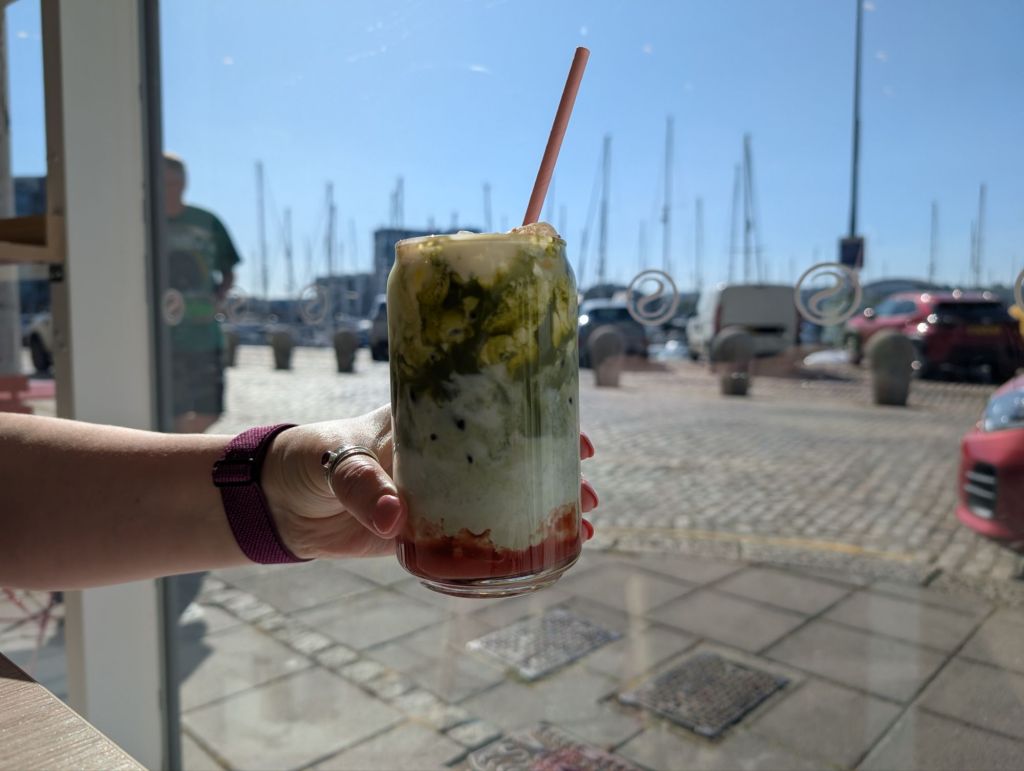
The rhubarb and custard matcha latte was great, too. I remember seeing similar drinks in Seoul years ago. Matcha has become hugely popular, although I have a soft spot for a plain cup with wagashi (Japanese sweets) served in a teahouse. It’s an experience that is hard to replicate outside of Japan.
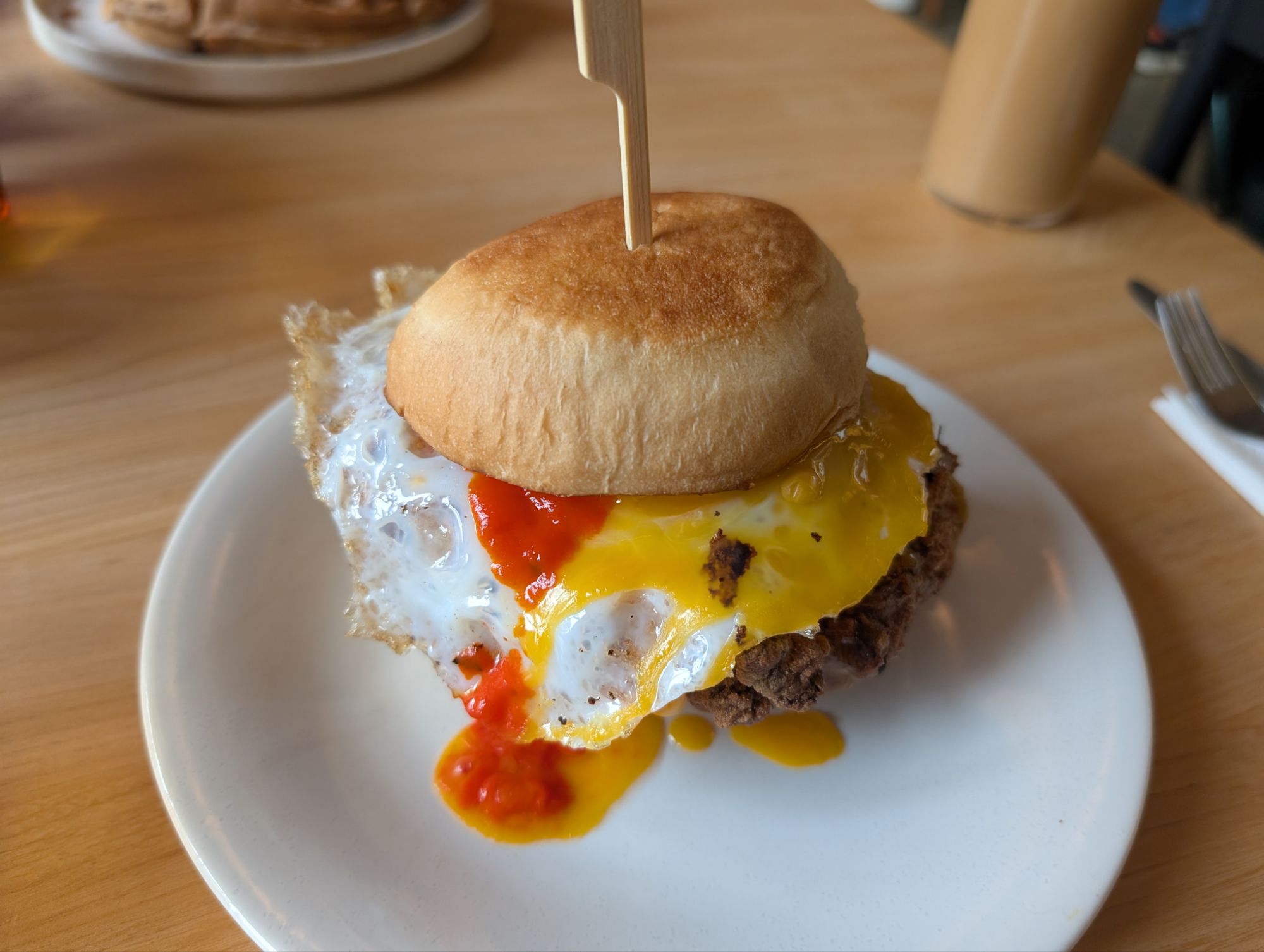
Next up was SATO by Minerva Café in Alma Yard. No, it wasn’t the same day. I might’ve actually died in that case. Tucked away in Alma Yard round the corner from the Barbican Leisure Park (Vue Cinema), SATO is another great café with specialty coffee, smoothies, brunch, and cocktails. Pictured here are the fried chicken and egg muffin, espresso smoothie (with banana and peanut butter), and fried chicken and waffles with maple butter. Again, delicious food but the richness was overwhelming. The chicken and waffles in particular needed something to cut through the fat. The chicken was beautifully cooked and flavourful, but it felt like it would be best paired with a cocktail or glass of white wine which felt hard to justify at 10.45. The muffin was a more manageable size and had fermented chilli sauce to balance things out.
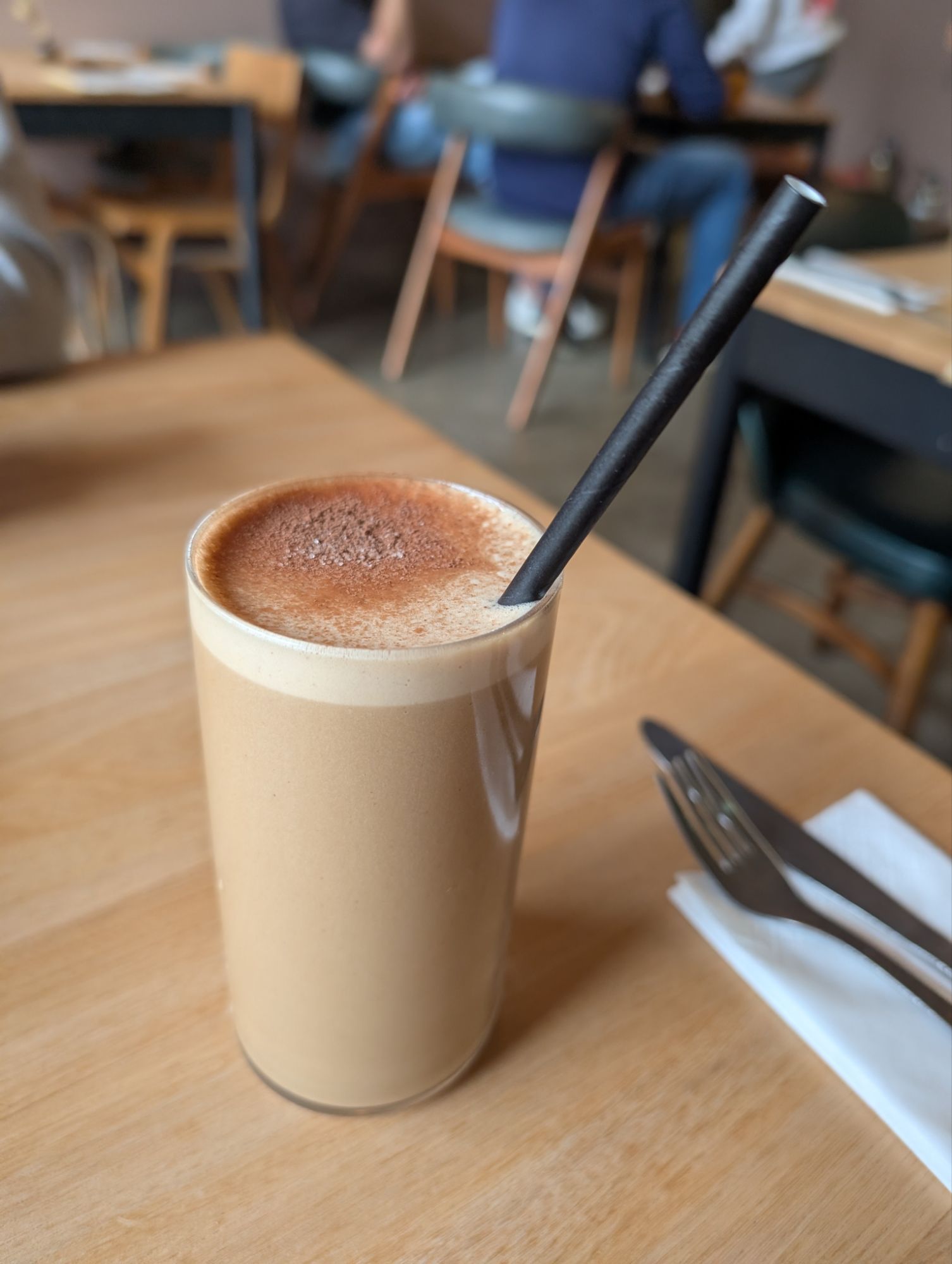
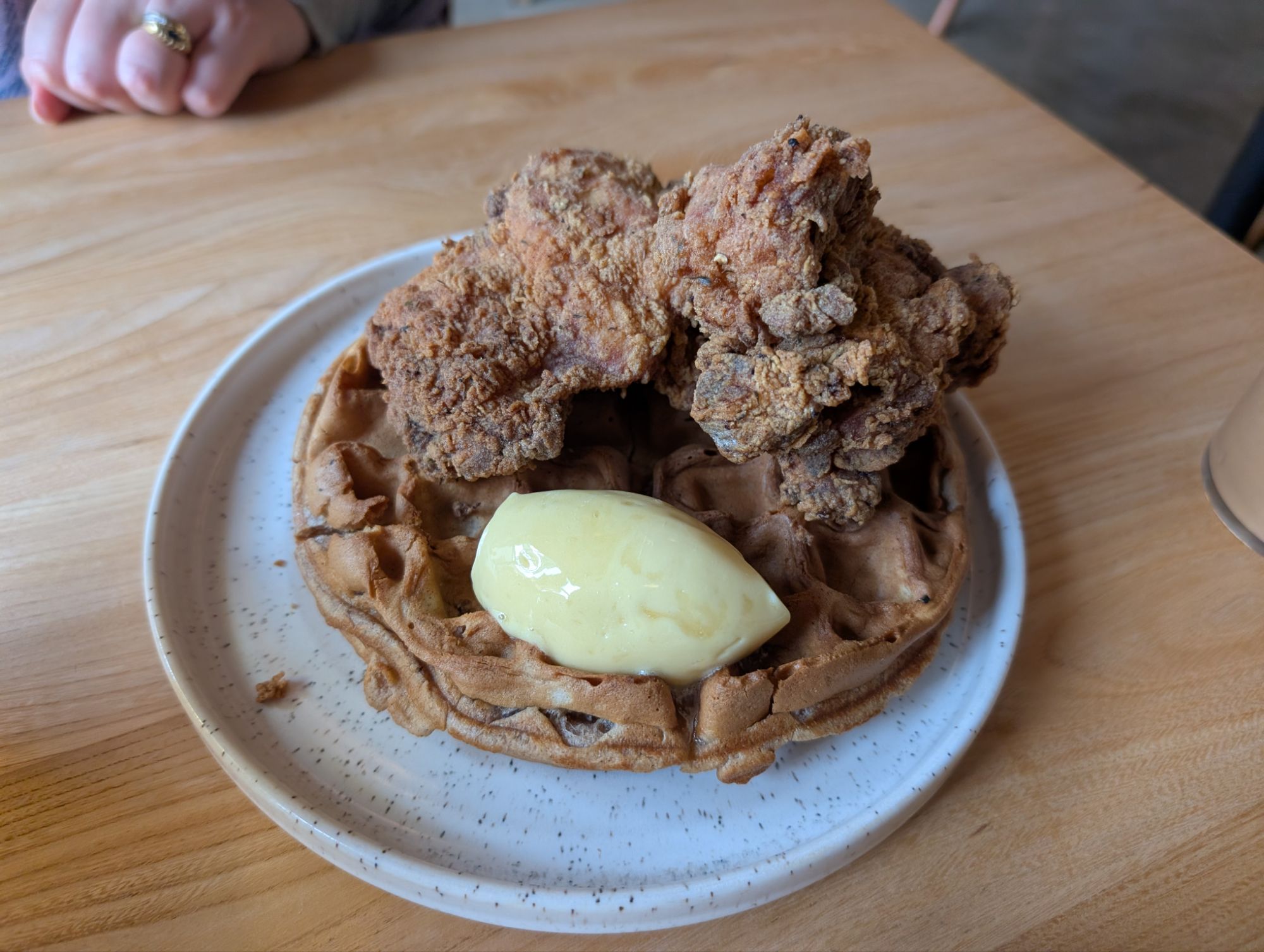
So in summary, I like brunch. I’m not sure if it likes me. While generous, the quantities of rich food are hard to stomach if you plan to do anything for the rest of the day. I suspect it’s an easier sell as part of a bottomless brunch, soaking up plenty of alcohol.
The Ori-Jan
If you are aware of Plymouth at all, you will probably have heard of “Janners”. This is the definitive term for Plymouthians.
Wikipedia, the now indisputed source of truth online thanks to the proliferation of AI slop, has a whole article on the subject. Cyril Tawney, author of Grey Funnel Lines, described the derivation of the word being Cousin Jan (a Devon pronunciation of John). My attempts to delve further into the origin of the term were almost thwarted by the Oxford English Dictionary paywall. None of my institutional subscriptions cover it.

Luckily for the readers of ODG, there is no price too high when in the pursuit of knowledge. Well, I did consider giving up at that point, but £10 later we’ve got a month of access to the OED.
The earliest written mention of “janner” is in 1964 in John Hale’s The Grudge Fight:
“All those years ago he had joined as a Plymouth rating and he wanted to go back there—down among the janners and the tiddy oggies and the strawberries and cream.”
It has had evolved some derogatory connotations over time, but I think the inhabitants of Plymouth should be proud to be Janners and count it as part of the identity of this corner of the world. It’s a great place to live and work, although it is a little out of the way (but not as out of the way as Falmouth).


Leave a Reply